




Remote CCTV Monitoring Providers: Finding Services with Human-Verified Alerts
Your motion alert system sends 47 notifications before noon. Delivery trucks trigger alerts. Passing cars trigger alerts. Tree shadows moving in the wind trigger alerts. Birds landing on camera housings trigger alerts. By 2 AM when actual intruders appear at your loading dock, you’ve trained yourself to dismiss every notification as just another false alarm.
This alert fatigue costs businesses thousands in preventable losses annually. Automated CCTV monitoring systems create noise, not security. False alarms train property owners and police departments to ignore genuine threats. “Monitored” systems often mean recorded—cameras capturing high-definition footage of crimes after they’ve occurred, perfect evidence for insurance claims but worthless for prevention.
Decision-makers seeking remote CCTV monitoring need providers deploying actual human operators who watch cameras, verify threats, and intervene before losses occur. The challenge lies in distinguishing legitimate human-based monitoring from automated systems disguised with “professional monitoring” marketing labels. Before selecting a provider, understanding what CCTV monitoring actually involves helps clarify the distinction between passive recording and active surveillance.
Understanding which providers employ genuine human verification versus automated-only systems requires examining monitoring methodologies, operator roles, and verification protocols that separate authentic human-based surveillance from marketing claims.
The Critical Difference Between Automated Alerts and Human Verification
How Automated-Only Systems Work
Automated monitoring systems rely on motion detection algorithms and event-based triggers. Cameras identify movement within designated zones and generate alerts pushed to property owners via mobile applications, email, or SMS notifications. These systems operate without human review before alert dispatch, meaning every detected motion—legitimate or false—produces a notification.
The false positive rate for purely automated systems ranges between 60-90% depending on environmental conditions, camera placement, and detection sensitivity settings. Weather events, animals, vehicle headlights, and normal property activity all trigger alerts indistinguishable from genuine security threats. Property owners quickly develop alert fatigue, dismissing notifications without proper investigation because the overwhelming majority prove irrelevant.
Human-Based Remote CCTV Monitoring Methodology
Human-based monitoring employs trained operators who actively watch live camera feeds or review triggered events before generating alerts. When motion detection or video analytics identify potential threats, operators assess the situation using multiple camera angles, contextual information about normal property activity, and time-based expectations for legitimate access.
Operators evaluate whether detected movement represents authorized personnel, scheduled deliveries, maintenance activities, or genuine security threats. This assessment occurs before any notification reaches property owners or emergency services. Verification protocols typically include reviewing multiple camera angles, checking activity against known schedules, and using two-way audio systems to challenge individuals on property.
As security professionals emphasize the importance of proper monitoring protocols, the distinction between watching and recording determines whether systems prevent losses or merely document them. Operators maintaining visual awareness of client properties recognize unusual patterns before traditional alarm sensors trigger, identifying threats during reconnaissance phases when criminals assess security vulnerabilities before attempting crimes.
Hybrid Monitoring Models
Sophisticated monitoring services employ hybrid models combining automated detection with human verification. Video analytics and artificial intelligence pre-filter events, identifying potentially significant activity for operator review while dismissing obvious false triggers like weather effects or small animals. This approach reduces operator workload by 70-80% while maintaining human judgment for final threat assessment.
The most effective approach involves professional monitoring operators who combine technology with human intelligence to deliver accurate threat assessment. Operators receive alerts only for events meeting specific criteria established through video analytics, allowing them to focus attention on genuine potential threats rather than reviewing hundreds of irrelevant notifications daily.
Statistical analysis demonstrates dramatic differences in performance between automated-only and human-verified monitoring. Automated systems generate false alarm rates between 60-90%, while human-verified services reduce false positives to under 5%. Police response times improve significantly for properties with verified alarm histories, as law enforcement prioritizes calls from monitoring centers with proven accuracy over properties generating frequent false alarms.
Categories of Remote CCTV Monitoring Services with Human Elements
Continuous Live CCTV Monitoring
Premium monitoring services provide continuous operator attention where trained personnel actively watch live camera feeds throughout all operational hours. Operators monitor multiple properties simultaneously, typically maintaining responsibility for 8-16 locations depending on camera quantities and property complexity. This proactive observation identifies suspicious activity before triggering traditional alarm sensors.
Continuous monitoring enables operators to observe behavioral patterns indicating criminal intent—individuals testing door handles, examining camera placements, or conducting reconnaissance of property vulnerabilities. Operators intervene immediately through two-way audio systems, issue verbal warnings to intruders, and coordinate emergency service response with detailed threat descriptions. This service tier commands premium pricing but delivers the highest prevention effectiveness for high-risk properties facing significant loss exposure.
Event-Based Human Verification
Standard monitoring services employ event-based verification where automated systems flag potential threats for immediate human review. Video analytics, motion detection, or alarm system integration triggers operator attention within 30-60 seconds of event occurrence. Operators assess flagged events using live camera feeds, verify whether genuine threats exist, and escalate verified incidents to clients and emergency services.

This model balances cost-effectiveness with accuracy, reducing false alarms while maintaining rapid response capabilities. When comparing service levels and pricing across monitoring providers, the operator response time and attention ratio significantly impact false alarm rates. Event-based verification reduces monitoring costs compared to continuous watching while still providing human intelligence for final threat assessment.
24/7 Live CCTV Monitoring Services with On-Demand Review
Budget-conscious monitoring options provide recording with motion detection and human operators available for triggered review when alarm systems activate or specific events occur. These services maintain operator availability around the clock but don’t provide continuous camera observation. Instead, operators review recordings when motion alerts exceed predetermined thresholds or when integrated alarm systems indicate potential intrusions.
This approach offers limited proactive monitoring but ensures human verification before emergency service notification. Properties with lower risk profiles or budget constraints benefit from this service level, accepting reduced prevention capabilities in exchange for lower monthly costs. However, the reactive nature means operators cannot intervene during reconnaissance phases before criminals attempt entry.
Scheduled Human Patrol Monitoring
Some providers offer scheduled virtual patrols where operators check camera feeds at predetermined intervals throughout the day. Virtual patrols might occur hourly during business hours and every 30 minutes overnight, with operators reviewing all cameras systematically looking for anomalies or security concerns. This scheduled approach provides human oversight without continuous observation costs.
Scheduled monitoring works effectively for properties with predictable activity patterns where operators can quickly identify deviations from normal operations. Construction sites, warehouses with consistent schedules, and retail stores benefit from virtual patrols that verify proper closing procedures and detect unauthorized after-hours access. However, the interval-based approach means suspicious activity occurring between patrol checks may go unnoticed until the next scheduled review.
Critical Qualities of Professional CCTV Monitoring Operators
Training and Certification Requirements
Professional operators complete extensive training covering threat recognition, verification procedures, emergency response coordination, and industry-specific security challenges. Effective operators complete comprehensive training programs for security monitoring personnel that address threat recognition, verification procedures, and emergency response coordination. Industry-recognized certifications demonstrate operators have passed background checks, completed approved training curricula, and maintain good standing with regulatory bodies.
Training programs typically span 40-80 hours of initial instruction followed by ongoing continuing education requirements. Operators learn to distinguish normal property activity from suspicious behaviors, recognize criminal reconnaissance patterns, operate monitoring technology including PTZ camera controls and video analytics systems, and follow proper escalation procedures when threats appear. Specialized training addresses industry-specific threats relevant to retail loss prevention, construction site security, healthcare facility monitoring, or residential property surveillance.
Background check standards for professional operators include criminal history verification, employment history confirmation, and reference checks from previous security industry positions. Monitoring centers maintaining rigorous hiring standards ensure operators possess the judgment, communication skills, and reliability required for security monitoring responsibilities. Property owners have legitimate interests in verifying operator credentials and certification status before entrusting property protection to monitoring services.
Pattern Recognition and Context Assessment
Effective operators develop sophisticated pattern recognition skills enabling them to distinguish normal property activity from suspicious behaviors requiring intervention. Understanding baseline activity patterns for monitored properties allows operators to quickly identify anomalies warranting closer attention. Operators familiar with client properties recognize when vehicles park in unusual locations, when individuals linger near restricted areas, or when activity occurs outside normal operational hours.
Context assessment capabilities determine operator effectiveness. Experienced operators evaluate time of day, weather conditions, scheduled activities, and historical patterns before determining whether observed activity represents threats. Delivery trucks arriving at loading docks during business hours receive different assessment than unmarked vehicles backing up to the same location at 2 AM. Operators maintaining awareness of scheduled maintenance, after-hours work authorizations, and expected deliveries avoid false alarms while remaining vigilant for genuine threats.
Industry-specific threat recognition improves monitoring quality. Retail-trained operators recognize shoplifting behaviors including concealment techniques, distraction methods, and organized retail crime patterns. Construction site specialists identify equipment theft preparation activities and distinguish contractor vehicles from unauthorized access. Healthcare facility operators understand regulatory compliance requirements and recognize patient safety concerns requiring immediate intervention.
Communication and Intervention Skills
Operator communication skills directly impact monitoring effectiveness. Clear, professional communication with property owners during incidents ensures appropriate response coordination. Operators must articulate threat descriptions concisely, provide accurate location information, and recommend appropriate actions without creating unnecessary alarm. Two-way audio challenge procedures require operators to issue authoritative verbal warnings while maintaining professional demeanor even when confronting aggressive intruders.
De-escalation techniques prove valuable when operators encounter individuals who may have legitimate property access but cannot immediately verify authorization. Operators skilled in verbal de-escalation can resolve ambiguous situations through conversation, verifying identities and purposes without triggering unnecessary emergency responses. This communication competency reduces false alarms while maintaining security effectiveness.
Emergency services coordination represents critical operator responsibility. When threats require police response, operators provide dispatchers with detailed incident descriptions including number of intruders, physical descriptions, exact locations, potential weapons, and whether individuals remain on property. Operators trained in proper emergency coordination improve police response times and ensure responders arrive prepared for situation specifics. Monitoring centers with established law enforcement relationships and proven accuracy records receive priority response over properties generating frequent false alarms.
Technology Proficiency
Modern monitoring operators must demonstrate proficiency across multiple technology platforms. Multi-camera monitoring workstations display feeds from dozens of properties simultaneously, requiring operators to maintain situational awareness across all assigned locations. Operators control PTZ cameras remotely, directing cameras toward detected threats and capturing clear images for evidence and identification purposes.
Video analytics interpretation skills enable operators to understand and respond to automated alerts generated by intelligent detection systems. Operators must recognize when analytics correctly identify genuine threats versus when environmental factors or system limitations generate false triggers. This technology proficiency allows operators to leverage automation assistance without becoming dependent on imperfect algorithms.
Alarm system integration management requires operators to coordinate between video surveillance and traditional security systems including door contacts, motion sensors, and glass break detectors. When alarm systems trigger, operators immediately access relevant cameras to verify threat presence and assess appropriate responses. Integration capabilities between monitoring platforms and client alarm systems improve overall security effectiveness while reducing false alarm rates.
Documentation and evidence capture responsibilities require operators to record all security incidents comprehensively. Operators capture still images and video clips of intruders, document timeline information including event start times and response actions taken, and prepare incident reports for client review and potential law enforcement prosecution. Professional documentation standards ensure evidence quality sufficient for criminal proceedings and insurance claims.
How Human Operators Verify Threats Before Alerting
Multi-Step Verification Process
Professional monitoring services implement comprehensive verification protocols ensuring accuracy before escalating incidents to clients or emergency services. Today’s modern CCTV control room operations demonstrate advanced verification procedures that combine technology infrastructure with trained personnel to minimize false positives. Verification processes typically follow structured steps:
First, automated event triggers or operator observation initiates review processes. Motion detection, video analytics alerts, or alarm system integration signals potential security concerns requiring operator attention. Operators acknowledge alerts within predetermined timeframes, typically 10-30 seconds for premium services and 30-60 seconds for standard monitoring.
Second, operators review live camera feeds from multiple angles covering the area where activity occurred. Single-camera assessment often proves insufficient for accurate threat determination. Operators access multiple cameras providing different perspectives of the same location, enabling them to verify whether detected movement represents genuine threats or false triggers from environmental factors.
Third, operators conduct context assessment considering time of day, property activity schedules, historical patterns, and environmental conditions. Activity matching expected patterns receives different evaluation than unexpected behaviors. Operators reference property-specific instructions documenting normal operations, authorized personnel, scheduled deliveries, and maintenance activities. This contextual knowledge dramatically improves verification accuracy compared to operators unfamiliar with monitored properties.
Fourth, operators equipped with two-way audio systems challenge individuals observed on property. Audio challenges enable operators to verify identities, determine purposes for presence, and issue warnings to unauthorized individuals. Many opportunistic criminals immediately flee when challenged verbally, believing properties were unmonitored. Audio verification resolves ambiguous situations without triggering emergency responses for legitimate visitors unable to provide advance notification.
Fifth, operators make final verification decisions and execute appropriate escalation procedures. Verified threats trigger immediate client notification and emergency service coordination. Unverified events generate documentation without external escalation, maintaining incident records while avoiding false alarm consequences. Ambiguous situations receive escalation to designated client contacts for guidance before emergency service notification.
False Alarm Reduction Techniques
Professional operators employ multiple techniques reducing false alarm rates below 5% compared to 60-90% for automated-only systems. Cross-referencing multiple detection methods provides higher confidence in threat assessment. When video analytics, motion detection, and alarm systems simultaneously indicate threats, verification confidence increases compared to single-source alerts.
Weather condition consideration prevents false alarms from environmental factors. Operators recognize when high winds, heavy rain, snow, or fog affect camera visibility and motion detection sensitivity. During severe weather, operators adjust assessment criteria and may increase verification requirements before escalating alerts. Understanding weather impact on detection systems dramatically reduces false alarms operators might otherwise generate.
Scheduled activity awareness eliminates false alarms from legitimate operations. Operators maintain calendars documenting expected deliveries, maintenance activities, after-hours work authorizations, and special events. When scheduled activity occurs as expected, operators verify completion and security without generating client alerts. This coordination between clients and monitoring centers ensures operators possess information necessary for accurate assessment.
Animal versus human movement discrimination improves through operator experience and video analytics assistance. Operators distinguish dogs, cats, deer, and other wildlife from human intruders using size assessment, movement patterns, and thermal imaging when available. Properties in rural or suburban locations with significant wildlife activity benefit enormously from human operators capable of dismissing animal-triggered alerts that automated systems cannot differentiate.
Vehicle identification and authorization checks reduce false alarms from legitimate visitors. Operators recognize authorized vehicles through license plate information, vehicle descriptions, or prior observation. Regular visitors including suppliers, contractors, and employees become familiar to operators monitoring properties continuously, enabling quick verification of authorized access without client contact.
Escalation Procedures for Verified Threats
When operators verify genuine security threats, structured escalation procedures ensure rapid and appropriate response. Immediate client notification protocols begin with designated primary contacts receiving phone calls, SMS alerts, and mobile application notifications simultaneously. Operators provide concise incident descriptions including threat nature, exact location, number of individuals, and actions already taken including audio challenges or police notification.
Police and security dispatch occurs concurrent with client notification for verified intrusions or violent crimes in progress. Operators provide emergency dispatchers with comprehensive incident information enabling appropriate response. Monitoring centers with established law enforcement relationships and verified alarm system registrations receive priority response compared to properties lacking monitoring verification or generating excessive false alarms.
Continuous monitoring during emergency response ensures operators maintain situational awareness while police or security personnel respond. Operators track intruder movements through property using multiple cameras, update responding officers about changing situations, and document entire incident timelines. Real-time information about suspect locations, vehicle descriptions, and escape routes dramatically improves law enforcement effectiveness and suspect apprehension rates.
Documentation for evidence and reporting begins during incidents and continues through comprehensive post-incident reporting. Operators capture high-quality still images and video clips of intruders, record exact timestamps for all significant events, document all actions taken including audio challenges and notifications made, and prepare detailed incident reports. Professional documentation supports criminal prosecutions, insurance claims, and client security improvement recommendations.
Follow-up communication procedures ensure clients receive complete incident information. Operators contact clients after incidents conclude to confirm property security, answer questions about incident handling, and provide access to recorded evidence. This communication loop demonstrates monitoring center accountability and provides clients with transparency about service quality during actual security events.
Categories of Remote CCTV Monitoring Companies with Human Operators
National Security Companies
Large national security corporations operate extensive monitoring infrastructure serving enterprise clients across multiple regions. These organizations typically employ hundreds or thousands of operators working from multiple monitoring centers providing geographic redundancy and operational resilience. National providers offer advantages including established brand recognition, financial stability ensuring long-term service continuity, and standardized operating procedures proven across thousands of client properties.
When evaluating surveillance providers across different market segments, understanding provider category strengths helps match services to specific property requirements. Monitoring centers operated by national companies feature redundant systems, backup facilities activated during emergencies, disaster recovery capabilities, and compliance with industry security standards. Technology investments by national corporations often exceed capabilities smaller regional providers can afford, including advanced video analytics platforms, sophisticated operator workstation configurations, and integrated reporting systems.
However, national providers typically impose minimum contract requirements, monthly monitoring fees, and camera quantities making them impractical for small to medium businesses. Enterprise service models prioritize high-value accounts generating substantial monthly revenue. Small businesses may find themselves receiving secondary attention despite paying premium pricing. Standardized procedures characteristic of large organizations sometimes lack flexibility for unique client requirements or industry-specific needs.
Regional CCTV Monitoring Specialists
Regional monitoring companies focus on specific geographic areas, typically operating one to three monitoring centers serving local and regional clients within defined territories. Regional specialists understand local crime patterns, maintain relationships with area law enforcement agencies, and often integrate monitoring with mobile patrol services and alarm response capabilities unavailable from distant national providers.
Flexibility represents the primary advantage regional specialists offer. Decision-makers remain accessible, enabling direct communication about service modifications, special requirements, or performance concerns. Contract terms often prove more negotiable compared to standardized national provider agreements. Regional companies demonstrate greater willingness to accommodate unique client needs including customized monitoring protocols, specialized operator training, or integration with existing security infrastructure.
Operators employed by regional specialists frequently develop familiarity with client properties exceeding knowledge national operator pools maintain. Operators monitoring fewer properties in concentrated geographic areas recognize property-specific patterns, remember authorized personnel, and understand unique operational characteristics improving threat assessment accuracy. This property familiarity reduces false alarms while improving genuine threat detection.
Limitations include smaller operational scales potentially affecting redundancy capabilities compared to national corporations. Geographic coverage constraints make regional providers unsuitable for businesses operating across multiple regions requiring consistent monitoring services. Service quality depends heavily on local management competency, creating more variation between regional providers compared to standardized national corporations.
Industry-Specific Monitoring Providers
Specialized monitoring companies focus on particular business sectors including retail loss prevention, construction site security, healthcare facility monitoring, or warehouse logistics security. Industry specialists develop deep expertise in sector-specific security challenges, threat patterns, regulatory compliance requirements, and operational considerations affecting monitoring effectiveness.
Operators employed by industry specialists receive training addressing threats unique to focus sectors. Retail monitoring specialists recognize shoplifting techniques, organized retail crime patterns, employee theft indicators, and point-of-sale fraud methods. Construction site operators understand equipment theft preparation activities, distinguish contractor access from trespassing, and identify safety violations requiring immediate intervention. Healthcare specialists comprehend patient privacy requirements, medication storage security, and aggressive behavior warning signs.
Compliance knowledge proves particularly valuable in regulated industries. Healthcare monitoring operators understand requirements under patient privacy regulations, ensuring monitoring protocols respect confidentiality while maintaining security. Food processing and pharmaceutical manufacturing monitoring addresses industry-specific regulatory requirements operators without specialized training might overlook.
Industry-specific monitoring delivers superior results for businesses operating within specialist focus areas. However, companies with diverse operations spanning multiple industries may require coordination across different specialist providers or accept compromised service from generalists attempting to serve all sectors adequately. Specialist providers typically charge premium pricing reflecting focused expertise and customized training investments.
Technology Companies with Operator Services
Newer market entrants emphasize advanced technology platforms, cloud-based monitoring solutions, and artificial intelligence capabilities. Technology-focused providers target businesses prioritizing innovation, digital integration, and modern user interfaces over traditional security company approaches. These companies often originate from software and technology sectors rather than traditional security industry backgrounds.
Cloud-based platforms offer superior mobile applications, real-time video access from any location, self-service management portals, and integration capabilities with smart building systems and enterprise software. Modern interfaces appeal to businesses comfortable with digital tools seeking competitive technology advantages. Automated reporting, analytics dashboards, and API integrations enable seamless incorporation into broader business intelligence platforms.
Trade-offs include less mature operational procedures compared to established security companies with decades of operational refinement. Smaller operator teams may affect response capacity during high-incident periods when multiple clients simultaneously require attention. Technology emphasis sometimes overshadows fundamental monitoring quality, with companies investing more in platform development than operator training and retention.
The newest companies lack long-term track records conservative businesses require for critical security infrastructure decisions. While innovative technology platforms provide legitimate advantages, businesses must assess whether operational capabilities match marketing promises. Financial stability questions affecting startup viability represent legitimate concerns for long-term security commitments.
Questions to Ask CCTV Monitoring Service Providers
Operator Staffing and Availability
Understanding operator staffing models directly impacts monitoring quality received. Property owners should ask providers: “How many properties does each operator monitor simultaneously?” Monitoring quality degrades as operator-to-property ratios increase. Premium services typically maintain ratios of 1 operator per 8-16 properties, while economy services may assign 30-50 properties per operator. Higher ratios reduce attention each property receives, increasing response times and decreasing proactive threat identification.
“Are operators on-site 24/7 or on-call?” Continuous on-site operator presence ensures immediate response capability, while on-call arrangements introduce delays while operators travel to monitoring centers or log into remote systems. Properties requiring genuine 24/7 protection need confirmation that operators physically staff monitoring centers around the clock rather than maintaining on-call availability.
“What’s your operator-to-camera ratio?” Some providers count properties while others count individual cameras when calculating operator workload. A single property with 32 cameras requires more operator attention than properties with 4-8 cameras. Clarifying whether workload calculations use properties or cameras reveals more accurate picture of attention your monitoring receives.
“How do you handle operator breaks and shift changes?” Monitoring gaps during breaks, shift changes, or overnight periods when fewer operators work create vulnerability windows. Professional services maintain shift overlaps ensuring seamless coverage transitions and backup operators covering breaks without creating monitoring gaps. Providers unable to articulate break coverage procedures likely experience regular monitoring interruptions.
“What happens if your monitoring center loses power or internet connectivity?” Redundant monitoring centers, backup power systems, and diverse internet connectivity ensure continuous operations during infrastructure failures. Providers should describe disaster recovery capabilities including secondary monitoring centers that assume responsibility when primary facilities experience problems. Single-location monitoring centers without redundancy create single points of failure risking complete service interruption.
Verification and Response Protocols
“Do operators actively watch cameras or only respond to motion alerts?” This question cuts directly to the distinction between genuine human monitoring and automated systems with human backup. Providers should explicitly confirm whether operators maintain visual awareness of assigned properties through periodic observation or whether monitoring remains entirely reactive to automated alerts. The answer reveals whether you’re purchasing proactive monitoring or glorified recording services.
“What’s your verification process before contacting police?” Multi-step verification procedures reduce false alarms while ensuring genuine threats receive rapid response. Providers should describe how operators confirm threats using multiple cameras, contextual assessment, and audio challenges before emergency service notification. Vague responses about “professional procedures” suggest inadequate verification protocols likely to generate false alarms.
“How long does verification take after an event triggers?” Response time commitments establish accountability and reveal operator attention capacity. Premium services guarantee 10-30 second acknowledgment with verification completion within 60-90 seconds. Standard services typically commit to 30-60 second acknowledgment with 2-3 minute verification windows. Response times exceeding these ranges indicate operator workload levels preventing effective monitoring.
“Can I review your false alarm statistics?” Transparent providers share false alarm rates demonstrating monitoring accuracy. Professional human-verified monitoring should maintain false alarm rates below 5-10% compared to 60-90% for automated-only systems. Providers refusing to disclose false alarm statistics likely generate unacceptable false positive rates they prefer not to reveal.
“What happens if operators cannot verify a potential threat?” Ambiguous situations require established protocols. Some providers escalate all uncertain events to clients for guidance, while others default to emergency service notification when verification remains incomplete. Understanding ambiguity handling procedures prevents surprises during actual incidents and ensures alignment with your risk tolerance and response preferences.
Training and Quality Standards
“What certifications do your operators hold?” Professional operators maintain industry-recognized security licenses demonstrating background checks, approved training completion, and regulatory compliance. Monitoring centers should describe certifications operators earn, training requirements for new hires, and continuing education maintaining operator competency. Companies employing unlicensed operators or unable to describe certification requirements demonstrate insufficient commitment to professional standards.
“How often do operators receive training?” Initial training provides foundation, but ongoing education maintains skills and addresses evolving threats. Professional monitoring centers conduct monthly or quarterly training sessions covering new technologies, emerging threat patterns, customer service skills, and regulatory updates. Annual-only training or vague responses about “as needed” education suggest inadequate operator development.
“Do you have industry-specific training programs?” Generic security training produces generic monitoring quality. Providers serving retail, construction, healthcare, or other specialized industries should describe customized training addressing sector-specific threats. Retail monitoring operators should receive shoplifting recognition training, construction specialists should understand equipment theft patterns, and healthcare operators should comprehend patient privacy requirements. Absence of industry-specific training indicates one-size-fits-all approaches unlikely to address your unique security challenges.
“Can I speak with the operators who will monitor my property?” Direct operator communication provides insight into professionalism, competency, and familiarity with your property. Providers confident in operator quality facilitate introductions and property familiarization meetings. Companies preventing direct operator access may conceal quality issues or employ offshore operators they prefer clients don’t discover.
“What’s your operator turnover rate?” High turnover creates inexperienced operator pools and prevents development of property familiarity improving monitoring quality. Professional monitoring centers maintain turnover below 20-30% annually through competitive compensation and positive work environments. Turnover exceeding 40-50% annually indicates problematic working conditions producing unstable operator teams.
Technology and Integration
“What camera brands and systems do you support?” Compatibility with existing cameras avoids expensive equipment replacement. Professional providers support major camera manufacturers including analog, IP, and hybrid systems. Providers claiming exclusive compatibility with specific brands may receive sales commissions for camera sales, creating conflicts of interest that increase your implementation costs unnecessarily.
“Do you provide two-way audio intervention?” Audio systems enable operators to challenge intruders, verify visitor identities, and provide assistance without physical presence. Two-way audio capability dramatically improves monitoring effectiveness by enabling operator intervention before intrusions progress. Monitoring services without audio integration limit operators to passive observation and post-incident notification.
“Can operators control PTZ cameras?” Pan-tilt-zoom camera control allows operators to direct cameras toward detected threats, follow intruder movements, and capture clear images for identification. Operator-controlled PTZ cameras provide significantly more effective monitoring than fixed-position cameras operators cannot adjust. Services unable to control PTZ cameras waste these advanced camera capabilities.
“What video analytics tools assist your operators?” Intelligent analytics including perimeter breach detection, loitering identification, object removal alerts, and license plate recognition help operators identify potential threats requiring attention. Analytics-assisted monitoring reduces operator workload while improving threat detection compared to monitoring relying exclusively on human observation.
“How do I access live feeds and recorded incidents?” Client portal access, mobile applications, and real-time notifications keep property owners informed without constant manual checking. Professional services provide intuitive interfaces for live viewing, incident playback, and report access. Limited client access or complicated systems suggest providers prioritizing their convenience over customer service.
Industry-Specific Applications of Human-Verified Monitoring
Retail CCTV Surveillance with Human Operators
Retail environments face unique security challenges requiring specialized monitoring approaches balancing theft prevention with customer experience considerations. Loss prevention monitoring focuses on identifying shoplifting behaviors, organized retail crime patterns, employee theft, point-of-sale fraud, and after-hours break-in attempts. Retail businesses benefit significantly from understanding how professional monitoring prevents retail theft through operator intervention before merchandise leaves premises.
Effective retail surveillance positions cameras capturing clear facial images at entrances, monitoring high-value merchandise areas, covering cash handling zones, and documenting stockroom access. Operators trained in retail security recognize concealment techniques including shopping bag manipulation, clothing layer exploitation, and distraction methods organized thieves employ. Suspicious behaviors distinguishing shoplifters from legitimate customers include repeated merchandise handling without purchases, excessive time in specific departments, coordination between multiple individuals, and surveillance awareness indicating criminal experience.
Point-of-sale monitoring detects employee theft including improper voids, unauthorized discounts, sweethearting (providing free merchandise to friends/family), and cash handling irregularities. Operators monitoring POS terminals cross-reference transaction activity with register cameras capturing cashier actions, identifying discrepancies between sales recorded and merchandise leaving stores. Employee theft prevention through monitoring often recovers more value than shoplifting prevention in retail environments where internal theft accounts for 30-40% of inventory shrinkage.
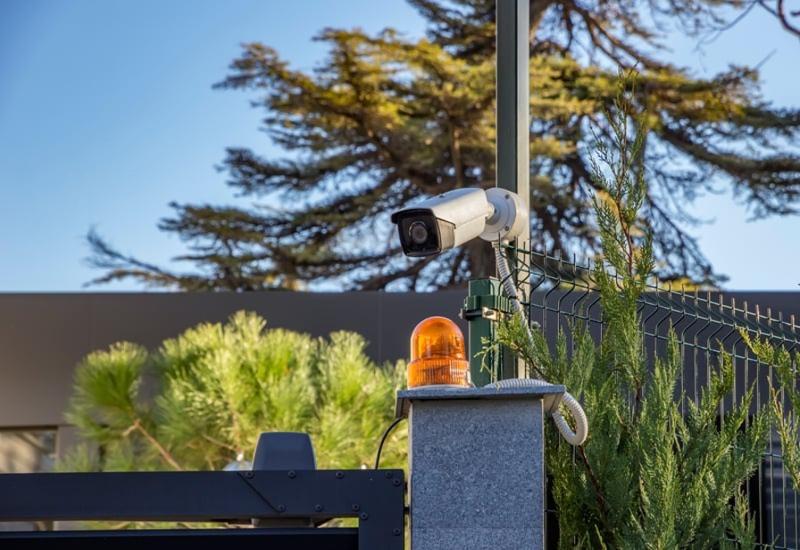
After-hours monitoring protects retail premises during closed periods when break-in risks increase substantially. Operators verify proper closing procedures including door securing, alarm system activation, lighting adjustments, and final employee departures. Overnight monitoring detects unauthorized access attempts, responds to alarm system triggers, and coordinates rapid response preventing extensive theft or damage before morning opening.
Warehouse and Logistics Video Surveillance
Logistics operations and warehouse facilities require comprehensive security monitoring addressing perimeter security, cargo protection, access control, and safety compliance. Large facilities with extensive grounds and multiple entry points present monitoring challenges that professional surveillance addresses through strategic camera placement and operator protocols understanding warehouse operational patterns.
Perimeter monitoring includes fence line surveillance detecting unauthorized approach attempts before intruders reach buildings. Motion analytics and thermal imaging identify fence climbing, cutting attempts, or vehicle approaches to unsecured areas. Operators monitoring warehouse perimeters intervene through audio challenges and emergency coordination preventing unauthorized access rather than merely documenting successful intrusions.
Loading dock supervision verifies proper procedures during cargo handling. Operators ensure only authorized vehicles access loading areas, monitor merchandise transfer preventing unauthorized removal, and document shipment activities creating accountability for missing inventory. Driver verification and vehicle documentation prevent unauthorized individuals from accessing secure loading areas using deception or stolen credentials.
Cargo protection monitoring detects theft patterns including after-hours access to inventory storage areas, merchandise diversion during handling, and organized theft operations targeting high-value goods. Operators familiar with warehouse layouts and normal operational patterns quickly identify unusual activity requiring investigation. Coordinated theft operations involving multiple individuals receive particular operator attention since organized crime produces substantially higher losses than opportunistic individual theft.
Fork lift and equipment safety monitoring identifies dangerous operating practices requiring intervention. Healthcare facilities must balance security needs with privacy requirements, as outlined in World Health Organization guidelines on surveillance in healthcare settings, ensuring monitoring protocols respect patient confidentiality. Operators observing unsafe equipment operation, blocked emergency exits, or unauthorized personnel in restricted areas alert warehouse management enabling immediate correction before accidents occur.
Construction Site 24/7 Live CCTV Monitoring Services
Construction projects face unique security challenges including temporary site conditions, changing layouts, valuable equipment theft vulnerabilities, trespassing risks, and insurance requirements. Mobile surveillance solutions deploy rapidly as projects begin and relocate as sites develop. Solar-powered or battery-operated camera systems enable monitoring in locations lacking electrical infrastructure typical of active construction environments.
Equipment theft prevention represents the primary construction monitoring focus. Operators monitor equipment storage areas during non-working hours when theft attempts typically occur. Expensive machinery including excavators, generators, power tools, and building materials attract organized theft operations capable of stealing hundreds of thousands in equipment overnight. Operator intervention through audio challenges and police coordination prevents theft attempts from succeeding.
Trespassing detection protects construction sites from unauthorized access creating liability risks. Curious passersby, vandals, squatters, and competitors conducting reconnaissance all represent trespassing concerns. Operators distinguish contractor vehicles and authorized personnel from unauthorized individuals, challenging suspected trespassers and coordinating removal before damage or injuries occur creating legal liability for site owners.
Vandalism monitoring enables rapid response limiting damage severity. Graffiti, equipment sabotage, and malicious destruction represent significant costs for construction projects. Operators detecting vandalism in progress coordinate immediate response while capturing clear images of perpetrators supporting prosecution. Early intervention prevents minor vandalism from escalating into extensive property damage.
Contractor access verification ensures only authorized personnel enter construction sites. Operators monitor entry points during and after working hours, verifying that only approved contractors access sites and that sites are properly secured at day end. Access control monitoring prevents theft by individuals posing as contractors to gain site access.
Safety violation identification represents an additional monitoring value. Operators observing dangerous working conditions, missing safety equipment, or unauthorized site access during hazardous operations alert project managers enabling immediate safety interventions preventing accidents. Construction site monitoring thus provides dual value combining security protection with safety compliance support.
Healthcare Facility CCTV Monitoring
Healthcare environments require monitoring balancing security effectiveness with stringent patient privacy regulations and compliance requirements. Privacy-compliant monitoring procedures ensure cameras avoid patient care areas where privacy expectations exist while maintaining comprehensive security coverage of public spaces, parking facilities, restricted areas, and medication storage.
Patient safety incident observation enables rapid response to falls, aggressive behaviors, or medical emergencies in public hospital areas. Operators monitoring emergency department waiting areas, parking structures, and public corridors detect incidents requiring immediate assistance. While operators cannot monitor patient rooms due to privacy regulations, public area monitoring enhances overall facility safety.
Restricted area access control monitoring prevents unauthorized personnel from accessing medication storage areas, pharmaceutical supplies, laboratory facilities, or confidential records locations. Operators verify that only authorized staff access restricted areas, challenging individuals attempting unauthorized entry. Access control monitoring complements badge systems by providing visual verification that individuals accessing secure areas possess legitimate authorization.
Parking lot security protects staff, patients, and visitors from robbery, assault, and vehicle theft in healthcare facility parking areas. Operators monitor parking facilities overnight when most incidents occur, providing virtual escort services guiding late-shift staff to vehicles and coordinating security response to suspicious individuals loitering in parking areas.
Medication storage monitoring addresses pharmaceutical theft concerns in hospitals and care facilities. Operators monitor medication storage room access, documenting all entries and identifying unusual access patterns suggesting diversion or theft. Medication security monitoring supports compliance with controlled substance regulations while preventing internal theft.
Aggression and violence early warning systems enable intervention before incidents escalate. Healthcare facilities experience higher workplace violence rates than most industries. Operators trained to recognize aggressive behaviors in waiting areas or emergency departments alert security personnel enabling early intervention before situations escalate into physical violence requiring law enforcement response.
Residential and Multi-Family Properties
Residential monitoring employs privacy-conscious approaches respecting homeowner and tenant privacy while providing security coverage. Cameras monitor perimeters, entrances, parking areas, and common spaces rather than individual residences interior spaces where privacy expectations exist. Professional residential monitoring balances security benefits against privacy concerns through appropriate camera placement and access restrictions.
Package theft prevention addresses growing concerns about stolen deliveries. Operators monitoring residential properties watch for delivery arrivals and observe whether packages remain secure until residents retrieve them. Unusual vehicle activity or individuals approaching recently-delivered packages trigger operator attention. Audio challenges through doorbell cameras deter potential thieves before theft occurs.
Unauthorized entry detection protects residential properties from break-in attempts. Operators monitoring single-family homes or multi-family building entrances identify forced entry attempts, suspicious individuals testing doors or windows, or unauthorized access to secured building areas. Immediate operator response through audio challenges and police coordination prevents many intrusion attempts from succeeding.
Parking area supervision in multi-family properties addresses vehicle theft, vandalism, and resident safety concerns. Operators monitor parking facilities identifying suspicious vehicles or individuals, challenging unauthorized parking area presence, and providing virtual escorts for residents returning home late evening. Parking monitoring dramatically improves resident sense of security while reducing property crime.
Common area safety monitoring in apartment buildings, condominiums, and housing communities provides security coverage for lobbies, hallways, fitness centers, pool areas, and other shared spaces. Operators ensure only authorized residents and guests access buildings, monitor common areas for safety concerns, and coordinate emergency responses when incidents occur.
Guest verification procedures enable residents to grant visitor access while maintaining security. Operators communicate with delivery personnel, service providers, and guests through intercom systems, verify visitor legitimacy, and grant temporary access upon resident authorization. This monitored access control provides convenience for residents while maintaining security against unauthorized entry.
Commercial Office Buildings
Commercial property monitoring addresses after-hours security, multi-tenant coordination, parking structure safety, lobby supervision, and executive protection requirements. Office buildings typically face lower security threats than retail or industrial properties but require sophisticated access control and monitoring supporting varied tenant needs.
After-hours access monitoring ensures only authorized personnel enter buildings outside business hours. Operators verify that individuals accessing buildings overnight or weekends possess authorization, challenge suspicious individuals, and document all after-hours building access. Monitoring prevents unauthorized access by former employees, contractors with expired access privileges, or criminals exploiting inadequate access control during limited-staffing periods.
Multi-tenant security coordination provides consistent security across multiple tenants sharing building space. Operators understand each tenant’s security requirements, authorized personnel, access schedules, and escalation contacts. Coordinated monitoring ensures all tenants receive appropriate security attention regardless of individual tenant security sophistication.
Parking structure surveillance protects employees, visitors, and vehicles in commercial building parking facilities. Operators monitor parking areas for theft, assault, vandalism, and suspicious vehicles. Virtual escort services guide employees to vehicles during late shifts, improving safety while reducing liability concerns for building owners.
Elevator and lobby supervision ensures only authorized individuals enter secured building areas. Operators monitor lobby cameras verifying visitor check-in procedures, watch elevators for suspicious activity, and observe individuals attempting to bypass security desks or tailgate through secured doors. Lobby monitoring creates security presence discouraging unauthorized access attempts.
Emergency evacuation assistance provides additional operator value during fire alarms or other building emergencies. Operators monitoring evacuation procedures verify that occupants exit safely, identify individuals requiring assistance, coordinate with emergency responders about building status, and document evacuation compliance supporting emergency planning improvements.
Executive protection services for high-profile tenants include monitoring parking arrival/departure, ensuring clear routes from vehicles to offices, and alerting security personnel about suspicious individuals near executive offices. Monitoring provides security layer supplementing physical security personnel through comprehensive surveillance coverage.
Legal and Compliance Considerations
GDPR and Data Protection Compliance
Organizations implementing remote CCTV monitoring must comply with data protection regulations governing how surveillance footage is captured, stored, accessed, and shared. Organizations implementing surveillance must consider research on surveillance privacy and public health considerations when designing monitoring protocols that balance security needs with individual rights.
Data protection requires establishing lawful basis for surveillance under legitimate interests provisions. Organizations must demonstrate that security monitoring serves genuine legitimate interests, that surveillance represents necessary and proportionate response to identified risks, and that monitoring respects individual rights and freedoms. Privacy impact assessments document these considerations and demonstrate compliance with data protection principles.
Data processor agreements with monitoring companies establish responsibilities, security measures, and data handling procedures. Remote monitoring providers processing surveillance footage act as data processors under data protection regulations, requiring formal agreements specifying their obligations. These agreements must address data security measures preventing unauthorized access, retention periods limiting how long footage remains stored, and procedures for responding to data subject access requests from individuals appearing in recordings.
Data retention period limitations require businesses to retain footage only as long as necessary for stated security purposes. Typical retention periods range from 30-90 days, with longer retention requiring specific justification. Automated deletion procedures ensure compliance with retention limitations without requiring manual intervention. Storage systems must implement appropriate security measures preventing unauthorized access including encryption for recorded footage, access controls limiting who can view recordings, and audit trails documenting all access to stored footage.
Cross-border data transfer restrictions apply when monitoring companies operate monitoring centers or store footage outside original data collection jurisdictions. International data transfers require appropriate safeguards ensuring data receives protection equivalent to originating jurisdiction standards. Standard contractual clauses or other approved transfer mechanisms establish legal basis for international data movements.
CCTV Signage and Notification Requirements
Clear notification that surveillance monitoring is active represents fundamental compliance requirement. Signage must be prominently displayed at all property entrances and areas where cameras operate, ensuring anyone entering monitored premises receives notice before surveillance begins. Warning signs must remain clearly visible and legible from normal approach distances.
Information displayed on signage must include organization identity responsible for surveillance, surveillance purpose and legal basis, identification of what monitoring involves, contact information for privacy inquiries, and notification that footage may be shared with law enforcement. Generic “CCTV in operation” signs without required information detail fail compliance standards.
Privacy notice accessibility ensures individuals can easily access detailed information about surveillance practices. While signage provides initial notification, comprehensive privacy notices available through websites, reception areas, or posted information boards provide full details about surveillance scope, retention periods, access procedures, and individual rights.
Recording and Storage Obligations
Secure storage requirements mandate that surveillance footage receives protection from unauthorized access, tampering, or accidental destruction. Storage systems must implement encryption protecting recorded footage from interception or unauthorized viewing, access controls limiting footage access to personnel with legitimate need, physical security protecting recording equipment from theft or interference, and backup systems preventing footage loss due to equipment failure.
Access control and audit trails document who views footage, when access occurs, and what footage was reviewed. Audit capabilities support investigations into potential unauthorized access and demonstrate compliance with data protection requirements. Organizations must maintain records of who has footage access privileges, regularly review access permissions, and revoke access for individuals no longer requiring it.
Retention schedule documentation establishes how long different footage categories remain stored and when automatic deletion occurs. Documented retention schedules demonstrate that organizations thoughtfully considered retention necessity rather than storing footage indefinitely. Schedules should differentiate between routine footage deleted after standard retention periods and incident footage retained longer supporting investigations or legal proceedings.
Operator Licensing and Background Checks
Professional monitoring operators must hold appropriate security industry licenses demonstrating they’ve passed background checks and completed approved training. Licensing requirements vary by jurisdiction but typically include criminal history checks excluding individuals with serious criminal convictions, verification of identity and work authorization, completion of approved training curricula covering security industry regulations and professional standards, and ongoing license maintenance through continuing education.
Background check standards for monitoring operators should include criminal history verification, employment history confirmation identifying gaps or terminations for cause, reference checks from previous security industry employers, and credit checks for positions involving cash handling or high-security applications. Monitoring centers maintaining rigorous hiring standards employ operators possessing judgment, reliability, and professionalism security responsibilities demand.
Training certification documentation proves operators completed required education covering surveillance monitoring, threat recognition, verification procedures, emergency response coordination, privacy compliance, and customer service. Monitoring companies should provide training records demonstrating initial operator education and ongoing professional development maintaining competency.
Property owners possess legitimate interests verifying operator credentials and certification status before entrusting security monitoring to service providers. Monitoring companies confident in operator quality provide documentation confirming licensing status, background check completion, and training credentials. Providers refusing credential verification likely employ unlicensed operators or offshore personnel not subject to proper vetting.
Police Response and False Alarm Policies
Law enforcement agencies implement verified alarm policies prioritizing response to security calls verified by monitoring center operators over unverified automatic alarms. Verified alarm policies recognize that human-verified calls represent genuine threats requiring immediate response while automated alarms frequently prove false, wasting limited police resources.
False alarm fine structures penalize properties generating excessive false alarms through automated systems lacking human verification. Many jurisdictions assess escalating fines for repeated false alarms, with fines increasing substantially after threshold violations. Properties generating frequent false alarms may lose police response entirely, receiving only report-taking services rather than immediate emergency response.
Priority response criteria for verified alarms establish that monitoring center notification receives higher priority than unverified automatic alarm system triggers. Police dispatchers recognizing calls originate from professional monitoring centers with established accuracy records dispatch officers immediately, while unverified alarms receive lower priority and slower response during high-call-volume periods.
Response coordination protocols between monitoring centers and law enforcement improve effectiveness during actual security incidents. Monitoring operators provide dispatchers with comprehensive incident information including specific threat descriptions, exact locations within large properties, number of suspects and physical descriptions, whether individuals remain on-site or fled, potential weapons observed, and entrance points used. Detailed information enables appropriate officer response protecting both police and property occupants.
GCCTVMS Human-Based Remote CCTV Monitoring Solutions
GCCTVMS Operator-Centered Approach
GCCTVMS delivers professional remote CCTV monitoring services emphasizing trained human operators providing genuine 24/7 property protection rather than automated recording systems with monitoring labels. All GCCTVMS monitoring relies on licensed security operators maintaining continuous awareness of client properties through active observation and verification protocols distinguishing real threats from false alarms.
GCCTVMS delivers comprehensive monitoring services tailored to industry needs, addressing the specific security challenges faced by retail, warehouse, construction, healthcare, and residential properties. Operator workload management maintains maximum ratios ensuring each operator monitors appropriate property quantities. Unlike providers assigning 30-50 properties per operator creating divided attention and delayed responses, GCCTVMS limits operator assignments preserving monitoring quality and response speed.
Continuous operator training and certification programs maintain monitoring excellence. New operators complete extensive initial training covering threat recognition, verification procedures, emergency response coordination, and industry-specific security challenges. Ongoing monthly training sessions address emerging threat patterns, new technology capabilities, customer service improvements, and regulatory compliance updates. Training investments create operator teams capable of distinguishing genuine threats from environmental false triggers and coordinating effective responses.
Shift overlap protocols eliminate monitoring gaps during operator breaks and shift changes. GCCTVMS schedules shifts with 15-30 minute overlaps ensuring departing operators brief incoming personnel about recent property activity and potential concerns requiring attention. Backup operators cover breaks without creating monitoring interruptions. These operational procedures maintain continuous monitoring without the gaps characteristic of providers lacking sophisticated shift management.
Redundant monitoring center infrastructure provides operational resilience during infrastructure failures or disasters. Primary monitoring centers operate with backup power systems, diverse internet connectivity from multiple providers, and redundant equipment preventing single points of failure. Secondary monitoring centers in different geographic locations can assume responsibility for all monitored properties if primary facilities experience problems, ensuring uninterrupted service regardless of local infrastructure issues.
Verification Protocols and False Alarm Reduction
Multi-stage verification procedures ensure accuracy before client or police notification. GCCTVMS operators follow structured verification processes evaluating potential threats using multiple camera angles, contextual assessment against property-specific normal activity patterns, and two-way audio challenges when applicable. Verification typically completes within 60-90 seconds of initial detection, balancing thoroughness against response speed.
False alarm rates maintained well below industry averages demonstrate verification effectiveness. While automated-only monitoring generates 60-90% false alarm rates and human-monitored services averaging 10-15% false positives, GCCTVMS maintains sub-5% false alarm performance through rigorous verification training and property familiarization. Low false alarm rates preserve police response priority and prevent client alert fatigue that degrades security effectiveness.
Two-way audio challenge capabilities enable operators to intervene immediately when potential threats appear. Audio systems integrated with all GCCTVMS-monitored properties allow operators to issue verbal warnings, verify visitor identities, and coordinate emergency responses. Audio intervention stops most opportunistic criminals who assumed properties were unmonitored, preventing intrusion attempts from progressing beyond initial approach phases.
Weather and scheduled activity awareness integration prevents environmental false alarms. GCCTVMS operators access weather information for monitored property locations, automatically adjusting assessment criteria during storms, high winds, or other conditions affecting motion detection. Property-specific calendars document scheduled deliveries, maintenance activities, after-hours work authorizations, and special events. Operators reference schedule information during verification, avoiding false alarms from expected activity.
Client satisfaction with alert accuracy reflects verification effectiveness. Organizations seeking professional monitoring can learn more about GCCTVMS monitoring capabilities, including operator training standards, technology infrastructure, and industry-specific expertise. Clients report confidence in GCCTVMS notifications, knowing that any alert received represents verified threats requiring attention rather than false alarms characteristic of automated systems.
Industry-Specific Monitoring Expertise
Retail-trained operators specialize in loss prevention monitoring addressing shoplifting, organized retail crime, employee theft, and point-of-sale fraud. Retail specialists receive training covering concealment techniques, distraction methods, cash handling monitoring, and after-hours security verification. Retail clients benefit from operators who understand merchandise protection priorities and recognize theft behaviors distinguishing criminals from legitimate customers.
Construction site specialists understand equipment theft patterns, contractor access verification, trespassing detection, and safety monitoring. Construction-focused operators differentiate between authorized contractor vehicles and unauthorized access, recognize equipment theft preparation activities, and understand temporary site conditions affecting monitoring approaches. Construction monitoring expertise prevents the false alarms generalist operators might generate when unfamiliar with dynamic construction environments.
Healthcare-focused teams comprehend patient privacy requirements, medication security, restricted area access control, and aggression warning signs. Healthcare specialists receive training ensuring monitoring protocols respect confidentiality while maintaining security effectiveness. Medical facility clients receive monitoring balancing security protection against stringent privacy regulations affecting healthcare environments.
Warehouse security experts focus on cargo protection, perimeter security, loading dock supervision, and logistics operation patterns. Warehouse specialists understand normal operational timing, recognize cargo theft indicators, and coordinate emergency responses appropriate for large facility environments. Logistics companies benefit from operators who comprehend their operational patterns and security vulnerabilities.
Residential monitoring employs privacy-conscious protocols respecting homeowner and tenant privacy while providing security coverage. Residential specialists understand appropriate camera placement, package theft prevention, common area safety, and guest verification procedures. Residential clients receive monitoring respecting privacy expectations while delivering security benefits.
Technology Integration and Access
Camera system compatibility supports existing infrastructure from multiple manufacturers including analog, IP, and hybrid configurations. GCCTVMS technical teams assess current camera installations, identify integration requirements, and typically enable monitoring without complete system replacement. Compatibility across platforms prevents the expensive equipment upgrades providers demanding proprietary systems impose on clients.
Cloud platform capabilities provide business owners direct access to live feeds, incident recordings, and reporting dashboards. GCCTVMS client portal and mobile applications enable property owners to view cameras remotely, review incident documentation, access monthly performance reports, and communicate directly with monitoring operators. Technology transparency demonstrates service quality confidence while empowering clients to verify monitoring effectiveness.
Real-time incident notifications ensure property owners receive immediate information about verified threats. Multi-channel notification methods including phone calls, SMS messages, email alerts, and mobile application push notifications ensure owners can respond appropriately regardless of situation. Priority escalation procedures attempt multiple contact methods and escalate to secondary contacts when primary individuals don’t respond within predetermined timeframes.
Operator-controlled PTZ cameras enable operators to direct camera angles toward detected threats, follow intruder movements through properties, and capture clear images supporting identification and prosecution. PTZ control capabilities dramatically improve monitoring effectiveness compared to fixed-position cameras operators cannot adjust. GCCTVMS operators receive training in effective PTZ camera operation maximizing surveillance value.
Video analytics integration assists operators by pre-filtering events requiring human review. Intelligent detection systems identify potential threats using perimeter breach detection, loitering alerts, object removal notification, and license plate recognition. Analytics reduce operator workload by dismissing obvious false triggers while ensuring operators review all potentially significant events. This human-analytics partnership combines automation efficiency with human judgment accuracy.
Transparent Service Level Agreements
Response time commitments establish accountability and service quality expectations. GCCTVMS guarantees operator acknowledgment of detected events within 30 seconds, with verification completion typically within 90 seconds of initial detection. Response time commitments enable clients to evaluate whether service delivery meets contracted standards and provides recourse when performance falls short.
Monitoring uptime guarantees specify service availability percentages. GCCTVMS commits to 99.8% annual uptime, accepting responsibility for service credits when monitoring interruptions exceed allowable thresholds. Uptime guarantees demonstrate confidence in operational redundancy and infrastructure reliability that monitoring services require.
Escalation procedures documentation clarifies how operators handle various threat scenarios, ambiguous situations, and emergency responses. Documented procedures ensure consistent responses across all operators and provide clients with understanding of what happens during actual security incidents. Procedure transparency prevents surprises and enables clients to provide feedback about escalation preferences.
Monthly performance reporting provides visibility into monitoring effectiveness. GCCTVMS clients receive reports documenting verified threats detected, false alarm rates, average response times, and uptime performance. Transparent reporting demonstrates accountability and provides data supporting security investment decisions.
Direct client-operator communication channels enable property owners to discuss concerns, provide operational updates, or request monitoring adjustments directly with operators familiar with their properties. Communication accessibility distinguishes GCCTVMS from providers preventing client-operator interaction or routing all communication through sales representatives lacking operational knowledge.
Selecting Remote CCTV Monitoring Providers That Deliver Human-Verified Protection
Human verification reduces false alarms by 80-95% compared to automated-only monitoring systems, dramatically improving police response reliability and preventing alert fatigue degrading security effectiveness. Not all “monitored” systems include actual human operator review—many providers market automated recording with motion alerts as “professional monitoring” despite lacking human intelligence before alert generation.
Operator training quality and attention ratios determine monitoring service value. Providers assigning excessive property quantities per operator create divided attention preventing effective monitoring. Professional services maintain reasonable operator workloads, invest in comprehensive training programs, and require industry-recognized certifications demonstrating operational competency.
Industry-specific expertise improves threat recognition and reduces false alarms. Operators trained in retail security, construction site monitoring, healthcare facility surveillance, or warehouse protection deliver superior results compared to generalist approaches applying identical protocols across diverse property types. Businesses benefit from matching monitoring providers to industry expertise relevant to operational environments.
Clear service level agreements with response time guarantees, uptime commitments, and documented escalation procedures indicate provider confidence in service delivery. Transparent SLAs establish accountability and provide recourse when performance falls short. Providers avoiding specific commitments likely cannot consistently deliver professional service quality.
Verification before selection requires checking certifications directly with issuing organizations, contacting references from similar properties, and conducting trial periods testing actual service delivery. Claims about monitoring quality often exceed reality—independent verification protects against selecting providers whose marketing exceeds operational capabilities.
Decision Framework:
- Verify human operators actively watch cameras rather than only responding to automated alerts
- Confirm operator certifications, training frequency, and industry-specific expertise
- Request false alarm statistics demonstrating verification effectiveness
- Review SLAs specifying response times, uptime guarantees, and escalation procedures
- Test service quality during trial periods before long-term commitments
Properties protected by human-verified remote CCTV monitoring prevent incidents through intelligent intervention informed by contextual understanding automated systems cannot replicate. Automated-only systems document crimes after perpetrators have fled with stolen property—perfect evidence for insurance claims but worthless for loss prevention. The cost difference between human verification and automation often represents a 10-20% premium—insignificant compared to preventing a single theft incident.
Stop paying for surveillance theaters that record losses instead of preventing them. Schedule your free security assessment with GCCTVMS and experience the difference human-verified remote CCTV monitoring makes. Licensed operators actively protect your property 24/7—schedule your security evaluation today.
FAQ’s
What is human-based remote CCTV monitoring?
Human-based remote CCTV monitoring involves trained security operators actively watching live camera feeds from properties, verifying potential threats before sending alerts, and intervening through two-way audio when suspicious activity occurs.
How much does remote CCTV monitoring with human verification cost?
Human-verified remote CCTV monitoring typically costs £150-600 monthly depending on property size, camera quantity, service level, and operator attention requirements. Per-camera pricing ranges from £15-50 monthly with flat-rate per-location pricing offering better value for properties with many cameras.
What’s the difference between live CCTV monitoring and automated alerts?
Live CCTV monitoring means trained operators actively watch camera feeds or review triggered events within 30-60 seconds, verifying situations before alerting clients or police.
What certifications should CCTV monitoring operators have?
Professional CCTV monitoring operators should hold industry-recognized security licenses demonstrating they’ve passed background checks, completed approved training programs, and maintain good standing with regulatory bodies.
Can remote CCTV monitoring services work with existing cameras?
Most professional remote CCTV monitoring providers support existing camera systems from multiple manufacturers including analog, IP, and hybrid configurations.
