


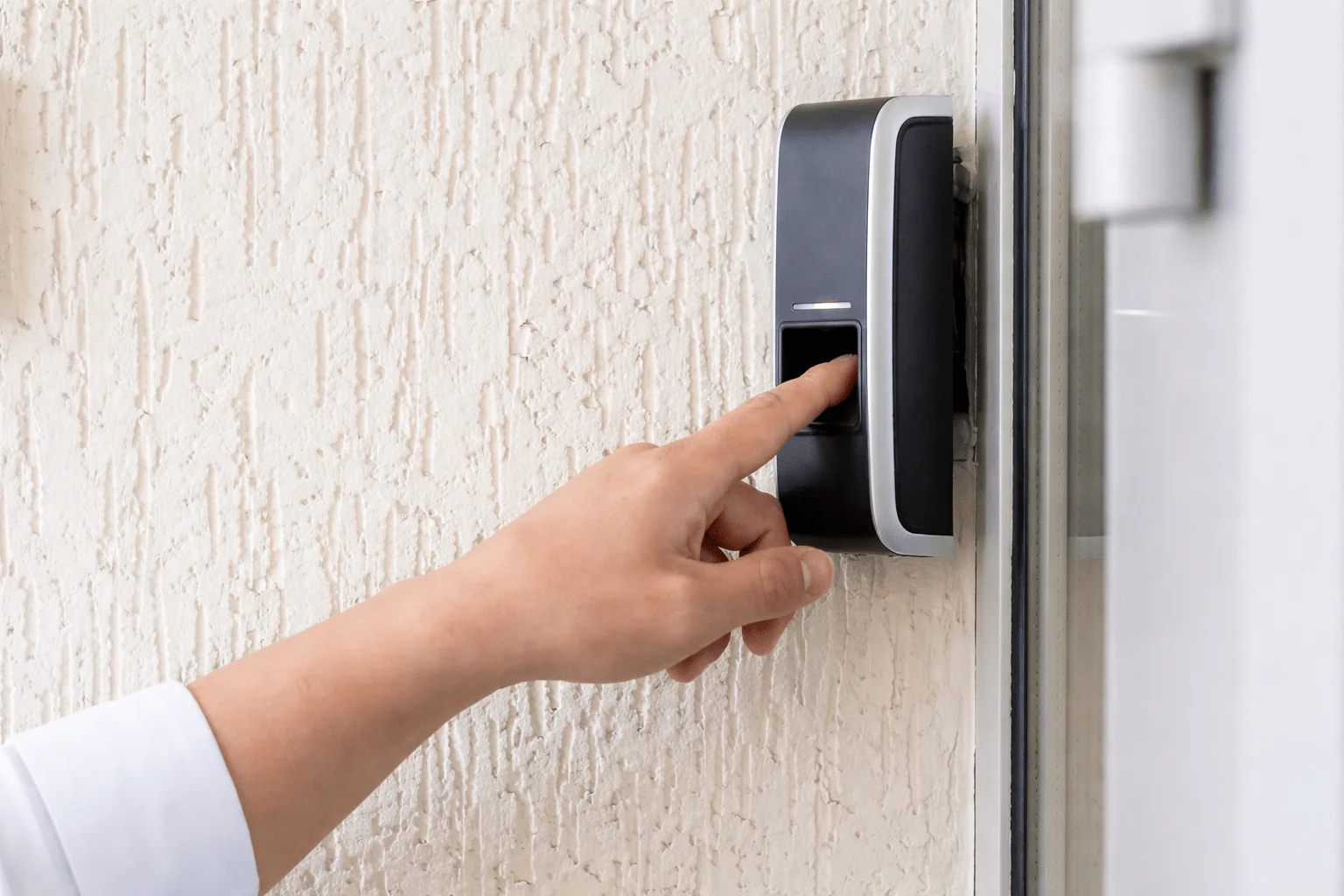

Pick Best Virtual Doorman Services Guide
A property manager oversees three residential buildings in Manhattan. Traditional doorman costs reached $380,000 annually. Benefits and overhead added another $120,000. Total staffing expense: $500,000 yearly. She researched virtual doorman alternatives. Five providers quoted $75-$180 monthly per unit. Potential savings: $400,000+ annually. But which provider delivers actual value versus marketing promises?
Selecting the best virtual doorman services requires careful evaluation. Property managers, building owners, and residential administrators face multiple options. Understanding virtual doorman, virtual doorman services, doorman services, virtual guard, and virtual guard services differences matters tremendously. Quality varies dramatically between providers. Response times range 20 seconds to 8 minutes. Technology platforms differ in reliability. Costs hide in contract fine print. This comprehensive guide helps you select the best virtual doorman provider matching your property’s specific needs.
Understanding Virtual Doorman Technology and Your Property Requirements
Virtual doorman services provide remote concierge capabilities through video intercom technology. Professional operators monitor building access 24/7. They screen visitors before granting entry. They manage package deliveries. They coordinate amenity reservations. They handle emergency situations. They communicate with residents seamlessly.
According to Swiftlane’s comprehensive guide on virtual doorman services providers, technology quality and operator training separate excellent providers from inadequate vendors.
Traditional doorman costs $50,000-$100,000 annually per position. Benefits add 30-40% more. Multiple shifts require 4-5 employees. Single-location traditional doorman costs $200,000-$400,000 yearly. Virtual doorman services cost $50-$200 monthly per unit. A 50-unit building pays $30,000-$120,000 annually. Savings reach 70-85% while maintaining service quality.
Property requirements vary significantly. Small buildings need basic access control. Large complexes require comprehensive management. Residential buildings prioritize tenant satisfaction. Commercial properties emphasize security. Mixed-use developments need both. Understanding whether your property needs virtual doorman helps clarify requirements before provider selection.
Assess your specific needs carefully. Building size affects pricing and features. Current security infrastructure determines integration requirements. Tenant demographics influence language and service expectations. Budget constraints limit options realistically. Existing property management systems need compatibility verification.
Service Quality Indicators Separating Best Providers from Average
Response time standards reveal provider quality immediately. Industry benchmarks require 15-30 second response times. Acceptable range extends to 60 seconds maximum. Anything exceeding 60 seconds indicates understaffing or poor operations. Request documented average response metrics. Verify performance during peak hours, nights, and weekends.
Mystery shopper testing reveals actual performance. Providers promise fast responses during sales. Reality often differs after contract signing. Test services yourself before committing. Call the system multiple times. Measure response speed. Evaluate operator professionalism. Check communication clarity.
Operator training depth affects service quality dramatically. Best virtual guard services providers invest heavily in training. Operators learn customer service protocols. They understand emergency response procedures. They study residential property management nuances. They receive ongoing education and quality monitoring.
Research from ButterflyMX on doorman services emphasizes operator professionalism as critical factor distinguishing quality providers.
Multilingual capabilities serve diverse resident populations. Verify language coverage matches your building demographics. Spanish, Mandarin, Korean, Russian, and other languages may be necessary. Operators should speak languages fluently, not use translation apps creating delays and miscommunication.
Coverage reliability requires genuine 24/7/365 availability. Some providers claim continuous service but reduce staffing nights and weekends. Verify holiday coverage. Confirm overnight staffing levels. Check backup operator redundancy. System failures should trigger automatic failover preventing service interruptions.
Understanding benefits of virtual doorman helps prioritize quality indicators matching your property priorities.
Technology Platform Evaluation for Virtual Doorman Systems
Mobile app usability determines resident satisfaction and adoption rates. Tenant-facing apps must be intuitive. Residents shouldn’t need training. Visitor pre-authorization should take seconds. Package notifications must arrive reliably. Activity logs should be easily accessible. Poor apps frustrate residents causing service dissatisfaction.
Management dashboard functionality affects operational efficiency. Property managers need comprehensive oversight. Real-time activity monitoring provides security awareness. Visitor history supports investigations. Access control management enables remote administration. Reporting capabilities track usage patterns and issues.
Video quality standards require minimum 1080p resolution. Lower resolutions make identification difficult. Night vision capability ensures 24-hour effectiveness. Outdoor cameras need weather resistance. Multiple camera support covers various entry points. Recording quality and storage duration matter for security documentation.
Two-way audio clarity enables effective communication. Operators must hear visitors clearly. Background noise cancellation improves conversation quality. Speakers must project sufficiently for outdoor environments. Audio failures render systems nearly useless.
According to Blogicalife’s explanation of how virtual doorman service works, technology reliability and user experience determine resident satisfaction levels.
System reliability requires 99%+ uptime guarantees. Internet redundancy prevents single-point failures. Failover systems maintain service during outages. Cloud-based platforms generally offer better reliability than on-premise solutions. Verify actual uptime history, not just promises.
Smart building integration capabilities matter increasingly. Access control system compatibility prevents replacement costs. Existing intercom connectivity saves installation expenses. Property management software integration streamlines operations. Elevator control coordination enhances security. Parking gate management completes comprehensive access control.
Cost Analysis and Contract Terms for Doorman Services
Transparent pricing structures prevent budget surprises. Per-unit monthly fees typically range $50-$200. Setup costs include installation and equipment. Activation fees cover onboarding and training. Some providers charge separately for features others include. Create detailed cost comparison spreadsheets.
Hidden costs appear in multiple areas. Equipment rental fees add monthly charges. Service call fees apply for technical support. Contract termination penalties punish early cancellation. Late payment fees accumulate quickly. Feature upgrade costs aren’t disclosed initially. Demand complete fee disclosure before commitment.
Analysis from Brick Underground on virtual doorman costs and benefits demonstrates substantial savings over traditional staffing while maintaining service quality.
Contract flexibility accommodates changing needs and provider evaluation. Month-to-month agreements offer maximum flexibility but cost 10-20% more. Annual contracts balance commitment and cost. Multi-year agreements provide lowest pricing but risk long-term dissatisfaction. Cancellation policies matter critically—30-day notice reasonable, 90-day excessive.
ROI calculation justifies investment to boards and owners. Traditional doorman costs $200,000-$400,000 annually single location. Virtual doorman services cost $30,000-$120,000 for 50-unit building. Annual savings reach $80,000-$280,000. Three-year savings approach $240,000-$840,000. Insurance premium reductions add additional savings.
Exploring comprehensive guide to choosing virtual doorman services provider provides detailed cost-benefit analysis frameworks.
Vendor Credibility and Track Record Verification
Residential property experience indicates provider expertise. Companies serving residential buildings 3+ years demonstrate viability. Startup providers carry higher service discontinuation risks. Portfolio size shows market acceptance. Geographic coverage affects local emergency coordination. Similar property type experience ensures relevant expertise.
Client reference verification reveals actual service quality. Request 5-10 current client contacts. Prioritize similar building sizes and types. Conduct direct property manager conversations. Ask specific questions about response time reality, operator professionalism, technology reliability, tenant satisfaction, problem resolution, hidden costs, and overall recommendation likelihood.
Certification and insurance validate professional standards. Industry certifications indicate training investments. Professional liability insurance protects against service failures. General liability coverage addresses visitor incidents. Financial stability prevents service disruptions from provider insolvency. Better Business Bureau ratings reveal complaint patterns.
Understanding who provides virtual doorman services for businesses helps identify established qualified providers with proven commercial expertise.
Feature Comparison for Virtual Guard Services
Visitor management capabilities vary significantly between providers. Pre-authorization systems let residents whitelist expected guests. QR codes or PIN access streamline entry. Visitor photo capture provides security documentation. Delivery personnel verification prevents unauthorized access. Guest parking coordination reduces conflicts. Multiple simultaneous visitor handling tests system capacity.
Package handling represents critical virtual doorman functionality. Package arrival notifications alert residents immediately. Delivery authorization protocols prevent theft. Package room access management tracks accountability. Resident pickup notifications reduce storage issues. Large delivery coordination handles furniture and appliances. Amazon locker integration completes comprehensive package solutions.
Access control integration extends security comprehensively. Remote door unlock capabilities grant temporary access. Service provider codes expire automatically. Amenity room access prevents unauthorized use. Elevator control limits floor access. Parking gate coordination manages vehicle entry. Emergency lockdown procedures respond to threats.
Emergency response protocols prove provider competence. Police, fire, and medical emergency procedures must be documented. Authority contact speed affects outcome critically. Elevator entrapment protocols require immediate action. Building alarm response procedures coordinate with monitoring. Incident documentation supports investigations. Crisis communication keeps residents informed.
Research from Insignia on virtual concierge necessity clarifies comprehensive feature requirements for effective property management.
Trial Period and Implementation Process – 30 Days Free
Best virtual doorman services providers offer trial periods testing service quality before commitment. Industry-leading companies provide 30-day free trials allowing complete evaluation without financial risk. This trial period lets property managers verify response times, assess operator professionalism, test technology reliability, and gather resident feedback before signing contracts.
GCCTVMS provides 30 days free trial before starting paid monitoring services. This risk-free evaluation period allows properties to experience service quality firsthand. Test all features comprehensively. Measure response times repeatedly. Evaluate operator communication. Check technology reliability. Collect resident satisfaction feedback. Compare performance against promises.
Pilot programs offer alternative testing approaches. Implement service in single building before portfolio-wide rollout. Test with partial building (specific floors or units) initially. Performance benchmarks established during trials guide provider selection decisions. Money-back guarantee provisions provide additional protection.
Implementation timeline affects resident experience and operational continuity. Installation and setup typically requires 2-8 weeks depending on building complexity. Resident onboarding and training ensures adoption. Phased rollout minimizes disruption versus immediate full switch. Technical support availability during transition prevents frustration. Property staff training enables effective system management.
Performance monitoring establishes ongoing accountability. KPI dashboard access provides real-time metrics. Monthly reporting standards track trends. Tenant satisfaction surveys measure experience quality. Response time verification ensures continued compliance. Issue escalation procedures address problems rapidly. Continuous improvement processes maintain quality standards.
Common Mistakes Property Managers Make Selecting Virtual Doorman
Choosing lowest price without quality verification represents most expensive mistake. Cheap providers deliver poor service. Response times lag significantly. Operators lack training and professionalism. Technology fails frequently. Resident satisfaction plummets. Switching providers after bad experience costs more than selecting quality initially.
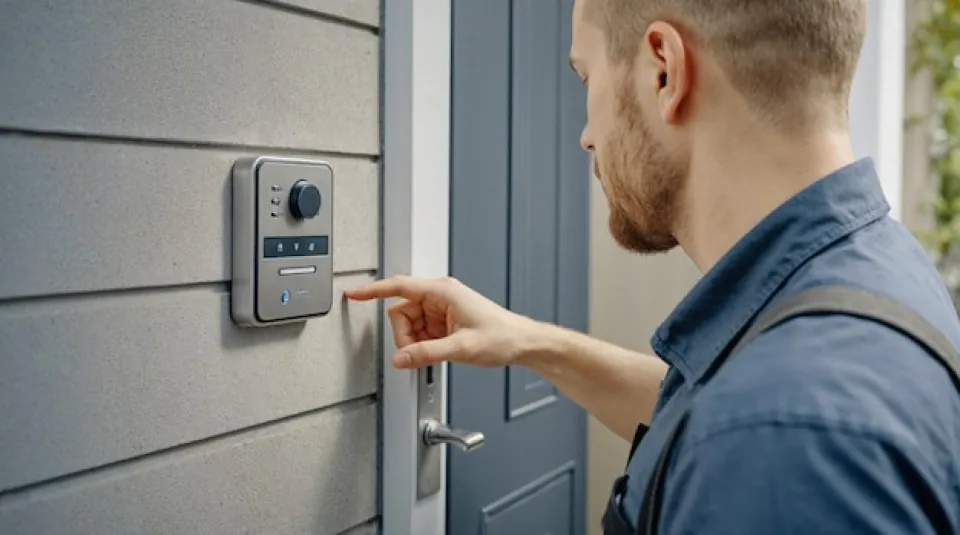
Skipping reference checks and trial periods creates unnecessary risk. Marketing promises differ from operational reality. Undiscovered issues surface after contract commitment. Performance problems frustrate residents. Taking advantage of 30-day free trial periods prevents costly selection mistakes.
Ignoring technology platform limitations causes ongoing frustration. Integration compatibility problems require expensive workarounds. Resident app adoption challenges reduce system value. System reliability issues create security gaps. Evaluate technology thoroughly during trial periods.
Overlooking contract terms and flexibility creates long-term regrets. Multi-year lock-ins prevent switching despite poor service. Cancellation penalty surprises punish exit attempts. Insufficient service level agreement protections leave properties without recourse. Read contracts completely before signing.
Questions to Ask Potential Virtual Doorman Services Providers
Service Quality Questions:
- What are your guaranteed average response times?
- How do you train virtual guard operators?
- What multilingual support capabilities do you offer?
- Can I speak with your operators during evaluation?
- What is your operator turnover rate?
Technology Questions: 6. What is your system uptime percentage history? 7. Which property management systems integrate with your platform? 8. How user-friendly is the resident mobile app? 9. What video resolution and storage do you provide? 10. Do you offer redundant systems preventing downtime?
Experience Questions: 11. How many residential buildings currently use your service? 12. Can you provide 5-10 client references I can contact? 13. What is your average client retention rate? 14. How long have you provided virtual doorman services? 15. Do you have experience with buildings similar to mine?
Cost Questions: 16. What is the complete monthly cost breakdown per unit? 17. Are there setup, installation, or activation fees? 18. What hidden fees or charges might apply? 19. What are your contract terms and lengths? 20. What are cancellation policies and penalties?
Trial and Support Questions: 21. Do you offer 30-day free trial periods before commitment? 22. What implementation support do you provide? 23. How do you handle system failures or outages? 24. What emergency response protocols do you follow? 25. What ongoing training and support do you offer?
Exploring virtual doorman services provides additional evaluation criteria and provider comparison frameworks.
Making Your Best Virtual Doorman Selection Decision
Selecting the best virtual doorman services requires comprehensive evaluation across multiple dimensions. Service quality indicators including response times under 30 seconds, extensive operator training, and genuine 24/7 coverage reliability separate excellent providers from inadequate vendors. Technology evaluation covering mobile app usability, video quality 1080p minimum, two-way audio clarity, and 99%+ system uptime ensures resident satisfaction and operational effectiveness.
Cost-benefit analysis calculating $80,000-$280,000 annual savings versus traditional doorman staffing justifies investment. Contract flexibility with month-to-month or annual terms prevents long-term lock-in regrets. Vendor credibility assessment through 3+ years residential experience and verified client references protects against service disappointments.
Feature comparison across visitor management, package handling, access control, and emergency protocols ensures comprehensive property support. Taking advantage of 30-day free trial periods allows risk-free evaluation before financial commitment.
Stop accepting marketing promises without verification. Demand 30-day free trial testing actual service quality. Measure response times personally. Evaluate operator professionalism directly. Test technology reliability thoroughly. Collect resident feedback during trial. Compare multiple providers using consistent criteria.
Calculate your specific ROI potential. Traditional doorman costs $200,000-$400,000 annually. Virtual doorman services save 70-85% while maintaining quality. Three-year savings reach $240,000-$840,000 for typical buildings. Insurance premium reductions add additional value. Tenant satisfaction improvements support retention and property values.
Visit GCCTVMS professional services for qualified virtual doorman solutions with 30-day free trial. Contact experienced providers for property assessment and customized proposals. Test service quality risk-free before commitment. Select best virtual doorman provider delivering reliable access control, tenant satisfaction, cost savings, and comprehensive property management support improving apartments, tenants, and delivery personnel safety across residential and commercial properties globally.
