




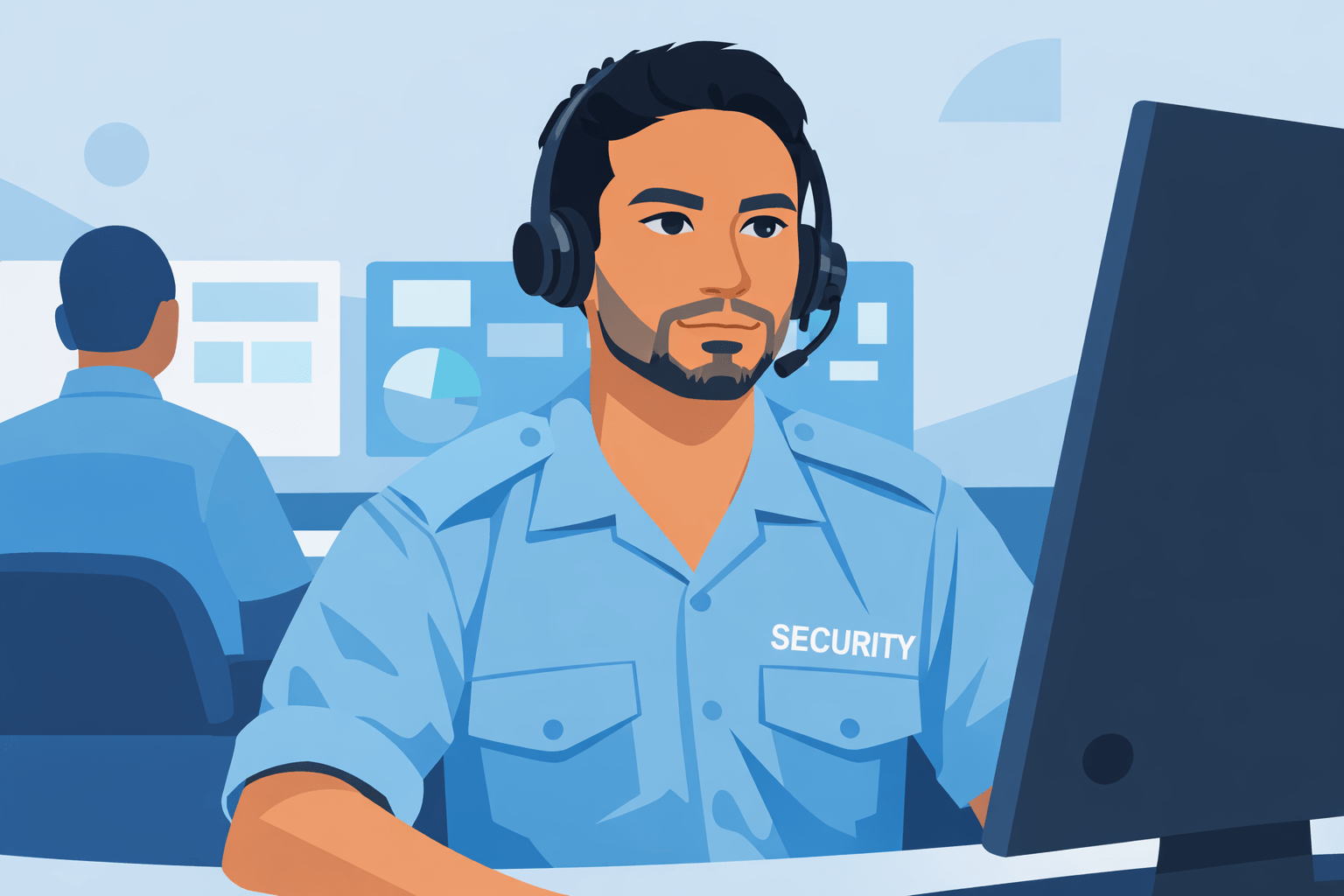
The True Purpose of a Virtual Doorman for Properties and Businesses
A property manager struggled with two problems simultaneously. Her 75-unit apartment building needed visitor management but couldn’t afford a $60,000 annual doorman salary. Her leasing office needed professional call handling but hiring a full-time receptionist exceeded budget constraints. A colleague suggested she look into virtual doorman services for the building and virtual receptionist services for the office.
She researched both options but found confusing overlap. Some virtual receptionist companies offered building access features. Some virtual doorman providers mentioned call handling. She needed clarity on one fundamental question: what is the actual purpose of a virtual doorman—and how does it differ from virtual receptionist for small business solutions?
This confusion affects thousands of property managers and business owners evaluating remote staffing alternatives. Understanding the specific purpose a virtual doorman serves helps decision-makers choose between virtual doorman services, live receptionist services, or combined solutions matching their actual needs.
The Core Purpose of a Virtual Doorman
A virtual doorman serves one primary purpose: protecting buildings and managing visitor access remotely. According to industry experts, virtual doorman technology combines video surveillance, two-way audio camera features, and professional human oversight to deliver traditional doorman functions without on-site staffing costs.
Virtual doorman operators monitor building entrances via camera systems around the clock. When visitors arrive, the virtual doorman sees them through video feeds, communicates through intercom systems, and makes access decisions based on resident authorization. This core virtual doorman purpose—security and access control—defines the service category.
The virtual doorman purpose extends beyond simple gatekeeping. Professional virtual doorman services include package management, emergency response coordination, resident communication, and incident documentation. Every function supports the central virtual doorman purpose: keeping buildings secure while providing concierge-level service to residents.
Understanding what a virtual doorman actually does clarifies this purpose. Virtual doorman operators actively watch, assess, and respond to building activity. They don’t simply buzz people in. They verify identities, confirm appointments, and protect residents from unauthorized entry.
Virtual Doorman Purpose for Residential Properties
Apartment Buildings and Condominiums
Virtual doorman purpose in multi-unit residential buildings centers on visitor verification and access control. When someone approaches the building entrance, the virtual doorman initiates contact through the intercom system. The virtual doorman asks visitors to identify themselves and state their purpose.
The virtual doorman then contacts the resident unit to verify visitor authorization. Based on resident response, the virtual doorman grants access or politely denies entry. Every interaction gets logged with timestamps and visitor details for security records.
Virtual doorman systems manage delivery access efficiently. The virtual doorman coordinates courier entry to package rooms, provides delivery instructions, and notifies residents when packages arrive. This virtual doorman function prevents package theft—a growing concern in residential properties.
Virtual doorman services also handle move-in coordination, contractor access, and vendor management. The virtual doorman verifies scheduled appointments, confirms resident authorization, and monitors service provider activity throughout visits.
Gated Communities and HOAs
Virtual doorman purpose extends to gated communities requiring vehicle and pedestrian access control. The virtual doorman verifies resident guests against approved visitor lists before opening gates. License plate recognition combined with virtual doorman verification provides layered security.
Community rule enforcement falls within virtual doorman purpose for HOA-managed properties. The virtual doorman monitors common areas, documents violations, and reports issues to property management. This virtual doorman function supports community standards without confrontational on-site enforcement.
Understanding the benefits of virtual doorman for residential applications helps property managers justify investment to boards and residents.
Emergency Response Coordination
A critical virtual doorman purpose involves emergency detection and response coordination. Virtual doorman operators monitor building cameras continuously. When emergencies occur—medical incidents, fires, security threats—the virtual doorman contacts emergency services immediately.
The virtual doorman provides first responders with precise location information, building access, and situational details. This virtual doorman function saves critical response time. The virtual doorman also communicates with residents during emergencies, providing instructions and updates.
Incident documentation represents another virtual doorman purpose supporting property management. The virtual doorman creates detailed records of emergencies, including video evidence, timeline documentation, and response actions. This virtual doorman function supports insurance claims and liability protection.
Virtual Doorman vs Virtual Receptionist Services
Understanding the difference between virtual doorman and virtual receptionist services helps decision-makers select appropriate solutions.
The Fundamental Difference
Virtual doorman purpose focuses on physical security and building access. Virtual receptionist services focus on call handling and business communication. The distinction matters when evaluating providers.
A virtual doorman uses cameras and intercoms for visitor management. A virtual receptionist uses phone systems for caller management. Virtual doorman operators watch video feeds and control building access. Virtual receptionist operators answer calls and route communications.
Some providers offer combined capabilities. Remote concierge services sometimes blend virtual doorman and virtual receptionist functions. Understanding your primary needs helps identify whether you need virtual doorman services, virtual receptionist services, or integrated solutions.
When You Need Virtual Doorman Services
Properties requiring visitor screening and access control need virtual doorman services. Buildings wanting package management and delivery coordination benefit from virtual doorman capabilities. Communities seeking security monitoring and emergency response require virtual doorman functions.
Comprehensive information about virtual doorman services helps property managers understand full capabilities. Virtual doorman purpose aligns with security-focused needs rather than communication-focused requirements.
Review which companies offer virtual doorman services to compare providers serving your property type.
When You Need Virtual Receptionist Services
Businesses requiring professional call answering need virtual receptionist services rather than virtual doorman solutions. Offices needing appointment scheduling and caller routing benefit from virtual receptionist capabilities. Virtual receptionist for small business improves professional image affordably.
Live receptionist services handle customer inquiries, take messages, and transfer calls to appropriate staff. Virtual receptionist services provide after-hours coverage ensuring no missed calls. Virtual receptionist companies offer customized scripts matching business branding.
Virtual Receptionist for Small Business Applications
Professional Image Enhancement
Virtual receptionist for small business provides professional call handling that solo operators and small teams cannot maintain internally. Live receptionist services answer calls with business-specific greetings, creating impression of larger operations.
Virtual receptionist services prevent missed calls during meetings, site visits, or busy periods. Every caller reaches a professional voice rather than voicemail. Virtual receptionist for small business captures leads that voicemail loses.
Best virtual receptionist solutions match large-company professionalism at small-business budgets. Virtual receptionist companies offer tiered packages scaling with call volume. Virtual receptionist for small business starts affordably and grows with business expansion.
Operational Efficiency
Virtual receptionist for small business handles calls while staff focuses on revenue-generating work. Constant phone interruptions reduce productivity significantly. Live receptionist services filter calls, handling routine inquiries independently.
Virtual receptionist services manage appointment scheduling, confirmations, and reminders. Best virtual receptionist providers integrate with calendar systems for seamless booking. Virtual receptionist for small business reduces administrative burden substantially.
Call screening through live receptionist services protects staff time. Virtual receptionist operators determine call urgency and route accordingly. Virtual receptionist companies train operators to handle common questions without transfers.
Industries Using Virtual Receptionist Services
Medical practices use virtual receptionist services for patient appointment scheduling and prescription refill requests. Live receptionist services handle sensitive healthcare communication professionally. Virtual receptionist for small business medical offices ensures HIPAA-compliant call handling.
Law firms require live receptionist services for client intake and case inquiries. Virtual receptionist services project professionalism critical in legal services. Best virtual receptionist solutions for law firms include conflict checking and appointment scheduling.
Real estate offices use virtual receptionist for small business lead capture and showing coordination. Virtual receptionist services ensure no buyer inquiry goes unanswered. Live receptionist services schedule property showings and coordinate with agents.
GCCTVMS offers virtual receptionist services for small business alongside virtual doorman capabilities, providing integrated solutions for properties needing both functions.
Choosing Between Virtual Doorman and Virtual Receptionist Companies
Evaluating Your Primary Needs
Security-focused needs point toward virtual doorman services. If your primary concern involves visitor access, package theft, or building security, virtual doorman purpose aligns with your requirements.
Communication-focused needs indicate virtual receptionist services. If your primary concern involves missed calls, professional image, or appointment scheduling, virtual receptionist companies serve those needs better.
Combined needs may require providers offering both virtual doorman and virtual receptionist capabilities. Some properties need visitor management AND professional call handling. Integrated providers simplify vendor management.
Comparing Virtual Receptionist Companies
Response time standards vary across virtual receptionist companies. Best virtual receptionist providers answer calls within seconds, not minutes. Live receptionist services quality depends on operator training and call volume management.
Technology platforms differ among virtual receptionist companies. Best virtual receptionist solutions integrate with business software systems. Virtual receptionist services should connect with calendars, CRMs, and communication tools.
Pricing structures vary among virtual receptionist companies. Some charge per minute. Others offer monthly packages. Virtual receptionist for small business typically works better with predictable monthly pricing. Best virtual receptionist value comes from matching pricing model to actual call patterns.
Finding the Best Virtual Receptionist Provider
Best virtual receptionist providers offer trial periods demonstrating service quality. Testing live receptionist services before commitment reveals actual performance versus marketing claims.
Best virtual receptionist solutions include customized call scripts matching business branding. Generic greetings undermine professionalism. Virtual receptionist companies should create personalized experiences for callers.
Best virtual receptionist services provide detailed call reporting. Understanding call patterns, peak times, and common inquiries helps optimize business operations. Virtual receptionist companies offering analytics deliver additional value.
Learn how to pick the best virtual doorman services using similar evaluation criteria for security-focused needs.
The Business Case for Virtual Doorman Purpose
Cost Comparison
Traditional doorman costs $50,000-$120,000 annually including salary, benefits, payroll taxes, and management overhead. Virtual doorman services cost $2,400-$14,400 annually depending on building size and coverage requirements. The virtual doorman purpose gets fulfilled at 70-85% lower cost.
Traditional receptionist costs $35,000-$55,000 annually for full-time coverage. Virtual receptionist for small business costs $2,400-$9,600 annually for comprehensive call handling. Live receptionist services deliver equivalent professionalism at fraction of employment costs.
These savings make virtual doorman and virtual receptionist services accessible to properties and businesses previously unable to afford professional staffing.
Coverage Advantages
Virtual doorman provides true around-the-clock coverage without overtime costs. Traditional doormen require multiple shifts, replacement staff for sick days, and vacation coverage. Virtual doorman services eliminate these scheduling challenges.
Virtual receptionist services offer after-hours call handling traditional receptionists cannot provide affordably. Live receptionist services capture calls evenings and weekends when many customer inquiries occur. Virtual receptionist for small business never misses calls regardless of hour.
The virtual doorman purpose gets fulfilled consistently regardless of holidays, weather, or staffing challenges affecting traditional doorman services.
Scalability Benefits
Virtual doorman services scale across multiple properties easily. Property management companies add buildings to existing virtual doorman coverage without proportional cost increases. Virtual doorman purpose serves portfolios efficiently.
Virtual receptionist companies support growing call volumes without hiring delays. Virtual receptionist for small business expands coverage as business grows. Live receptionist services adapt to seasonal fluctuations without staffing changes.
Review top remote doorman services for 2025 to compare scalable virtual doorman providers.
Industries Served by Virtual Doorman Services
Luxury apartment buildings use virtual doorman for concierge-level visitor management and package handling. The virtual doorman purpose in luxury properties includes white-glove service expectations.
Condominiums implement virtual doorman services for consistent visitor screening across all units. Virtual doorman purpose for condos includes board compliance and security documentation.
Small businesses combine virtual doorman with virtual receptionist services for comprehensive coverage. Virtual receptionist for small business handles calls while virtual doorman manages physical visitors.
Medical practices use live receptionist services for patient communication alongside virtual doorman for facility access. Virtual receptionist services handle appointments while virtual doorman controls building entry.
Law firms require virtual receptionist for small business professionalism combined with virtual doorman security. Best virtual receptionist solutions protect client confidentiality while virtual doorman protects physical premises.
Property management companies scale virtual doorman across portfolios efficiently. Virtual doorman purpose serves multiple buildings from centralized monitoring. Virtual receptionist companies provide similar scalability for communication needs.
The Virtual Doorman company pioneered this industry, demonstrating virtual doorman purpose through decades of residential service.
Conclusion
The purpose of a virtual doorman centers on building security, visitor management, and access control for residential and commercial properties. Virtual doorman services replace traditional on-site doormen at 70-85% lower cost while delivering equivalent protection through remote monitoring and two-way audio camera features.
Virtual receptionist services serve different purposes—professional call handling, appointment scheduling, and business communication. Virtual receptionist for small business improves professional image affordably. Live receptionist services ensure no missed calls or lost opportunities. Best virtual receptionist providers deliver customized solutions matching specific business needs.
Understanding virtual doorman purpose versus virtual receptionist services helps decision-makers select appropriate solutions. Some properties need virtual doorman only. Some businesses need virtual receptionist for small business only. Others benefit from combined virtual doorman and virtual receptionist capabilities from integrated providers.
GCCTVMS provides comprehensive virtual doorman services and virtual receptionist solutions with sub-20-second response times, professional operators, and 30-day free trials. Experience the purpose a virtual doorman serves for your property or business before making long-term commitments.
Schedule your Free Call from GCCTVMS today. See exactly what purpose a virtual doorman and virtual receptionist services fulfill for your specific needs
