




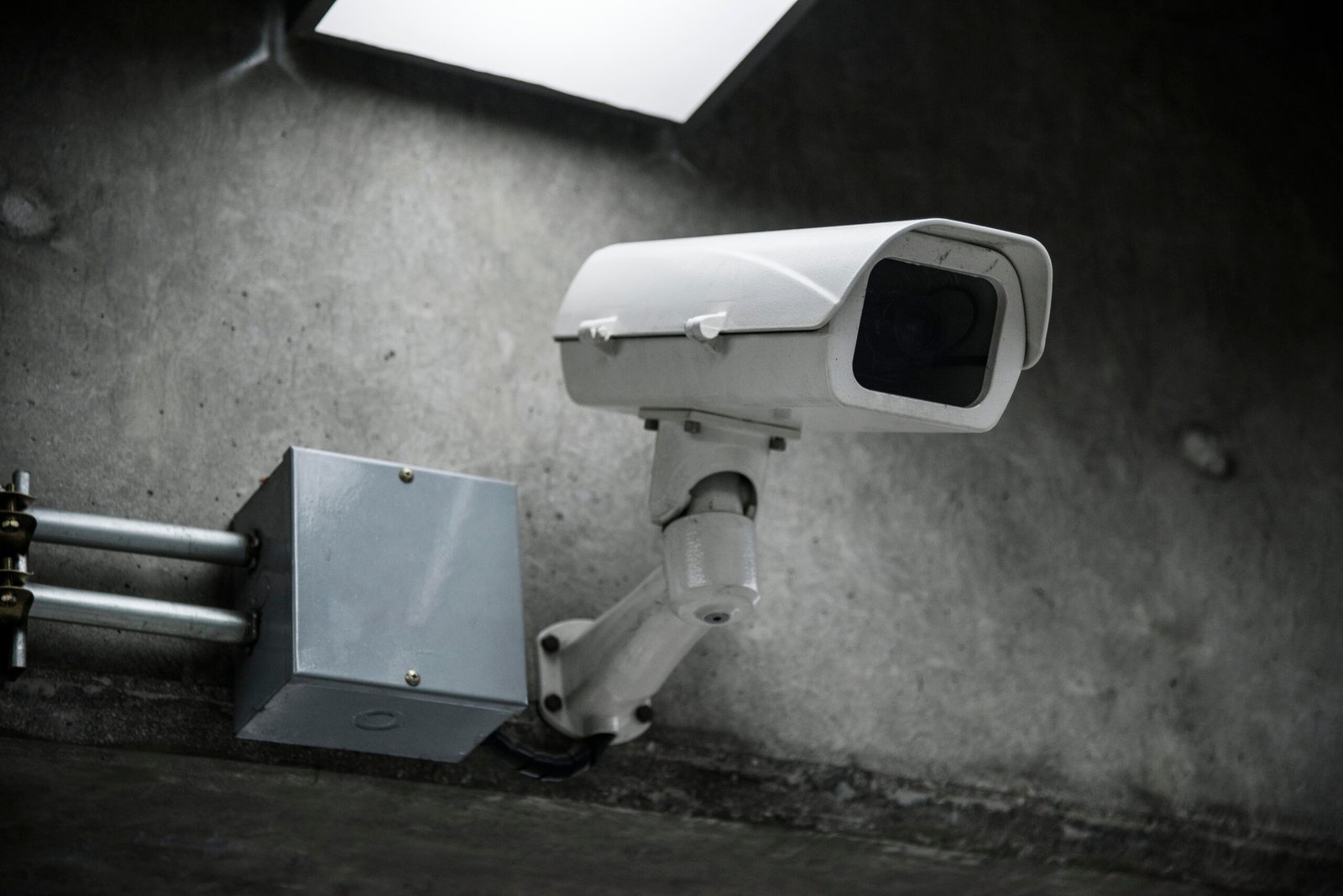
What Businesses Should Know About CCTV Monitoring Costs
CCTV monitoring isn’t a luxury — it’s a safeguard. Every business, from a retail store to a logistics hub, relies on surveillance to keep assets, staff, and operations secure. Yet one question always comes up: what does CCTV monitoring really cost?
The short answer — it depends on what you’re paying for. The long answer — it’s about more than a camera feed. It’s about reliability, response, and compliance.
Understanding What You’re Paying For
The cost of CCTV monitoring reflects far more than just watching screens. It includes technology infrastructure, trained operators, secure data handling, and compliance with privacy laws.
Global CCTV monitoring providers vary in structure — some rely solely on automation, while others (like GCCTVMS) combine advanced systems with real human supervision to detect and respond to threats in real time.
For context, CCTV monitoring supports businesses in retail, construction, healthcare, and residential sectors. These industries depend on round-the-clock visibility to reduce theft, prevent liability issues, and maintain safety standards.
For a full breakdown of how CCTV monitoring works in practice, visit GCCTVMS’s complete guide.
External studies like HR Dive’s report show that remote monitoring has expanded globally across commercial and workplace settings, reflecting a growing need for transparency and safety.
Global Pricing Overview – What Different Providers Charge
CCTV monitoring prices differ across regions, mainly due to labor costs, service models, and compliance rules. Below is an approximate range of what businesses typically pay per camera each month:
- North America: $0.50–$3.00
- Europe: $0.30–$2.50
- Middle East & Asia: $0.15–$1.00
These figures vary because of service scope — not all providers include 24/7 live viewing, secure storage, or human-verified alerts. In fact, Teramind’s article highlights how the global monitoring market has diversified, with companies adapting surveillance models for multiple industries and remote teams.

Low-cost options may seem appealing, but they often limit coverage hours or rely entirely on motion sensors instead of trained security operators — a critical difference that affects response speed.
Types of CCTV Monitoring Services and Their Cost Differences
Not every monitoring plan is the same. Businesses should understand which service they’re paying for:
- Live CCTV Monitoring: Continuous operator oversight with immediate alerts.
- Remote CCTV Monitoring: Off-site control room surveillance, ideal for multi-location setups.
- Event-Based Monitoring: Triggered by alarms or unusual activity.
- 24/7 CCTV Monitoring: Full coverage with real-time response and escalation procedures.
Each level carries its own cost because of manpower, infrastructure, and data handling. You can explore these service tiers in detail at GCCTVMS Remote CCTV Monitoring 24/7 Security.
What Makes a Professional CCTV Monitoring Company Worth the Price
The true value of a CCTV monitoring company lies in how quickly it can detect and act. Professional providers maintain:
- Human operators who verify every alert before escalation.
- Compliance with data protection and privacy laws.
- Technical reliability — high uptime and secure remote access.
- Evidence retrieval for law enforcement and internal audits.
An example from Edge Business Security Cameras explains how retrieving high-quality video evidence can make or break an investigation.
Professional-grade monitoring isn’t about cutting corners; it’s about consistent, verified protection that pays off in reduced losses and faster incident resolution.
For a closer look at 24/7 live operator systems, visit GCCTVMS Live CCTV Monitoring Services.
Comparing Global Providers – Pricing vs Performance
When comparing CCTV monitoring providers globally, you’ll see three broad categories:
- Entry-Level Providers
- Automated alerts only.
- Limited response and coverage hours.
- Lowest cost, lowest reliability.
- Automated alerts only.
- Mid-Tier Providers
- Combination of motion detection and part-time human monitoring.
- Moderate pricing, average response.
- Combination of motion detection and part-time human monitoring.
- Premium Providers (like GCCTVMS)
- Real-time human oversight 24/7.
- Secure data centers and fast escalation.
- Transparent global pricing.
- Real-time human oversight 24/7.
For example, Synology’s surveillance solution focuses on scalable, multi-site control, showing how enterprise systems combine centralized monitoring with site-level independence — a model GCCTVMS also supports globally.
GCCTVMS Pricing Model – Transparent, Scalable, and Global
GCCTVMS operates on a clear per-camera pricing model, ensuring fairness and scalability across industries.
- Retail: $0.20 per camera (for 100+ cameras)
- Wholesale: $0.15 per camera (volume-based flexibility for large-scale monitoring)
This structure is designed for global businesses that need reliable, transparent pricing without hidden fees or regional markups.
You can review all available services here: GCCTVMS Services.
GCCTVMS isn’t a low-cost provider — it’s a professional partner offering dependable coverage, real-time visibility, and consistent performance at a fair rate.
Why Businesses Choose Scalable CCTV Monitoring
Businesses in every sector depend on scalable monitoring to reduce theft, secure assets, and strengthen operations.
Use cases include:
- Retail: Preventing internal theft and shoplifting.
- Construction: Protecting high-value equipment and remote sites.
- Healthcare: Monitoring patient safety zones.
- Warehouses: Tracking access points and loading areas.
For a real-world view of active video surveillance, LVT’s case study demonstrates how live systems prevent loss and ensure compliance in commercial spaces.
GCCTVMS supports this level of performance globally, adapting to each industry’s unique security needs.
To understand why businesses continue investing in proactive monitoring, visit Why Businesses Invest in Remote CCTV Monitoring Services.
How to Estimate Your CCTV Monitoring Cost
To calculate monitoring costs effectively:
- Count your total cameras.
- Identify coverage hours needed (business hours vs 24/7).
- Factor in location type and response level.
- Compare regional rates with GCCTVMS’s transparent model.
By multiplying your camera count by GCCTVMS’s rate, you get an accurate, predictable estimate.
For instance, a site with 200 cameras at $0.20 per camera equals $40 per month — simple, transparent, and scalable.
For further insights into security savings, read How 24/7 Remote CCTV Monitoring Protects Your Assets.
Final Thoughts – Paying for Real Security, Not Just a Service
CCTV monitoring isn’t about cutting costs — it’s about ensuring real-time protection and accountability.
Professional monitoring gives business owners peace of mind knowing incidents are handled the moment they happen.
GCCTVMS stands out because of its transparency, trained operators, and flexible pricing model. It offers consistent value across all industries — retail, healthcare, construction, and logistics — with scalable solutions that protect what matters most.
If you’re reviewing your current CCTV monitoring provider, it’s worth comparing performance, response speed, and transparency. Real security starts with clarity — and GCCTVMS delivers both.
