





Professional Remote CCTV Monitoring Services: Choosing Operators Who Actually Protect Your Property
You’ve installed cameras. You’ve spent money on equipment. You’re watching footage after break-ins happen. But here’s the problem—recording evidence doesn’t stop theft. It documents loss.
The difference between cameras that record and cameras that protect comes down to one thing: who’s watching them and what they do when threats appear. Professional remote CCTV monitoring services put trained operators between your property and criminals. These aren’t teenagers watching screens between social media scrolls. They’re security professionals who recognize suspicious behavior, intervene before damage occurs, and coordinate responses that stop incidents in progress.
But the monitoring industry has a problem. Anyone can claim “professional operators” and “expert surveillance.” Marketing sounds identical whether you’re getting trained security specialists or minimum-wage workers covering hundreds of cameras simultaneously. Business owners waste money on services that deliver little more than expensive recording systems.
This matters because your security investment should prevent losses, not just document them. The right remote CCTV monitoring services with genuinely professional operators reduce theft, deter criminals before they act, and respond effectively when incidents occur. The wrong choice leaves you paying monthly fees for surveillance theater that fails when you need protection most.
Understanding what separates professional monitoring from pretenders requires looking beyond marketing claims to operator qualifications, response protocols, and measurable performance. Let’s examine what makes remote CCTV monitoring services genuinely professional and which providers deliver real security rather than surveillance illusions.
What Professional Operators Actually Do
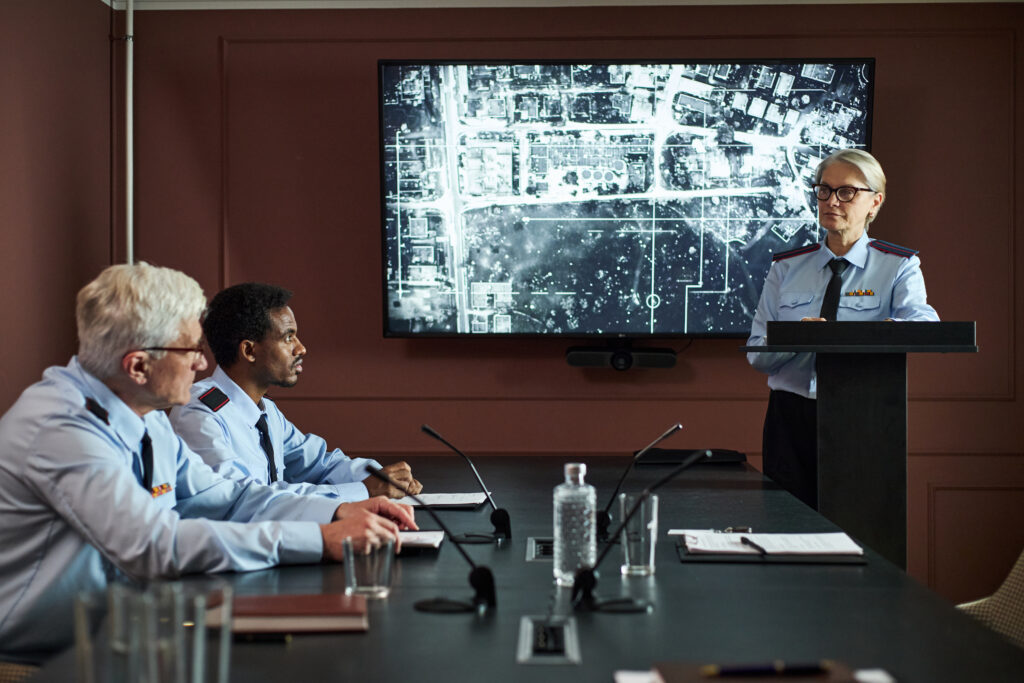
Professional CCTV monitoring operators work from secure operations centers watching live camera feeds from multiple properties. When your motion sensors trigger or analytics detect unusual activity, alerts route to operators who assess situations using multiple camera angles, thermal imaging where available, and behavioral analysis training.
Their response depends on threat assessment. Someone approaching your business entrance during operating hours receives different attention than individuals forcing doors at 3 AM. Operators distinguish delivery drivers from burglars, employees from intruders, customers from shoplifters. This discrimination prevents the false alarm plague that makes police ignore security alerts.
When operators identify genuine threats, they intervene immediately. Two-way audio systems let them challenge intruders directly—”You are being monitored. Leave the premises immediately. Police have been contacted.” This verbal intervention stops most criminals who expected unmonitored targets. Simultaneously, operators contact designated keyholders, alert emergency services with specific threat descriptions, and document everything for evidence and insurance claims.
Professional monitoring differs fundamentally from recorded surveillance because operators act during incidents rather than reviewing footage afterward. This proactive approach prevents losses rather than merely documenting them. Research from the U.S. Department of Justice examining 40 years of CCTV surveillance demonstrates that actively monitored systems achieve significantly better crime prevention than passive recording.
But operator effectiveness depends entirely on training, attention capacity, and response protocols. An overwhelmed operator managing 200 simultaneous camera feeds can’t provide the same attention as operators responsible for 20-30 properties. Understanding these operational realities helps evaluate whether monitoring services deliver professional protection or diluted surveillance.
Operator Qualifications That Actually Matter
Marketing promises “trained professionals” mean nothing without specific credentials. Professional remote CCTV monitoring operators should meet minimum qualification standards that legitimate companies readily verify.
Security licensing represents the baseline. In the UK, operators require Security Industry Authority (SIA) licensing demonstrating they’ve passed background checks, completed approved training, and maintain professional standards. The UK government’s standards for security operatives outline behavioral expectations and professional requirements that licensed operators must meet. Other regions have equivalent licensing—companies operating internationally should demonstrate operators hold appropriate credentials for their jurisdictions.
Beyond licensing, professional operators complete specialized training in threat recognition, de-escalation techniques, emergency response coordination, and legal compliance. Quality providers offer continuing education ensuring operators stay current on evolving threats, technology capabilities, and response best practices. Professional security training programs provide structured curricula covering these competencies rather than basic “here’s how to use the software” orientation.
Operators with law enforcement, military, or security backgrounds bring additional threat assessment expertise, though dedicated training specific to remote monitoring can prove equally valuable. What matters is documented training hours, regular performance evaluations, and clearly defined competency standards.
When evaluating monitoring services, request specific operator qualification information:
- What licensing do operators hold and can you verify it?
- How many training hours do new operators complete before monitoring independently?
- What ongoing training maintains operator competency?
- What operator-to-camera ratios ensure adequate attention?
- Can you speak with actual operators or tour monitoring facilities?
Companies with genuinely professional operators answer these questions transparently. Vague responses about “highly trained teams” without specifics indicate you’re paying premium prices for basic service.
Monitoring Centre Standards and Operations
Professional operators require professional infrastructure. Monitoring centre operations directly impact service reliability and response effectiveness. Understanding what separates legitimate operations from glorified call centers helps identify quality providers.
Certified monitoring centers meet industry standards for physical security, redundant systems, and operational procedures. Accreditation from organizations like NSI Gold, BSIA, or regional equivalents requires regular audits verifying centers maintain equipment standards, backup systems, operator training, and documented procedures. These certifications aren’t marketing badges—they represent verified operational competency.
Physical infrastructure includes redundant internet connections preventing single points of failure, backup power systems maintaining operations during outages, and secure facilities protecting against unauthorized access. Professional centers operate multiple shifts ensuring 24/7 coverage without gaps during transition periods. Operators work manageable schedules avoiding fatigue that degrades attention and response quality.
Technology platforms determine what operators can actually accomplish. Advanced systems integrate video analytics, access control, alarm systems, and two-way audio in unified interfaces. Operators see comprehensive property information—site maps, emergency contacts, special instructions, previous incident history—enabling informed response decisions. Mobile applications let property owners view live feeds and receive real-time incident notifications.
Response protocols define operator actions during different threat levels. Professional services maintain documented procedures that operators follow consistently. These protocols specify when to issue audio warnings, contact keyholders, request police response, or activate on-site alarm systems. Clear escalation paths ensure appropriate responses match threat severity.
Critically, professional monitoring centers maintain low operator-to-property ratios ensuring adequate attention. Industry best practices suggest operators manage 20-40 simultaneous connections depending on property complexity and activity levels. Services cramming 100+ properties per operator sacrifice attention quality for profit margins—operators simply can’t monitor that many feeds effectively.
Industry-Specific Monitoring Expertise
Generic monitoring operators watching your retail store apply the same protocols they use for construction sites and residential properties. But retail theft looks different from equipment theft, which differs from residential burglary. Professional monitoring services develop industry-specific expertise recognizing threat patterns unique to different environments.
Retail monitoring operators understand shoplifting behaviors—concealment techniques, distraction methods, organized retail crime patterns. They recognize when someone browsing merchandise displays suspicious behavior versus normal shopping. During closing procedures, operators verify proper securing protocols reducing employee theft opportunities.
Warehouse and logistics monitoring requires understanding cargo theft patterns, driver verification procedures, and loading dock security protocols. Operators track vehicle movements, monitor perimeter security, and identify unauthorized access attempts that could compromise inventory. They coordinate with management during delivery windows ensuring proper documentation while maintaining security.
Construction sites face equipment theft, trespassing, and vandalism requiring operators who understand site access patterns and can distinguish contractors from criminals. Temporary monitoring solutions must deploy quickly as projects begin and relocate as sites change—flexibility that generic providers struggle to accommodate.
Healthcare facilities need operators trained in patient privacy, controlled substance security, and workplace violence recognition. Monitoring must balance security requirements with regulatory compliance and patient care sensitivity that healthcare environments demand.
Residential monitoring for homeowners and estates requires discretion and privacy respect that commercial monitoring doesn’t emphasize. Operators need protocols for distinguishing family members from intruders, managing visitor access, and responding to package deliveries without intrusive oversight.
Small business monitoring often requires customized approaches combining commercial security with personal property protection—operators who understand owner-operated businesses handle situations differently than corporate chain protocols.
Providers with industry-specific training and documented experience in your sector deliver more effective monitoring because operators recognize relevant threats and respond appropriately. When evaluating services, prioritize companies demonstrating expertise in environments similar to yours rather than generalist providers treating all properties identically.
Technology Integration and Capabilities
Professional remote CCTV monitoring services leverage technology that enhances operator effectiveness rather than replacing human judgment. Understanding these capabilities helps evaluate whether providers offer genuinely advanced monitoring or simply market technological features they barely utilize.
Video analytics automate initial threat detection, flagging unusual activity for operator review. Quality systems distinguish humans from animals, identify vehicles, detect perimeter breaches, and recognize behavior patterns indicating potential threats. Analytics reduce operator workload filtering false alarms while ensuring genuine incidents receive immediate attention. However, research on surveillance cameras and crime emphasizes that technology effectiveness depends heavily on how operators utilize available tools.
Two-way audio capabilities let operators communicate directly with individuals on your property. This intervention tool stops many crimes before damage occurs—verbal challenges make criminals realize they’re actively monitored, typically causing immediate retreat. Audio also enables operators to assist legitimate visitors, provide directions, or verify identities before granting access.
Remote camera control through pan-tilt-zoom (PTZ) capabilities allows operators to track suspicious individuals, zoom in for identification details, or survey different property areas during incidents. Fixed cameras limit operator response while controllable cameras extend monitoring effectiveness across larger premises.
Cloud-based platforms enable property owners to access live feeds, review recorded footage, and receive real-time incident notifications through mobile applications. Transparency helps owners verify monitoring quality and stay informed about property security without constant manual checking.
Integration with existing security infrastructure connects monitoring services to alarm systems, access control, motion sensors, and environmental detectors. Unified platforms give operators comprehensive property awareness—triggered alarms automatically display relevant cameras while operator notes link to specific incidents creating searchable security histories.
However, technology only matters if operators use it effectively. Sophisticated systems wasted on undertrained operators or services with inadequate operator attention deliver little advantage over basic surveillance. Evaluate both technological capabilities and how providers train operators to leverage available tools.
Compliance and Regulatory Requirements
Professional remote CCTV monitoring services navigate complex regulatory environments affecting how surveillance operates legally. Understanding compliance requirements helps identify providers who protect you from legal exposure versus those creating liability risks.
Surveillance compliance standards vary by region and industry but share common themes: data protection, privacy rights, recording limitations, and proper use restrictions. Providers must demonstrate they handle video data securely, restrict operator access appropriately, retain footage for legally compliant periods, and respond properly to data subject access requests.
Data encryption protects video feeds during transmission and storage preventing unauthorized access. Professional monitoring services implement end-to-end encryption, secure authentication, and regular security audits ensuring surveillance systems don’t create cybersecurity vulnerabilities. Given that security cameras represent attractive targets for hackers seeking premises access or video data, robust cybersecurity isn’t optional for professional services.
Privacy protections require operators follow protocols respecting individual rights while maintaining effective security. This includes proper camera positioning avoiding areas where privacy expectations exist, clear signage informing people about surveillance, and documented procedures for handling footage containing personal information.
Regulated industries face additional compliance requirements. Healthcare facilities must ensure monitoring doesn’t violate patient privacy protections. Financial institutions need surveillance meeting banking security standards. Retail operations must comply with employee monitoring restrictions. Professional monitoring services understand these industry-specific requirements and operate within applicable frameworks.
Service contracts should specify compliance responsibilities, liability allocation, data handling procedures, and operator conduct standards. Vague agreements leaving compliance undefined create risk when incidents trigger regulatory scrutiny. Professional providers offer clear contractual language demonstrating they understand legal obligations and accept appropriate responsibility.
Cost Versus Value: What Professional Monitoring Actually Costs
Professional remote CCTV monitoring services cost more than basic recording packages, but understanding pricing helps distinguish reasonable premiums from exploitative overcharging. Monitoring service costs vary based on camera quantities, monitoring hours, service levels, and feature requirements, but general patterns emerge.
Basic monitoring with slower response times and higher operator-to-property ratios typically costs £50-150 monthly for small installations. Premium services offering faster response, lower operator ratios, and enhanced features range £150-500 monthly for standard commercial properties. Large facilities, multiple locations, or specialized requirements increase costs proportionally. Installation and equipment expenses add upfront investment if existing infrastructure needs upgrades enabling remote monitoring.
These costs represent ongoing expenses requiring budget allocation, but comparing monitoring fees against potential losses provides perspective. Retail businesses losing £10,000+ annually to theft find £200 monthly monitoring extremely cost-effective if it reduces losses by even 25%. Construction companies facing £50,000 equipment theft find £400 monthly monitoring trivial insurance against catastrophic loss.
The value calculation should consider prevented losses, insurance premium reductions often granted for professionally monitored systems, reduced security guard costs if monitoring replaces some physical patrol needs, and liability protection from documented security measures demonstrating due diligence.
However, costs only justify value when monitoring actually works. Cheap services with poor operator training, excessive false alarms, and slow response times waste money regardless of low monthly fees. Professional monitoring that prevents incidents delivers exponentially better returns than surveillance theater that only documents losses.
When comparing costs, evaluate total value including operator qualifications, response guarantees, technology capabilities, and provider reputation. The cheapest option rarely delivers best value—but the most expensive doesn’t automatically justify premiums either. Transparent pricing, clear service level agreements, and verifiable performance metrics help assess whether costs align with delivered value.
GCCTVMS: Professional Operators Delivering Real Security
GCCTVMS operates with a fundamental principle: security monitoring should prevent incidents, not just record them. The company employs trained security professionals in certified monitoring centers who actively protect client properties rather than passively watching screens.
Operator qualifications meet professional standards including security licensing, documented training programs, and ongoing professional development. New operators complete comprehensive training covering threat recognition, response protocols, emergency coordination, and customer communication before monitoring independently. Regular performance evaluations ensure operators maintain competency standards while continuing education addresses evolving security challenges.
Monitoring centers maintain industry certifications demonstrating operational competency verified through regular audits. Redundant systems, backup power, and secure facilities ensure continuous operations even during technical failures or emergencies. Operators work manageable schedules with attention-focused property allocations ensuring your premises receive adequate monitoring attention.
GCCTVMS services include 24/7 live monitoring with two-way audio intervention, video verification reducing false alarms, rapid incident response coordination, and comprehensive documentation supporting insurance claims and legal proceedings. Technology integration connects existing camera systems with advanced monitoring platforms without requiring complete equipment replacement in most cases.
Industry-specific expertise means operators understand security challenges unique to retail operations, warehouse facilities, construction sites, healthcare environments, and residential properties. This specialized knowledge delivers more effective threat recognition and appropriate response compared to generic monitoring approaches.
Service transparency allows clients to verify monitoring quality through mobile access to live feeds, regular performance reports documenting response times and incident handling, and open communication with monitoring teams. Contracts specify clear service levels, response guarantees, and compliance responsibilities eliminating ambiguity about what you’re purchasing.
Professional monitoring shouldn’t be mysterious or unverifiable. GCCTVMS welcomes questions about operator qualifications, facility tours when feasible, and detailed discussions about security requirements ensuring services match your specific needs. This transparency demonstrates confidence in service quality that companies delivering mediocre monitoring avoid.
Taking Action: Selecting Your Monitoring Partner
Choosing remote CCTV monitoring services with professional operators requires evaluating specific criteria beyond marketing promises. Start by requesting detailed information about operator qualifications—companies with genuinely trained professionals answer these questions readily while those making empty claims deflect with vague responses.
Verify certifications by checking directly with issuing organizations rather than trusting provider claims. NSI, BSIA, SIA, and equivalent bodies maintain public databases confirming valid accreditation. This verification takes minutes but eliminates providers falsely claiming credentials.
Request site assessments from shortlisted providers. Professional services send knowledgeable consultants who evaluate your premises, understand security requirements, and propose appropriate solutions rather than generic packages. Assessment quality indicates service quality—thorough evaluations suggest attentive monitoring while rushed visits signal you’re just another contract.
Review service agreements carefully before signing. Contracts should specify response time guarantees, operator qualification requirements, equipment maintenance responsibilities, data handling procedures, and termination terms. Ambiguous agreements create disputes when expectations don’t match delivered service.
Check references from clients with similar properties. Providers serving your industry for years demonstrate expertise that newcomers or generalist companies lack. References reveal service reliability, communication quality, incident handling effectiveness, and contract satisfaction beyond what marketing materials claim.
Consider trial periods if available. Some providers offer month-to-month contracts or short-term trials letting you evaluate service quality before long-term commitments. This flexibility benefits both parties—you confirm monitoring meets expectations while providers demonstrate service quality convincing you to continue.
Professional remote CCTV monitoring services transform surveillance cameras from passive recording devices into active security systems preventing losses rather than documenting them. But this transformation only occurs when professional operators with proper training, adequate attention capacity, and effective technology actually monitor your property.
The investment requires careful provider selection, realistic cost expectations, and understanding what professional monitoring truly means. Avoid the cheapest options offering surveillance theater and the most expensive services overcharging for standard capabilities. Focus on verifiable operator qualifications, transparent operations, appropriate industry expertise, and measurable performance.
Your property deserves protection, not just surveillance. Professional operators make that difference.
Ready to experience professional monitoring with trained operators who actually protect your property? Schedule a free consultation with GCCTVMS to discuss your security requirements and discover how professional remote CCTV monitoring services prevent incidents rather than just recording them.
FAQ’s
What qualifications should professional CCTV monitoring operators have?
Professional CCTV monitoring operators should hold security industry licensing appropriate for their region—SIA licensing in the UK or equivalent credentials elsewhere. Beyond basic licensing, operators need documented training in threat recognition, emergency response coordination, and surveillance technology operation.
What response time should I expect from professional monitoring operators?
Professional monitoring operators should acknowledge alerts within 10-30 seconds and complete initial threat assessment within 60 seconds of notification. Response actions—audio challenges, keyholder contact, police notification—should occur within 2-3 minutes for genuine threats. These timeframes assume properly functioning equipment and normal conditions.
Can professional monitoring services work with my existing security cameras?
Most professional remote CCTV monitoring services support existing camera systems including analog, IP, and hybrid installations from multiple manufacturers. Compatibility depends on camera specifications, recording equipment capabilities, and network infrastructure.
What differentiates professional monitoring from DIY surveillance apps?
Professional monitoring employs trained security operators who actively watch live feeds, assess threats in real-time, and intervene during incidents through audio warnings and emergency coordination. DIY surveillance apps provide camera access to property owners but rely on you to monitor feeds personally and respond to alerts—which most people cannot do consistently.
