


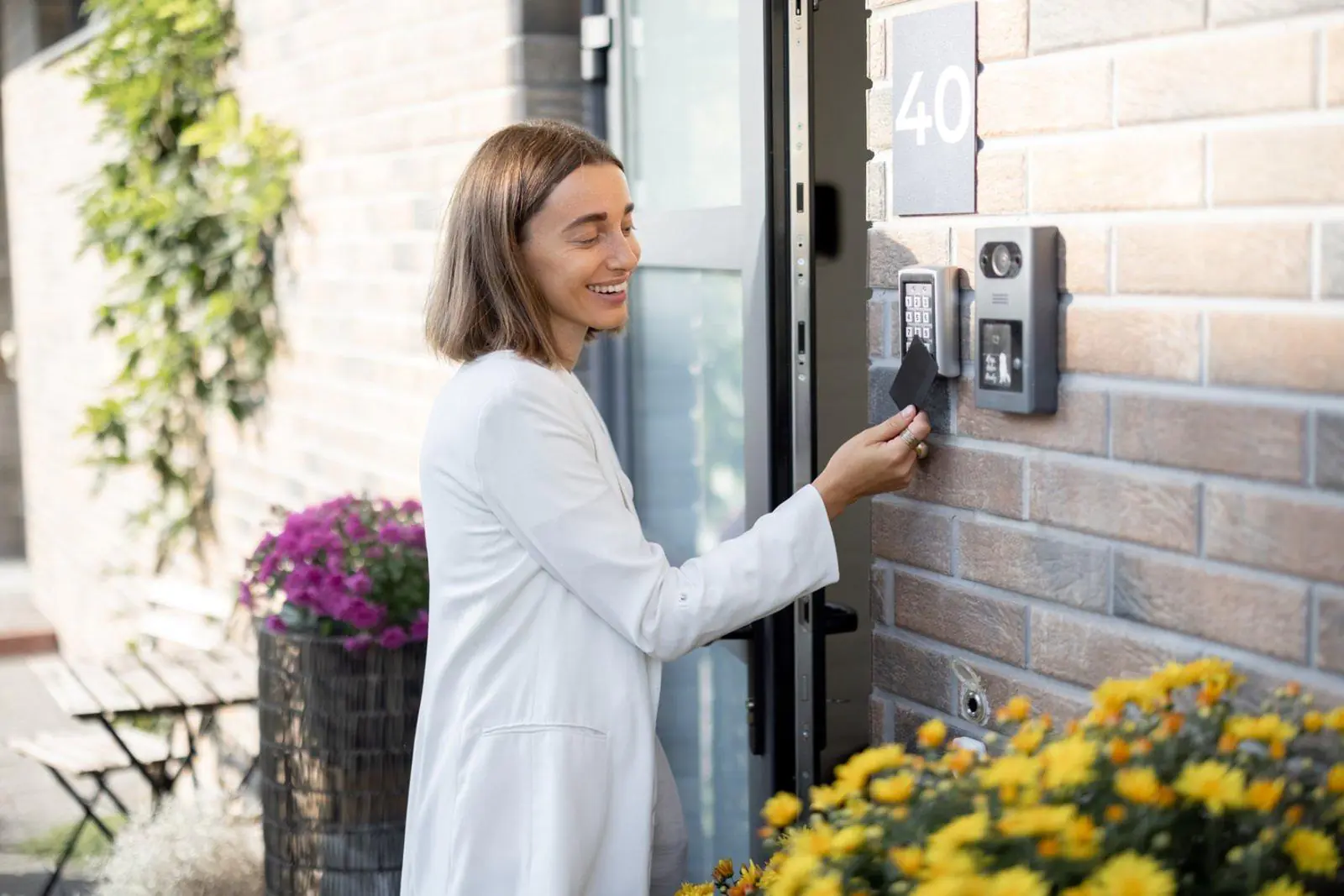
Virtual Doorman Services for Residential Buildings: Complete Guide
Table of Contents
ToggleA Manhattan co-op board president faced a difficult decision. Their longtime doorman retired after 22 years. Hiring a replacement meant $85,000 annually in salary, plus benefits, uniforms, and sick leave coverage. The building’s reserve fund couldn’t absorb this expense without significantly raising maintenance fees.
A board member suggested virtual doorman services as an alternative. Half the board dismissed the idea immediately. “Residents expect a person at the desk,” one member argued. “Is the virtual doorman safe enough for our building?” another asked. The president needed answers about how remote doorman technology actually works in residential settings—and whether doorman services could truly be delivered without someone physically present.
This scenario plays out in residential buildings across the country, particularly in NYC, where doorman buildings carry premium expectations. Understanding virtual doorman services helps property managers make informed decisions, balancing resident safety, service quality, and virtual doorman cost.
What Virtual Doorman Services Include for Residential Buildings
The Work of a Doorman Delivered Remotely
Traditional doorman duties translate effectively to virtual delivery. According to industry experts, virtual doorman services cover visitor screening, package management, resident communication, and emergency response—all performed remotely from professional monitoring centres.
The work of a doorman in a virtual format includes greeting visitors through video intercoms, verifying identities, and contacting residents for access authorisation. Package coordination occurs through communication with delivery drivers and by notifying residents. Emergency situations trigger immediate response from trained operators.
Learn more about what a virtual doorman does in residential applications. The work of a doorman remains consistent whether delivered physically or remotely—only the delivery method changes.
Virtual Doorman Technology in Residential Settings
Remote doorman systems combine video intercoms at building entrances with centralized monitoring centers. Two-way audio enables operators to communicate with visitors naturally. Access control integration allows remote doorman operators to unlock doors for authorized guests.
Residents connect through mobile apps receiving visitor notifications and delivery alerts. This technology enables virtual doorman services to function continuously without physical presence at the front desk.
Virtual Doorman Services vs Traditional Doorman Services
Service Comparison
Physical doorman services provide on-site presence during scheduled shifts. Doorman services through virtual delivery provide continuous coverage from monitoring centers. According to doorman security analysis, both approaches achieve similar security outcomes through different methods.
Traditional doorman services require shift coverage, break relief, and sick day replacements. Virtual doorman services eliminate these gaps through multiple operator backup. The work of a doorman gets performed consistently without staffing interruptions.
However, physical doorman services offer benefits that virtual delivery cannot match. Personal relationships with residents develop over time. Physical package handling and assistance for elderly residents requires on-site presence.
When Virtual Doorman Services Make Sense
Virtual doorman services fit buildings in specific situations:
- Properties without current doorman services are seeking security upgrades
- Buildings replacing retiring doorman staff at a lower cost
- Budget-constrained properties needing professional doorman services
- Buildings with inconsistent coverage gaps during nights or weekends
- Properties seeking 24/7 doorman services that they couldn’t otherwise afford
Review daily responsibilities of a virtual doorman to understand service scope for your building type.
When Traditional Doorman Services Remain Preferable
Some buildings benefit more from physical presence:
- Ultra-luxury properties with concierge-level expectations
- Buildings requiring physical package handling and storage
- Properties with elderly residents needing mobility assistance
- Buildings with complex lobby management beyond visitor screening
Is Virtual Doorman Safe for Residential Buildings?
Virtual Doorman Safe Protocols
Resident safety concerns drive most questions about virtual doorman. Property managers ask whether virtual doorman safe measures adequately protect residents compared to physical presence.
Visitor screening fundamentals apply equally to virtual and physical doorman services. Virtual doorman safe protocols include video verification of every visitor, resident confirmation before access authorization, and documented denial of unauthorized individuals.
Virtual doorman operators monitor entrances continuously without fatigue, breaks, or distractions affecting physical doorman staff. This consistency makes virtual doorman safe for most residential applications.
Security Advantages of Virtual Doorman Services
Virtual doorman services offer security benefits physical presence cannot:
- No coverage gaps during breaks, meals, or shift changes
- Multiple operator backup from monitoring centers
- Consistent alertness without fatigue factors
- Recorded video interactions for accountability
- Remote doorman operators trained specifically for security response
Two-way audio enables operators to verbally intervene when suspicious activity occurs. This virtual doorman safe feature deters threats before incidents escalate.
Addressing Virtual Doorman Safe Concerns
Physical deterrence differs between virtual and traditional doorman services. Visible human presence at a desk discourages some opportunistic threats that cameras alone may not prevent.
However, professional remote doorman monitoring with rapid police coordination often provides faster emergency response than physical doorman staff attempting to manage situations alone.
Understanding virtual doorman responsibilities clarifies what virtual doorman safe protocols cover.
Virtual Doorman Cost for Residential Buildings
Virtual Doorman Cost Breakdown
Virtual doorman cost varies by building size and service level. According to comprehensive service analysis, typical virtual doorman cost ranges include:
- Small buildings (under 50 units): $300-$600 monthly
- Mid-size buildings (50-150 units): $600-$1,000 monthly
- Large buildings (150+ units): $1,000-$1,500 monthly
Equipment installation adds a one-time virtual doorman cost of $2,000 to $10,000, depending on the number of entrances and existing infrastructure.
Virtual Doorman Cost vs Traditional Doorman
Traditional doorman services cost $60,000-$120,000 annually when including salary, benefits, payroll taxes, uniforms, and coverage for absences. Virtual doorman costs range from $3,600 to $18,000 annually for equivalent 24/7 coverage.
This 70-85% cost reduction makes virtual doorman services accessible to buildings that could never afford traditional doorman services. Buildings currently paying for doorman services can redirect savings to other property improvements.
Virtual Doorman Cost Factors
Several factors affect the virtual doorman cost:
- Building size and entrance count
- Coverage hours (24/7 vs business hours only)
- Service tier and included features
- Contract length commitments
- Equipment and installation requirements
Learn how to pick the best virtual doorman services while optimising virtual doorman cost.
Virtual Doorman NYC: Considerations for New York Buildings
Virtual Doorman NYC Market Overview
NYC residential buildings are increasingly adopting virtual doorman services as traditional doorman costs rise. Properties in Manhattan, Brooklyn, and Queens face particular pressure to balance resident expectations with budget realities.
Virtual doorman adoption in NYC accelerates in co-ops and condos, where boards control security decisions. Buildings transitioning from part-time doorman coverage to 24/7 virtual doorman services gain significant security improvements at a lower cost.
NYC-Specific Virtual Doorman Requirements
Virtual doorman nyc installations must comply with local building codes and fire safety regulations. Systems integrate with existing building infrastructure including elevator controls and fire alarm systems.
Union considerations affect virtual doorman nyc decisions in buildings with existing doorman staff. Some properties implement virtual doorman services for overnight and weekend coverage while maintaining daytime physical presence.
Virtual doorman nyc providers must understand local market expectations. NYC residents accustomed to doorman buildings expect professional service regardless of delivery method.
Virtual Doorman NYC Provider Selection
Leading virtual doorman providers serving the NYC market understand local requirements. Virtual doorman nyc expertise includes familiarity with building regulations, response coordination with NYPD and FDNY, and service standards matching NYC resident expectations.
Compare top remote doorman services for 2025 to evaluate virtual doorman nyc options.
Remote Doorman Technology and Operations
Remote Doorman System Components
Remote doorman systems require specific technology at building entrances. Video intercoms with high-resolution cameras enable clear visitor identification. Two-way audio supports natural conversation between operators and visitors.
Access control integration allows remote doorman operators to grant entry without resident involvement when appropriate. Building management software connects remote doorman systems with property operations.
Remote Doorman Daily Operations
Remote doorman operators handle visitor arrivals throughout each shift. When someone approaches the entrance, operators initiate contact through the intercom system. Visitor verification follows established protocols before access decisions.
Package deliveries get coordinated between remote doorman operators, couriers, and residents. Operators provide delivery instructions and notify residents when packages arrive.
Emergency detection triggers immediate remote doorman response. Operators contact emergency services, guide first responders to building locations, and communicate with affected residents.
Implementing Virtual Doorman Services in Residential Buildings
Assessment and Planning
Implementation begins with building a suitability evaluation. Properties assess entrance configurations, existing security infrastructure, and resident communication needs.
Resident communication strategy matters significantly for the adoption of virtual doorman services. Boards should explain service benefits, address concerns, and set realistic expectations before installation.
Installation and Transition
Equipment installation typically takes 1-3 days, depending on the building’s complexity. System configuration and testing ensure reliable operation before going live.
Buildings transitioning from traditional doorman services to virtual doorman require careful change management. Gradual transitions—starting with overnight virtual coverage while maintaining daytime physical presence—help residents adjust.
Explore GCCTVMS services for support with residential virtual doorman implementation.
Residential Building Types Using Virtual Doorman Services
Virtual doorman services serve diverse residential applications:
- Luxury condominiums implementing virtual doorman for visitor management
- Mid-rise apartment buildings adding doorman services affordably
- Co-op buildings replacing traditional doorman with virtual doorman services
- Gated residential communities using remote doorman for access control
- Student housing requiring 24/7 virtual doorman coverage
- Senior living communities integrating virtual doorman safe protocols with emergency response
Each building type benefits differently from virtual doorman services based on resident demographics, security requirements, and budget constraints.
Conclusion
Virtual doorman services provide residential buildings with professional doorman services at a significantly lower virtual doorman cost than traditional staffing. Remote doorman technology enables visitor screening, package management, emergency response, and resident support without physical presence at the front desk.
Understanding whether virtual doorman safe protocols meet your building’s needs requires evaluating resident expectations, security requirements, and budget constraints. Virtual doorman nyc properties face unique considerations around regulations and market expectations.
The work of a doorman translates effectively to virtual delivery for most residential applications. Buildings gain consistent 24/7 coverage, documented interactions, and professional doorman services at 70-85% cost savings.GCCTVMS provides virtual doorman services for residential buildings with sub-20-second response times and 30-day free trials. Contact our team to discuss virtual doorman services for your residential property.
