




The Survival Guide for Security Distributors in 2025
Written by M. Huzaifa Rizwan, Security Writer at GCCTVMS
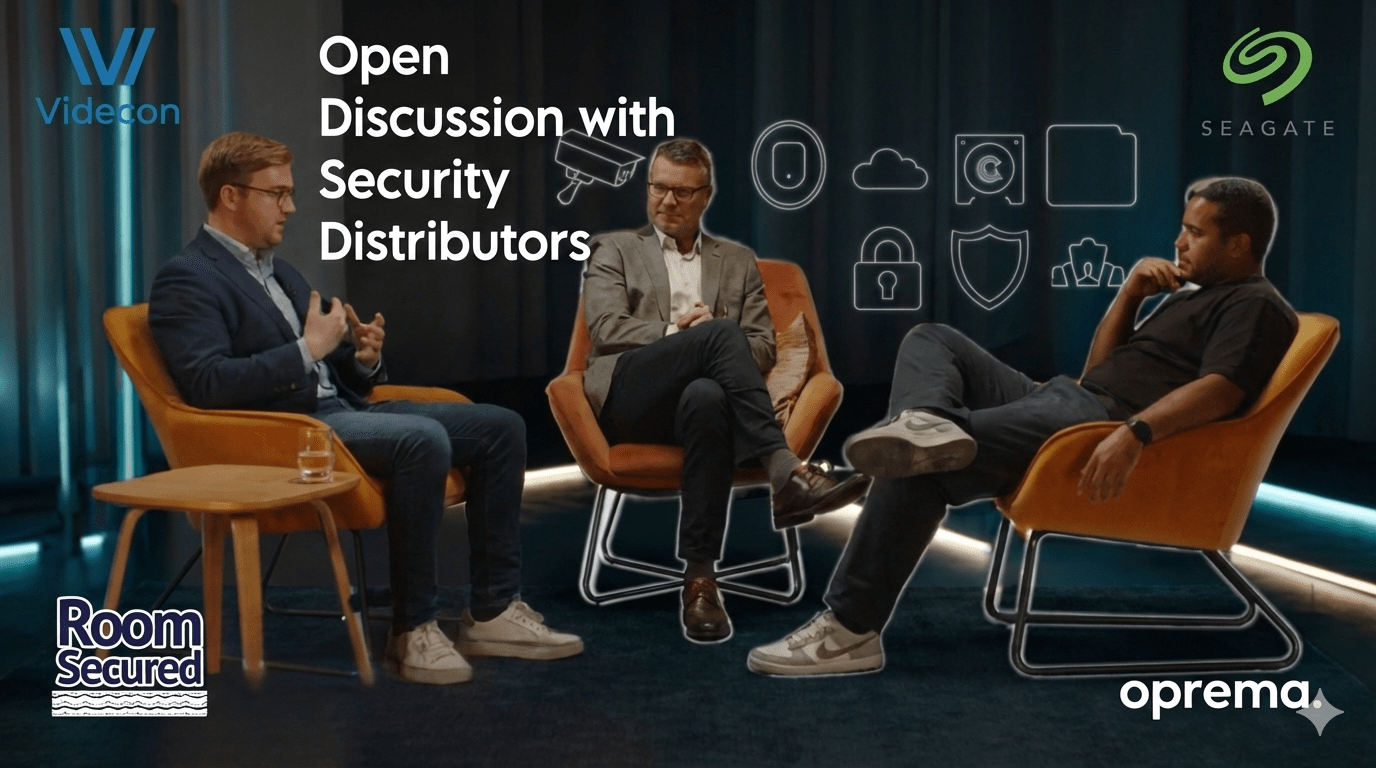
I recently watched an episode of the “Room Secured” podcast featuring representatives from Videcon and Oprema, two major UK security distributors. The conversation struck a nerve. These industry veterans discussed challenges that every surveillance distributor faces today—and their insights deserve attention from anyone operating in this space.
The podcast opened with a discussion about COP, a surveillance distributor whose collapse sent shockwaves through British security circles. What happened to COP offers a brutal lesson for security distributors everywhere.
The COP Collapse: A Wake-Up Call for Every Surveillance Distributor
COP built their entire business around one manufacturer. According to the podcast discussion, an estimated 80-85% of their revenue came from Hikvision products. When that relationship deteriorated, the surveillance distributor faced an immediate existential crisis.
Carl Spencer and other industry voices on the podcast described it as a “shock ripple” affecting security distributors across the UK. Many recognized uncomfortable similarities in their own operations. Video surveillance suppliers watching from the sidelines asked themselves hard questions about their own manufacturer dependencies.
The lesson hits hard: security distributors cannot survive with all eggs in one basket. Single-brand dependency worked when manufacturer relationships remained stable for decades. That era ended. Geopolitical tensions, trade restrictions, and corporate strategy shifts now threaten any surveillance distributor relying too heavily on one partner.
Smart video surveillance suppliers already pivot into fire safety, intruder alarms, and access control. This diversification protects against sudden relationship breakdowns. As one podcast guest stated plainly—diversification determines “life and death” for modern security suppliers.
The Workforce Crisis Nobody Talks About
The podcast shifted to a problem I find equally concerning: the UK security industry’s graying workforce. More engineers leave through retirement or management promotion than enter through training programs.
Brigham Kyle and other speakers highlighted fifteen years of inadequate apprenticeship investment. The most knowledgeable surveillance distributor technicians grew older while replacement pipelines remained empty. Video surveillance suppliers now struggle finding staff who understand both legacy systems and modern IP technology.
New talent enters primarily through IT and electrical backgrounds. These crossover professionals bring valuable skills, but often lack specialized security knowledge. Fire safety expertise proves particularly scarce among newcomers—a serious gap given strict regulations in that sector.
For security distributors, this workforce challenge affects everything. Technical support quality depends on knowledgeable staff. Training programs for installers require experienced instructors. Video surveillance suppliers cannot maintain service standards without skilled teams behind the scenes.
At GCCTVMS, we understand how professional surveillance systems improve security only when backed by trained operators. Technology alone solves nothing. People make security work.
Should the UK Follow Ireland’s Licensing Model?
One podcast segment sparked particular interest. The guests debated whether UK should adopt Ireland’s PSA licensing requirements for security installation.
Currently, UK CCTV regulation remains loose compared to fire safety. Anyone can purchase equipment from a surveillance distributor and install systems without credentials. This creates quality inconsistency damaging the entire industry’s reputation.
Under Ireland’s model, security distributors cannot sell to unlicensed companies. Video surveillance suppliers must verify purchaser credentials before completing transactions. Only qualified professionals handle installations.
Umar Haq and other industry figures see potential benefits. Mandatory licensing would push unqualified installers out of the market. Professional security suppliers would gain competitive advantage. End users would receive better protection from credentialed installers.
The debate continues, but the direction seems clear. Regulation tightening appears inevitable. Security distributors should prepare for compliance requirements rather than resist them.
Cloud Technology: Promise and Reality
The podcast addressed technology transitions affecting every surveillance distributor today. Cloud solutions generate significant buzz, but reality proves more complex than marketing suggests.
Cloud access remains popular. Property owners love checking cameras remotely through smartphone apps. However, cloud-based CCTV recording carries substantial costs. Bandwidth requirements and storage expenses make cloud recording expensive compared to on-premise hardware.
Video surveillance suppliers must offer both options. Some clients benefit from cloud flexibility. Others need on-premise reliability and cost efficiency. Security distributors serving diverse markets cannot commit exclusively to either approach.
The business model shift proves equally significant. The industry moves from Capex (one-off high-cost purchases) toward Opex (subscription-based recurring revenue). Video surveillance suppliers now structure deals resembling Netflix subscriptions rather than traditional equipment sales.
This transition challenges security suppliers accustomed to large upfront transactions. Recurring revenue builds long-term stability but requires operational restructuring. Surveillance distributor sales teams need retraining. Financing arrangements need renegotiation.
Distributors like DVS and others adapt by offering flexible purchasing options alongside traditional sales. Security distributors ignoring this shift risk losing customers to competitors embracing subscription models.
People Still Buy from People
Despite digital transformation, the podcast emphasized one timeless truth: relationships still drive business. Security suppliers cannot automate trust.
Trade shows still deliver ROI. Face-to-face meetings still close deals. Regional branches and trade counters still matter to installers wanting immediate support and “VIP treatment” for their clients.
Yet digital marketing reaches audiences traditional methods miss. Webinars, YouTube tutorials, and even TikTok content connect with installers preferring visual learning over reading manuals. Video surveillance suppliers creating educational content build authority and attract partners.
The balance matters. Surveillance distributor success requires both digital reach and personal relationships. Security distributors who master this combination outperform those relying solely on one approach.
At GCCTVMS, we combine technology with human expertise through 24/7 live CCTV monitoring services. Our video surveillance capabilities demonstrate how professional operators add value beyond what cameras alone provide. The benefits of CCTV surveillance multiply when human judgment supports technological capability.
The Bottom Line for Security Distributors
Watching this podcast reinforced what many industry professionals already sense. The UK security distribution landscape faces fundamental transformation. Surveillance distributor businesses built on old assumptions face serious risk.
Diversification across product categories and manufacturer partnerships protects against sudden disruptions. Workforce investment addresses the graying expertise crisis. Technology adaptation—balancing cloud and on-premise, CAPEX and OPEX—keeps video surveillance suppliers competitive. Relationship building, both digital and personal, maintains market position.
Security distributors who adapt will thrive. Those who ignore these warnings risk becoming the next cautionary tale discussed on industry podcasts.
The choice is clear: diversify or die.
M. Huzaifa Rizwan is a Security Writer at GCCTVMS, covering industry trends, technology developments, and best practices for security professionals worldwide.
FAQ’s
Why did the COP surveillance distributor collapse?
COP concentrated 80-85% of their business with one manufacturer (Hikvision). When that relationship failed, the surveillance distributor faced an immediate existential crisis without diversified revenue streams
How can security distributors protect against single-brand dependency?
Security distributors should expand into fire safety, intruder alarms, and access control systems. Building partnerships across multiple manufacturers protects video surveillance suppliers from sudden relationship breakdowns
What workforce challenges do video surveillance suppliers face in 2025?
The UK security industry faces a graying workforce crisis. Experienced engineers retire faster than apprentices enter. Video surveillance suppliers struggle to find staff with specialized security knowledge beyond basic IT skills
Should UK security suppliers follow Ireland’s licensing model?
Many industry voices support adopting Ireland’s PSA licensing requirements. This would require security distributors to verify purchaser credentials, pushing unqualified installers out and protecting industry reputation
Are surveillance distributor businesses moving to subscription models?
Yes. The industry shifts from Capex (one-off purchases) to Opex (subscription-based) models. Surveillance distributor sales teams now structure deals resembling Netflix subscriptions rather than traditional equipment transactions
