




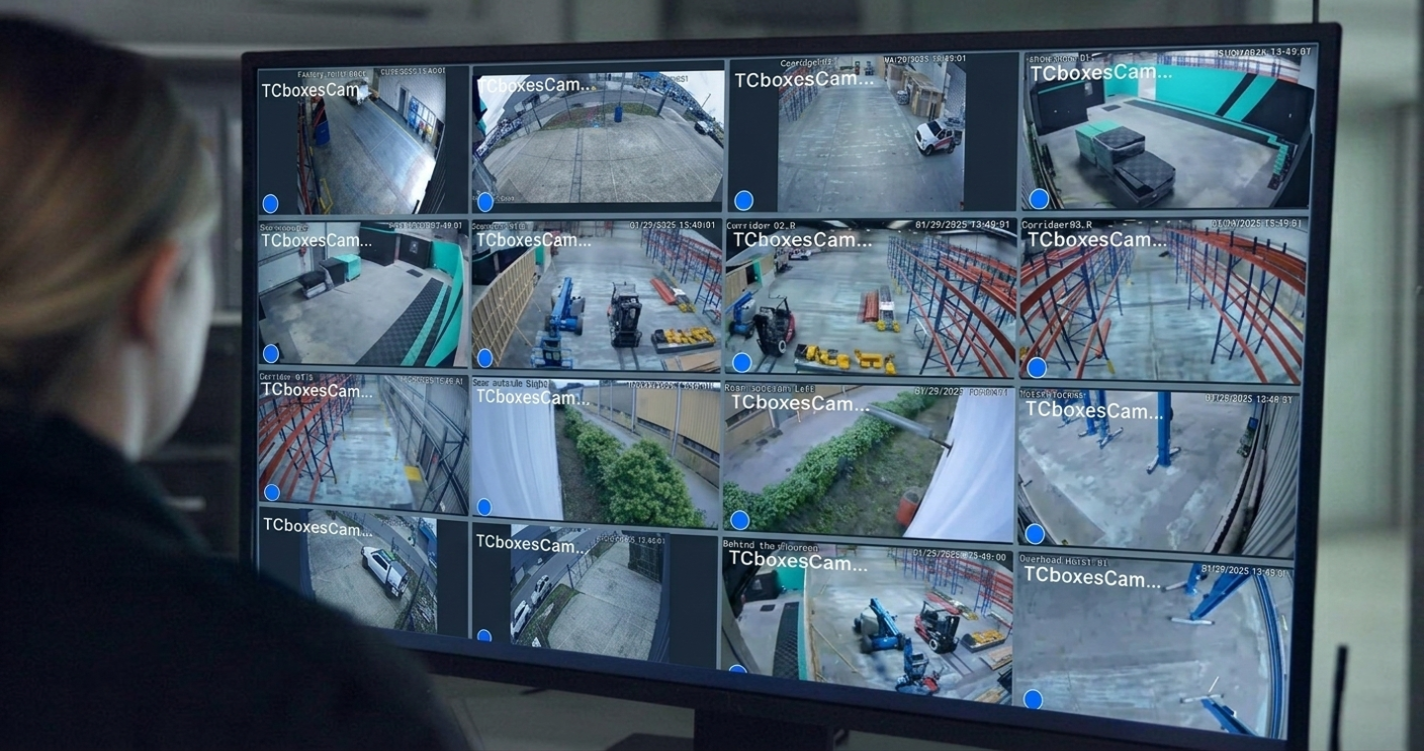
Choosing Virtual Doorman Services: The Complete Selection Guide
Sarah stared at three proposals spread across her desk. Each virtual doorman provider promised the same things: 24/7 coverage, visitor verification, and package management. Yet pricing differed by 40%. One quoted per unit. Another charge per entry point. The third offered a flat monthly rate with unclear add-on fees.
Her HOA board meeting was in two weeks. They expected a defensible recommendation. She didn’t need another article explaining what choosing virtual doorman services means. She needed guidance on choosing virtual doorman services that actually fit her building’s needs. The challenge wasn’t finding providers—it was choosing virtual doorman services confidently from options that all sounded identical.
This guide covers exactly that. Everything you need when choosing virtual doorman services—evaluation criteria, virtual doorman cost comparison, provider red flags, and a decision framework you can apply today.
Why Choosing Virtual Doorman Services Carefully Matters
Poor provider selection creates problems lasting years. Inconsistent service quality frustrates residents. Technology failures leave security gaps at the worst moments. Hidden fees inflate virtual doorman cost beyond approved budgets. Long contracts trap buildings with underperforming providers while complaints pile up.
The differences between providers run deeper than marketing language suggests. Virtual doorman system capabilities vary dramatically. Operator training quality differs significantly. Backup systems and redundancy aren’t standard across the industry. Service scope varies beneath similar-sounding promises.
Choosing virtual doorman services represents a multi-year commitment affecting resident experience, building security, and property value. The selection process deserves structured evaluation—not rushed decisions based on the lowest price or the best sales presentation.
For a complete understanding of what these services include, review our comprehensive virtual doorman services guide covering capabilities, technology requirements, and implementation considerations.
Virtual Doorman System Features That Actually Matter
When choosing virtual doorman services, separate features that matter from nice-to-haves. Start with non-negotiables.
Video Intercom Integration: Two-way video and audio at all entry points. HD quality for reliable visitor identification. Night vision capability for low-light conditions. Without a solid video intercom, the entire system fails its core purpose.
Access Control Integration: Remote door release functionality. Integration with existing electronic locks. Multi-entry point support. Your virtual doorman system must work with your current infrastructure—not require complete replacement.
Response Time Guarantees: Sub-30-second operator response commitment. SLA documentation with accountability measures. Performance reporting you can verify. American Communications notes that response time consistency distinguishes professional providers from budget operations.
Backup and Redundancy: Cellular failover for internet outages. Battery backup for power failures. Redundant monitoring center capability. When primary systems fail, backup systems must work immediately.
Secondary features matter but shouldn’t drive your decision. Mobile apps for residents. Package management notifications. Reporting dashboards. These add value—but only after core capabilities pass evaluation.
Understanding the benefit of virtual doorman helps prioritize which features matter most for your specific building type and resident expectations.
Virtual Doorman Cost: Understanding What You’re Paying
Virtual doorman cost structures vary enough that direct comparison requires effort. Providers use different pricing models, making apples-to-apples comparison difficult without standardization.
Per Unit Pricing: $15-$50 monthly per residential unit. Scales predictably with building size. Common for apartment buildings and condos. Total cost calculation is straightforward once you know unit count.
Per Entry Point Pricing: $150-$500 monthly per monitored entrance. Based on number of access points rather than units. Better economics for buildings with few entries but many units.
Flat Rate Pricing: $300-$2,500 monthly per building. Varies by coverage hours and service scope. Predictable monthly expense but may include limitations on entries or service volume.
When choosing a virtual doorman, compare total annual cost—not just monthly fees. Include equipment and installation costs. Setup and activation fees. Training costs. Ongoing maintenance fees. Per-incident charges, if applicable.
| Cost Component | Provider A | Provider B | Provider C |
| Monthly Fee | $800 | $650 | $950 |
| Setup Cost | $2,500 | $5,000 | $0 |
| Annual Total | $12,100 | $12,800 | $11,400 |
Lowest monthly fee doesn’t equal lowest total virtual doorman cost. Provider C appears most expensive monthly but costs the least annually. This comparison matters.
Hidden costs to identify: equipment upgrade requirements, contract cancellation fees, per-incident response charges, after-hours premium pricing, software update fees, additional entry point charges, training fees for new staff.
Our analysis of virtual doorman service pros and cons covers cost considerations alongside operational benefits and limitations.
Questions to Ask When Choosing Virtual Doorman Providers
Specific questions reveal provider quality faster than marketing materials. Ask these directly and watch how providers respond.
Service Questions:
“What is your guaranteed response time, and what happens if you miss it?” Vague answers without specific SLA commitments signal problems ahead.
“What happens during internet or power outages at my building?” No clear backup system explanation means you’re accepting risk.
“How many buildings does each operator monitor simultaneously?” Unwillingness to disclose ratios suggests unfavorable numbers.
“Can I speak with three current clients in buildings similar to mine?” No references available or only cherry-picked testimonials indicate limited positive experiences.
Virtual Doorman Cost Questions:
“What is the complete first-year cost including all fees?” Inability to provide clear total cost suggests hidden charges will appear later.
“What costs might increase after year one?” Vague answers about price escalations predict budget surprises.
“What are the contract cancellation terms and costs?” Excessive penalties or unclear exit provisions trap buildings in bad situations.
According to BO Security, providers confident in their virtual doorman services answer these questions directly. Evasive responses indicate potential problems you’ll face during service.
Virtual Doorman vs Virtual Concierge: Scope Decision
When choosing virtual doorman services, clarify whether you need pure security focus or expanded concierge services. This scope decision affects both cost and provider selection.
Virtual Doorman covers: Security and access control focus. Visitor verification and entry management. Package and delivery handling. Emergency response coordination. Basic resident assistance.
Virtual Concierge adds: Hospitality and guest services focus. Reservation assistance. Service coordination and requests. Amenity management. Enhanced resident support extending beyond security.
Choose virtual doorman only when your primary need is security and access control, budget constrains service scope, or residents don’t require concierge-level assistance.
Consider virtual concierge when luxury positioning requires hospitality services, residents expect assistance beyond security, building amenities need coordination, or guest experience matters beyond basic access.
Authought’s analysis notes that matching scope to actual building needs—not aspirational amenity lists—prevents paying for unused capabilities.
Our remote concierge page details expanded service options for buildings requiring more than basic doorman functionality.
Red Flags When Choosing Virtual Doorman Providers
Trust red flags during sales. Providers showing warning signs during evaluation will likely disappoint during service.
Sales Process Red Flags: High-pressure tactics pushing quick decisions. Unwillingness to provide detailed proposals in writing. Vague answers to specific questions. No client references available.
Virtual Doorman Cost Red Flags: Pricing significantly below all competitors—usually means inferior service. Hidden fees discovered after initial quote. Unclear total cost calculations.
Virtual Doorman System Red Flags: Outdated technology without recent updates. Limited integration capabilities. No mobile app or poor app reviews. No backup systems for outages.
Contract Red Flags: Long initial terms (5+ years) with no exit. Auto-renewal without notification requirements. Excessive cancellation penalties. Vague service descriptions.
MyVirtualWay emphasizes that transparent providers welcome detailed questions. Those avoiding specifics have reasons for doing so.
Decision Checklist for Choosing Virtual Doorman Services
Use this checklist for objective evaluation when choosing virtual doorman services.
Core Capabilities (Must Pass All):
- Video intercom integration confirmed
- Access control integration confirmed
- Sub-30-second response guarantee documented
- Backup systems for outages verified
- Client references checked and are positive
Virtual Doorman Cost Evaluation:
- Complete first-year cost documented
- All fees are identified and understood
- Budget alignment confirmed
Contract Terms:
- Contract length acceptable (prefer 1-2 years initially)
- Exit provisions reasonable
- SLA guarantees included
- Price escalation capped
Providers failing any core capability criteria shouldn’t be considered regardless of virtual doorman cost advantages.
For residents already using these systems, the resident’s guide to using a virtual doorman system covers daily interaction and getting maximum value from the service.
Making Your Final Choice
Choosing virtual doorman services is choosing a multi-year partnership. The right provider becomes invisible—residents enjoy service without friction, management receives reliable support, and security operates consistently. The wrong provider creates ongoing headaches consuming time and budget. That’s why choosing virtual doorman services deserves a structured evaluation rather than rushed decisions.
GCCTVMS simplifies the process of choosing virtual doorman services with transparent pricing, flexible contract terms, and proven performance across diverse building types. Our intercom monitoring integrates with the existing building infrastructure.
Book a Free 30-minute Consultation to discuss your specific building needs. Or explore our services and Contact our team for detailed proposals.
No pressure. Just honest guidance on choosing virtual doorman services that fit.
Every Security Gap Has a Fix. We Cover All of Them.
24/7 live monitoring, virtual doorman, video surveillance, advanced AI Surveillance and more — built for commercial properties that can’t afford blind spots.
View Our Services →FAQ’s
What features matter most when choosing virtual doorman services?
Video intercom integration, access control integration, sub-30-second response guarantees, and backup systems for outages. These core capabilities must pass evaluation before considering secondary features.
How much does a virtual doorman cost?
Pricing ranges from $15-$50 per unit monthly, $150-$500 per entry point monthly, or $300-$2,500 flat monthly rates depending on provider and service scope. Compare total annual cost including all fees.
What’s the difference between virtual doorman and virtual concierge?
Virtual doorman focuses on security—visitor verification, access control, and package handling. Virtual concierge adds hospitality services—reservation assistance, amenity coordination, enhanced resident support.
How long should virtual doorman contracts be?
Prefer 1-2 year initial terms with reasonable exit provisions. Avoid 5+ year lock-ins or excessive cancellation penalties that trap buildings with underperforming providers.
What are red flags when choosing virtual doorman providers?
High-pressure sales tactics, unclear pricing, no client references, vague SLA commitments, outdated technology, and excessive contract penalties all signal potential problems.
