




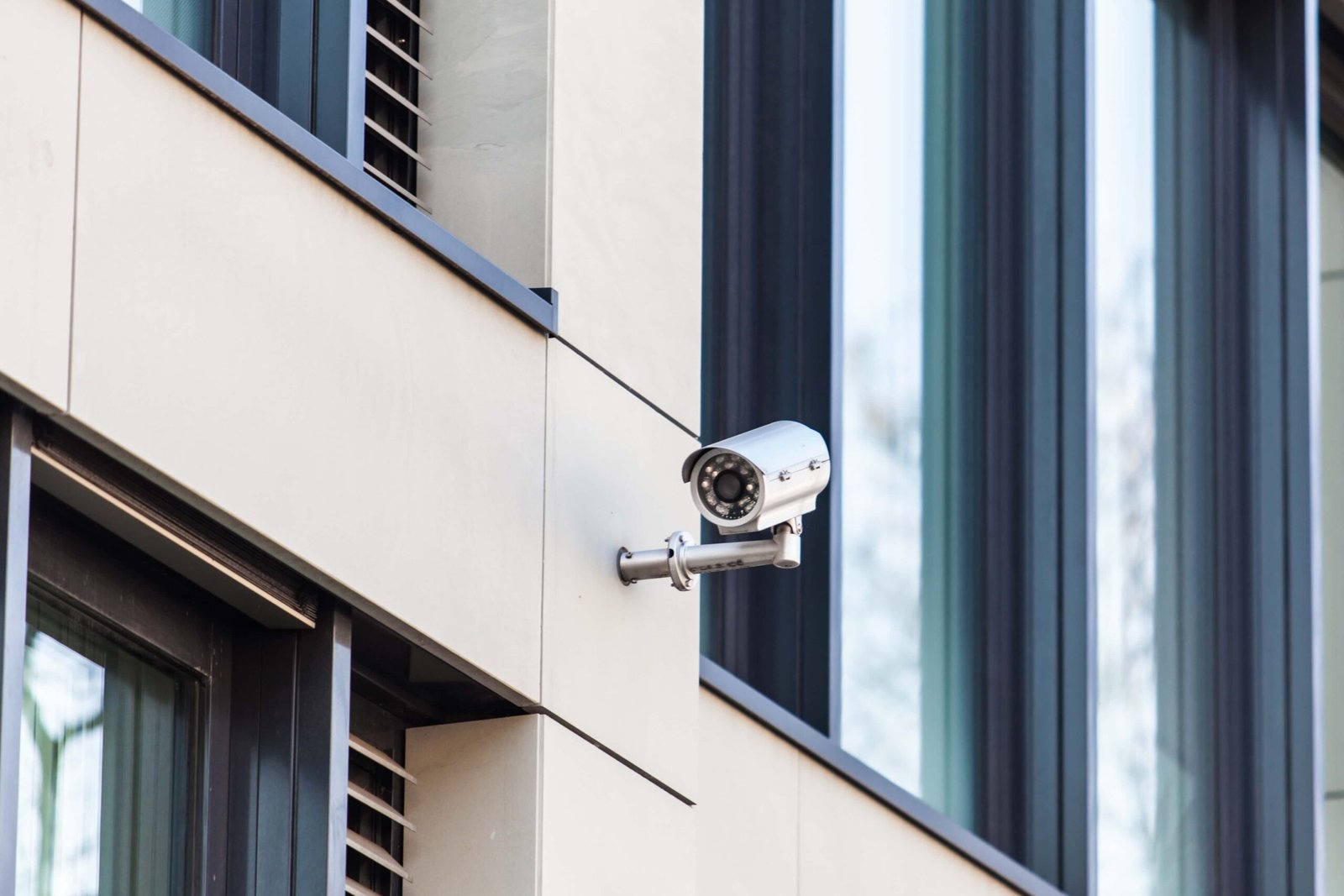
CCTV Monitoring for Schools: Campus Safety That Works During Class and After Hours
Your school sits empty for 16 hours every weekday, all weekend, and for weeks during summer and holiday breaks. During those hours, nobody watches the cameras. Vandals spray-paint walls. Trespassers break windows. Thieves take laptops and projectors. Staff find out Monday morning.
The FBI’s 2025 Crime in Schools Report documented over 1 million criminal incidents on school property between 2020 and 2024. 77% of public schools recorded at least one incident during the 2019-20 school year. 35.8% of public schools reported vandalism in the 2021-22 school year. Assault remains the most common crime on school property, followed by drug offenses and theft.
Most schools have cameras. Most of those cameras record footage nobody reviews until after the damage is done. CCTV monitoring for schools with trained operators changes that. When someone watches the feeds and responds in seconds, cameras become prevention tools instead of post-incident evidence.
GCCTVMS provides educational surveillance and 24/7 live CCTV monitoring with trained operators who understand campus-specific threats across the USA, UK, Singapore, and Pakistan.
What CCTV Monitoring for Schools Actually Includes
Most schools record camera footage to a server in the front office. Nobody watches the feeds during the day. Nobody watches at night. When an incident happens, someone scrolls through hours of footage looking for a 30-second clip. That’s not CCTV monitoring for schools. That’s storage with a camera attached.
A proper CCTV monitoring service for schools includes trained operators watching live campus camera feeds from a remote monitoring centre, threat detection to identify unauthorized visitors, escalating situations, and perimeter breaches, real-time alerts sent directly to school administrators and front office staff, verified police dispatch when external threats appear on campus, and detailed incident reports with timestamps for documentation and compliance.
NASBE’s research on school surveillance highlights the importance of balancing campus safety with student privacy. CCTV monitoring for schools must follow that balance. Camera placement matters. Monitoring protocols matter. GCCTVMS provides camera monitoring services and professional monitoring services built for educational environments where safety and student dignity both count.
The Real Security Threats Schools Face Every Day
School shootings dominate headlines. But the threats that cost schools the most money and create the most daily disruption are far more common.
After-Hours Vandalism and Break-Ins
The most serious school vandalism happens in the late evening and early morning hours when buildings sit empty and unmonitored. 94% of US school districts report glass breakage as the most frequent form of vandalism. 83% report property destruction. 84% report equipment theft.
These incidents add up fast. A single broken window costs $200 to $500. Graffiti cleanup runs $1,000 to $5,000. A break-in with stolen laptops and projectors costs $5,000 to $25,000. Arson incidents cause hundreds of thousands in damage and endanger students and staff if they happen during school hours.
CCTV monitoring for schools with after-hours coverage stops most of these incidents before they start. When an operator sees someone approaching the building at 11 PM and issues a live audio warning throughtwo-way audio surveillance speakers, the vandal runs. Akisha Networks explains the benefits of 24/7 live monitoring and how after-hours coverage protects facilities that sit empty for extended periods.
Unauthorized Visitors During School Hours
Visitor management is one of the biggest daily security challenges. Parents, delivery drivers, contractors, and unknown individuals approach school entrances throughout the day. A camera at the front entrance with a live security camera monitoring operator watching the feed gives the front office staff advance notice before the visitor reaches the door.
GCCTVMS operators paired with access control systems verify visitors on camera before the door opens. That’s CCTV monitoring for schools working in real time during the school day, not just after hours.
Bullying Documentation
Parents filing complaints about bullying increasingly demand video evidence. Schools with CCTV surveillance in hallways and common areas produce timestamped footage that shows exactly what happened, when, and who was involved. That footage protects the student and protects the school from lawsuits. Without surveillance monitoring, the school has no evidence beyond verbal accounts that contradict each other.
Parking Lot and Drop-Off Zone Incidents
Student drop-off and pick-up zones are high-traffic, high-stress areas. Unauthorized pickups, vehicle accidents, pedestrian near-misses, and road rage incidents all happen in these zones. GCCTVMS provides parking lot monitoring with cameras covering every car line, bus loop, and pedestrian crossing on campus.
Where Cameras Can and Cannot Go on a School Campus
Camera placement in schools follows legal rules that differ from commercial or industrial properties. Getting this wrong creates compliance violations that cost more than the security it provides. CCTV monitoring for schools requires a provider who understands these boundaries.
Where Cameras Belong
Cameras should cover every main entrance and exit including emergency doors, hallways and corridors throughout the building, cafeteria and common gathering areas, front office and reception area, drop-off and pick-up zones, bus loading areas, playgrounds and outdoor recreation spaces, athletic fields and courts, parking lots for staff and visitors, building perimeters and fence lines, and storage rooms with expensive equipment.
Where Cameras Cannot Go
Cameras cannot go inside restrooms, locker rooms, changing areas, or showers. In many jurisdictions, classroom cameras require parental notification or school board approval. Private offices where confidential meetings occur may have restrictions depending on state law. FERPA (Family Educational Rights and Privacy Act) governs how student-related footage is stored, shared, and accessed.
Any CCTV monitoring service that doesn’t understand these rules will create legal problems. GCCTVMS provides educational surveillance with camera placement designed around education-specific privacy requirements.
How CCTV Monitoring Protects Schools During School Hours
During school hours, CCTV monitoring for schools serves a different purpose than after-hours coverage. The campus is full of students, staff, and visitors. The threats are different.
Live security camera monitoring operators watch entrance cameras and alert front office staff when an unrecognized person approaches the building. Omnilert explains how real-time video surveillance works for active campus monitoring during operating hours. Hallway cameras let operators spot fights, bullying incidents, or unauthorized movement before teachers or administrators see them. Playground cameras give operators a view of outdoor areas where supervision gaps exist during recess.
GCCTVMS provides real-time security monitoring and live video monitoring for schools during operating hours. Our operators act as an extra set of eyes for your staff, watching areas that teachers and administrators can’t see from their classrooms and offices. Security camera monitoring service during school hours is about awareness, not just recording.
After-Hours Campus Protection: Where CCTV Monitoring Matters Most
A school building sits empty for roughly 128 hours per week (16 hours on each of 5 weekdays plus 48 weekend hours). Add summer break, winter break, spring break, and holidays, and the building is empty for more hours per year than it’s occupied. That’s when most property damage happens.
CCTV monitoring for schools during after-hours coverage means trained operators watch perimeter cameras, entrance doors, and ground-floor windows for any movement. When someone approaches the building, the operator verifies the threat on camera. If it’s an intruder, the operator issues a live audio warning: “You are on camera. Police have been called.” Most trespassers leave immediately.
GCCTVMS provides remote monitoring and control for school campuses during nights, weekends, and breaks. Remote camera monitoring covers every hour that staff aren’t on-site. Security Software explains the challenges of real-time security monitoring and why trained operators handle after-hours coverage better than automated alert systems.
CCTV Monitoring for Schools vs. School Resource Officers
A school resource officer (SRO) provides a physical presence at one building. The average SRO costs $40,000 to $60,000 per year in salary and benefits. That officer patrols one hallway at a time and covers one entrance. When they respond to an incident on the second floor, the first floor is unwatched. When they eat lunch, nobody patrols at all.
CCTV monitoring for schools costs $200 to $500 per month per campus and covers every camera simultaneously. A trained operator at the monitoring centre watches 10, 20, or 40 feeds at the same time. No lunch breaks. No sick days. No coverage gaps when the officer is called to a meeting.
The smartest school districts use both. An SRO at the main entrance during school hours for physical presence and deterrence. CCTV monitoring from a security service like GCCTVMS for everything else: hallway cameras, parking lot coverage, playground monitoring, and full after-hours protection when the SRO goes home.
Annual cost comparison: one SRO ($40,000-$60,000) covers one building during school hours. CCTV monitoring ($2,400-$6,000/year) covers every camera on every building 24/7/365. For districts managing 10 or more schools, the cost difference is millions. RRMS explains the value of professional monitoring and how it supplements on-site security staff.
Preschools and Childcare Centres: Even Higher Stakes
When the students are toddlers, the stakes go higher. Parents expect visible security at every childcare facility. Drop-off zones need camera coverage. Entrance doors need verified access. Outdoor play areas need monitoring during operating hours.
GCCTVMS provides daycare CCTV monitoring for preschools and childcare centres. Camera monitoring service for early childhood facilities covers front door access, parking area safety, and playground monitoring. Parents trust facilities that take surveillance monitoring seriously. A security camera monitoring service at a preschool isn’t optional. It’s expected.
Insurance and Liability Benefits
School districts with documented CCTV monitoring service and incident reports often qualify for 5% to 15% reductions in property and liability insurance premiums. Insurance companies recognise that monitored schools file fewer vandalism claims and produce better evidence when claims do occur.
Bullying documentation through CCTV surveillance cameras also protects schools legally. When a parent files a complaint, timestamped footage from hallway cameras shows exactly what happened. That evidence either supports the claim or refutes it. Without it, the school has no defence beyond staff testimony.
GCCTVMS provides video surveillance with incident reports that satisfy insurance requirements and give school administrators the documentation they need during any investigation.
How GCCTVMS Monitors Schools
GCCTVMS connects to your existing camera system and adds trained operators who watch your campus feeds around the clock. No rip-and-replace. No new hardware. We work with any camera brand.
Our operators understand school environments. They know the difference between a parent arriving early for pickup and an unauthorized visitor approaching a side entrance. They recognize after-hours movement patterns that indicate vandalism or trespassing, not a custodian finishing a shift.
GCCTVMS provides CCTV monitoring for schools across single campuses and multi-school districts. One provider. One dashboard. One monitoring centre covering every building with the same response time under 60 seconds. Every incident produces a timestamped report for your files.
Get Campus Security That Works Around the Clock
CCTV monitoring for schools protects students during the day and facilities after hours. It costs a fraction of an SRO and covers every camera on campus at the same time.
Contact our team with questions about your campus, or Get a 30-min free call to discuss coverage for your school or district.
Protect What Matters Before the Next Incident
CCTV monitoring with trained operators costs far less than one break-in, one liability claim, or one lost customer. Turn your passive cameras into active protection around the clock.
FAQ’s
What is CCTV monitoring for schools?
CCTV monitoring for schools means trained operators watch live campus camera feeds from a remote centre. They alert staff to unauthorized visitors, escalating situations, and after-hours trespassing. Operators also dispatch police and produce incident reports for school records.
How much does CCTV monitoring for schools cost?
CCTV monitoring for schools costs $200 to $500 per month per campus depending on camera count and coverage hours. That’s $2,400 to $6,000 per year compared to $40,000 to $60,000 for a school resource officer.
Where can cameras go on a school campus?
Cameras can cover entrances, hallways, cafeterias, playgrounds, parking lots, bus loops, athletic fields, and building perimeters. Cameras cannot go in restrooms, locker rooms, changing areas, or showers. Classroom cameras may require parental notification depending on your jurisdiction.
Does CCTV monitoring for schools work during school hours?
Yes. During school hours, live security camera monitoring operators watch entrance cameras for unauthorized visitors, hallway cameras for fights or bullying, and playground cameras for student safety. Real-time alerts go directly to school administrators.
Can CCTV monitoring prevent after-hours school vandalism?
Yes. CCTV monitoring for schools with after-hours coverage detects trespassers at the perimeter and issues audio warnings through speakers. Most vandals leave before touching the building. Remote security monitoring during nights, weekends, and breaks covers the hours when most property damage occurs.
Is CCTV monitoring for schools cheaper than hiring an SRO?
Yes. A CCTV monitoring service costs $200-$500/month. An SRO costs $40,000-$60,000/year. CCTV monitoring covers every camera on campus 24/7. An SRO covers one hallway at a time during school hours. Most districts benefit from combining both.
Does school CCTV monitoring help with bullying complaints?
Yes. CCTV surveillance in hallways and common areas provides timestamped footage that shows exactly what happened during a reported incident. That evidence supports or refutes claims and protects the school legally.
What CCTV monitoring companies work with school districts?
CCTV monitoring companies that serve schools should understand FERPA camera rules, student privacy requirements, and the difference between during-school and after-hours coverage. GCCTVMS provides camera monitoring service built for educational environments from preschools to universities.
Can one CCTV monitoring service cover an entire school district?
Yes. GCCTVMS provides remote camera monitoring for multi-campus school districts from one monitoring centre. Every school gets the same response time, the same operator training, and the same incident reporting.
Does school CCTV monitoring reduce insurance premiums?
Yes. School districts with documented surveillance monitoring and incident reports often qualify for 5% to 15% reductions in property and liability insurance premiums. Most school administrators don’t know to ask their insurer about this discount.
