




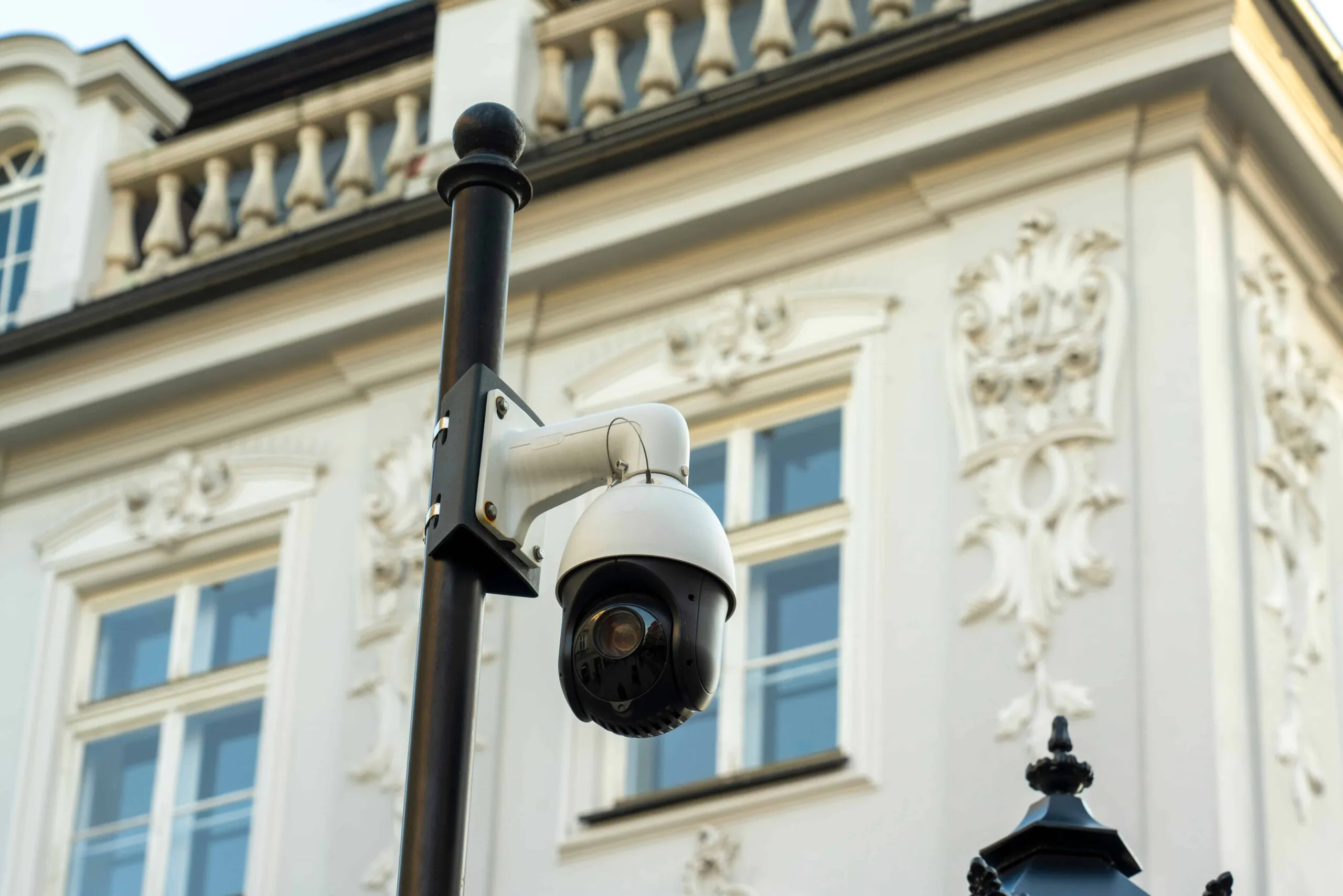
CCTV Monitoring for Hotels: Protect Guests, Staff, and Reputation Without Making Guests Feel Watched
One viral review describing a break-in, assault, or theft at your hotel can cost you tens of thousands in cancelled bookings within a week. The incident itself takes seconds. The damage to your reputation lasts years. And in most cases, the camera that recorded the incident wasn’t being watched when it mattered.
Hospitality slip-and-fall settlements in court typically range from $10,000 to $50,000, with serious injuries pushing past $200,000. The average hotel accident claim settles at around $40,000. Hotel insurance costs rose 19.5% in 2023 according to industry data, now averaging $939 per available room. Physical assaults are the second most common crime at hotels, trailing only burglary and theft. Hotel owners face liability for incidents that happen anywhere on the property: lobbies, hallways, parking lots, pools, fitness centres, and laundry rooms.
CCTV monitoring for hotels turns passive cameras into active protection by putting trained operators on every feed, every hour. GCCTVMS provides 24/7 live CCTV monitoring and camera monitoring services for independent hotels, branded chains, resorts, and B&Bs across the USA, UK, Singapore, and Pakistan.
What CCTV Monitoring for Hotels Actually Includes
Most hotels have cameras. Front desk staff might glance at a monitor between check-ins. The security team might review footage after a complaint comes in. That’s not CCTV monitoring for hotels. That’s recording with hope attached.
A proper CCTV monitoring service for hotels includes trained operators watching live camera feeds from a remote centre, threat detection that flags suspicious activity in lobbies and parking areas, real-time alerts pushed to front desk and security staff, verified police dispatch when operators confirm a crime in progress, live audio warnings issued through speakers in parking lots and exterior zones, and timestamped incident reports for insurance defence and compliance documentation.
Humber Security Services explains how 24/7 live CCTV monitoring extends coverage beyond what on-site teams can manage. GCCTVMS provides professional monitoring services and commercial surveillance built specifically for hospitality environments.
The Real Threats Hotels Face Every Day
Hotel security isn’t just about preventing dramatic incidents. It’s about catching the everyday losses that drain margins and damage reputation.
Guest Theft and Luggage Crimes
Most hotel theft is opportunistic. A guest leaves luggage by the front desk during check-in. Someone walks past, grabs the bag, and leaves. A laptop sits in the lobby coffee area while the owner orders a drink. Gone in seconds. CCTV monitoring for hotels with live security camera monitoring catches the moment the bag moves and alerts front desk staff before the thief reaches the door.
Slip-and-Fall Lawsuits
Slip-and-fall claims are the most common hotel liability issue. One Marriott/Springhill Suites case settled for $350,000 after a guest slipped on an outdoor walkway with the wrong tile installed. Hotel slip-and-fall settlements with surgery commonly reach $125,000 for wrists and $200,000 for herniated discs. Without timestamped video evidence, hotels have no defence against fraudulent or exaggerated claims. With it, insurers settle legitimate claims faster and dismiss fraudulent ones.
Parking Lot Incidents
Hotel parking areas are where most vehicle break-ins, luggage theft from cars, and personal assaults happen. Guests blame the hotel even when the property is technically not at fault for an off-premises crime. Negative reviews mention parking lot incidents constantly. CCTV monitoring for hotels with parking coverage protects both guests and the hotel’s reputation simultaneously.
Employee Theft from Back-of-House
Internal theft from supply rooms, food and beverage storage, linen closets, and housekeeping carts is one of the largest hidden losses in hospitality. Surveillance monitoring of back-of-house zones documents access and deters theft without making housekeeping or kitchen staff feel surveilled in their personal break areas.
Where Cameras Can and Cannot Go in a Hotel
This is where most CCTV companies fail hotel clients. Hospitality has guest privacy rules that are stricter than retail or commercial properties. CCTV monitoring for hotels requires a provider who understands these limits before installing a single camera.
Where Cameras Belong
Cameras should cover the lobby and front desk area, all main entrances and exits, hallways and corridors throughout the hotel, elevators and stairwells, parking lots and parking structures, pool decks (with appropriate angles), fitness centres and gym entries, business centre common areas, back-of-house corridors and supply room entries, loading docks and service entrances, valet stands and exterior driveways, and ice machine and vending alcoves where assaults sometimes occur.
GCCTVMS provides video surveillance and business surveillance for all of these zones with operators trained to understand the difference between a guest looking for their room and a stranger who shouldn’t be on the floor.
Where Cameras Cannot Go
Cameras absolutely cannot go inside guest rooms, restrooms, locker rooms, changing areas, spa treatment rooms, or any space where guests have a reasonable expectation of privacy. Cameras in pool changing areas, sauna rooms, or massage rooms create both legal liability and brand damage that no amount of security can offset. BOSS Security’s guide on camera monitoring services covers placement principles that apply across hospitality environments.
Generic CCTV monitoring companies treat hotels like warehouses. They install cameras the same way regardless of guest privacy. Hotels need a CCTV monitoring service that understands hospitality from day one.
How CCTV Monitoring Protects Hotel Guests in Real Time
Here’s how CCTV monitoring for hotels actually works when trained operators watch the feeds.
Scenario 1: Lobby Loiterer. An operator notices someone in the lobby who doesn’t appear to be a guest. The person is watching the front desk activity and eyeing unattended luggage. The operator alerts the front desk team via real-time message. The desk staff approaches the person and asks if they need help. The would-be thief leaves before any luggage moves.
Scenario 2: Parking Lot Threat. A camera catches a person checking door handles on parked cars at 2 AM. The operator activates two-way audio surveillance and speaks through the parking area speaker: “You are on camera. Police have been notified.” The person leaves the lot. No vehicles broken into. No guest waking up to a smashed window.
Scenario 3: Back-of-House Access. An operator sees an unauthorized person walking through a service corridor toward the linen room. They alert hotel security and verify the person’s identity through the monitoring centre. If the person is not authorized, security intercepts before any theft occurs.
Ecam’s live video monitoring guide explains how trained operators handle these scenarios across hospitality and commercial properties. GCCTVMS provides real-time security monitoring and live video monitoring that turn passive hotel cameras into active protection.
Hotel Parking Lot: The Highest-Risk Outdoor Zone
Hotel parking lots and structures are where the most hotel-related crimes happen, especially after dark. Guests returning from dinner, checking out at sunrise, or loading luggage into cars are vulnerable. Female solo travellers and night-shift hotel workers walking to their cars face the highest risk. Hotel assault lawsuits often start in the parking lot.
CCTV monitoring for hotels must extend across every level of parking structures, all surface lot perimeters, and every walkway between parking and building entrances. Operators issuing live audio warnings through speakers stop most threats before they reach a vehicle or a person. GCCTVMS provides parking lot monitoring integrated with hotel surveillance so the lobby cameras and the parking cameras feed into the same monitoring centre with the same response time.
Slip-and-Fall Liability and Incident Documentation
Hotel slip-and-fall claims average $40,000 to settle. Cases with surgery push past $125,000. A single major claim can cost more than ten years of CCTV monitoring service. Without video evidence, hotels rely on staff memory and incident reports written hours after the fact. With it, hotels have timestamped proof of exactly what happened.
Video footage protects hotels two ways. It defends against fraudulent claims by showing that the alleged hazard didn’t exist or that the guest’s behaviour caused the fall. It also speeds up legitimate claim resolution by giving insurers clear evidence to process payment without lengthy disputes. Many hotel insurers offer 5% to 15% premium discounts for properties with documented commercial video surveillance and a verified CCTV monitoring service. Most hotel CFOs never ask their broker about this discount.
Back-of-House Monitoring: Where Most Internal Theft Happens
Front-of-house theft gets attention. Back-of-house theft drains margins quietly. Kitchen staff taking food. Housekeeping moving linen. Maintenance walking off with tools. Stockroom items disappearing during shift changes. Without surveillance monitoring of supply rooms, food storage, linen closets, and service corridors, these losses never get documented.
CCTV monitoring for hotels covering back-of-house zones acts as both deterrent and documentation. Cameras at supply room entries, paired with access control systems, create a record of who entered what room and when. Oray’s article on the role of camera monitoring services explains how monitored back-of-house surveillance changes employee behaviour and reduces shrinkage.
CCTV Monitoring for Hotels vs. Hiring Night Security
A night security guard for a hotel costs $3,000 to $5,000 per month per guard. That guard patrols one area at a time. While they walk the parking lot, the lobby is unwatched. While they check the back hallways, the parking lot is unwatched.
CCTV monitoring for hotels costs $200 to $500 per month for full property coverage. A trained operator watches every camera at the same time. No coverage gaps. No lunch breaks. No falling asleep on a 4 AM patrol.
The smartest hotels use both. A guard at the main lobby for physical presence and customer service, plus CCTV monitoring covering parking, back-of-house, exterior corridors, and overnight perimeter. This hybrid model costs less than two guards combined and delivers full property coverage.
How GCCTVMS Monitors Hotels
GCCTVMS connects to your existing camera system. Any brand. Any property size. Independent inn or branded chain. We work with your existing infrastructure and add trained operators who watch the feeds in real time.
Our operators understand hospitality. They know the difference between a guest looking for their room and a stranger walking the corridors. They recognize the signs of luggage theft, parking lot prowling, and back-of-house unauthorized access. They alert front desk and security teams in real time and document every incident.
GCCTVMS provides CCTV monitoring for hotels across single properties and multi-property chains. USA, UK, Singapore, and Pakistan coverage from one monitoring centre. Sub-60-second response. Insurance-compatible incident reports. Brand-aware placement that protects guests without making them feel watched.
Stop Theft, Liability, and Bad Reviews Before They Start
CCTV monitoring for hotels costs less than one slip-and-fall settlement, one viral review wave, or one stolen luggage incident. Trained operators on your feeds protect guests, staff, and your reputation around the clock.
Contact our team with questions about your hotel, or Book a Session Now to discuss coverage for your property.
Protect What Matters Before the Next Incident
CCTV monitoring with trained operators costs far less than one break-in, one liability claim, or one lost customer. Turn your passive cameras into active protection around the clock.
FAQ’s
What is CCTV monitoring for hotels?
CCTV monitoring for hotels means trained operators watch live camera feeds from a remote centre. They cover lobbies, hallways, parking lots, and back-of-house zones, alerting front desk and security staff to incidents in real time. Operators also produce timestamped incident reports for insurance and liability defence.
How much does CCTV monitoring for hotels cost per month?
CCTV monitoring for hotels costs $200 to $500 per month depending on property size, camera count, and coverage hours. Compare that to $3,000-$5,000/month for one security guard who can only watch one area at a time.
Where can cameras go in a hotel?
Cameras can cover lobbies, hallways, elevators, stairwells, parking lots, pool decks, fitness centres, business centres, back-of-house corridors, loading docks, and exterior entrances. Cameras cannot go inside guest rooms, restrooms, locker rooms, spa treatment rooms, or changing areas where guests expect privacy.
Does CCTV monitoring help defend against hotel slip-and-fall lawsuits?
Yes. CCTV monitoring for hotels produces timestamped video evidence that defends against fraudulent claims and resolves legitimate ones faster. Hotel slip-and-fall settlements average $40,000 with serious cases reaching $200,000+, so video defence pays for years of monitoring with one prevented payout.
Can CCTV monitoring service prevent hotel parking lot crime?
Yes. Live security camera monitoring with operators watching parking areas catches break-in attempts and assaults in real time. Audio warnings through parking lot speakers drive away most threats before any vehicle or guest is touched.
Is CCTV monitoring better than hiring hotel night security?
For most hotels, the best approach combines both. A guard at the lobby for physical presence, plus CCTV monitoring covering parking, back-of-house, and exterior zones. Monitoring at $200-$500/month covers what guards can’t watch simultaneously.
Does hotel CCTV monitoring help reduce insurance premiums?
Yes. Many hospitality insurers offer 5-15% premium discounts for hotels with documented commercial video surveillance and a verified CCTV monitoring service. That discount alone often offsets a significant portion of the monthly monitoring cost.
Can one CCTV monitoring service cover an entire hotel chain?
Yes. GCCTVMS provides CCTV monitoring for hotels across multi-property chains from one monitoring centre. Every location gets the same response time, the same operator training, and the same incident reporting standard.
What CCTV monitoring companies serve the hospitality industry?
CCTV monitoring companies serving hotels should understand guest privacy rules, brand-aware camera placement, and the balance between security and a welcoming atmosphere. GCCTVMS provides camera monitoring service built for hospitality from boutique inns to global chains.
How does CCTV monitoring for hotels protect employee safety?
Surveillance monitoring of staff parking, back-of-house corridors, and service entrances protects hotel employees from assault and harassment, especially night-shift workers walking to their cars. Visible monitoring also supports staff retention by addressing safety concerns directly.
