




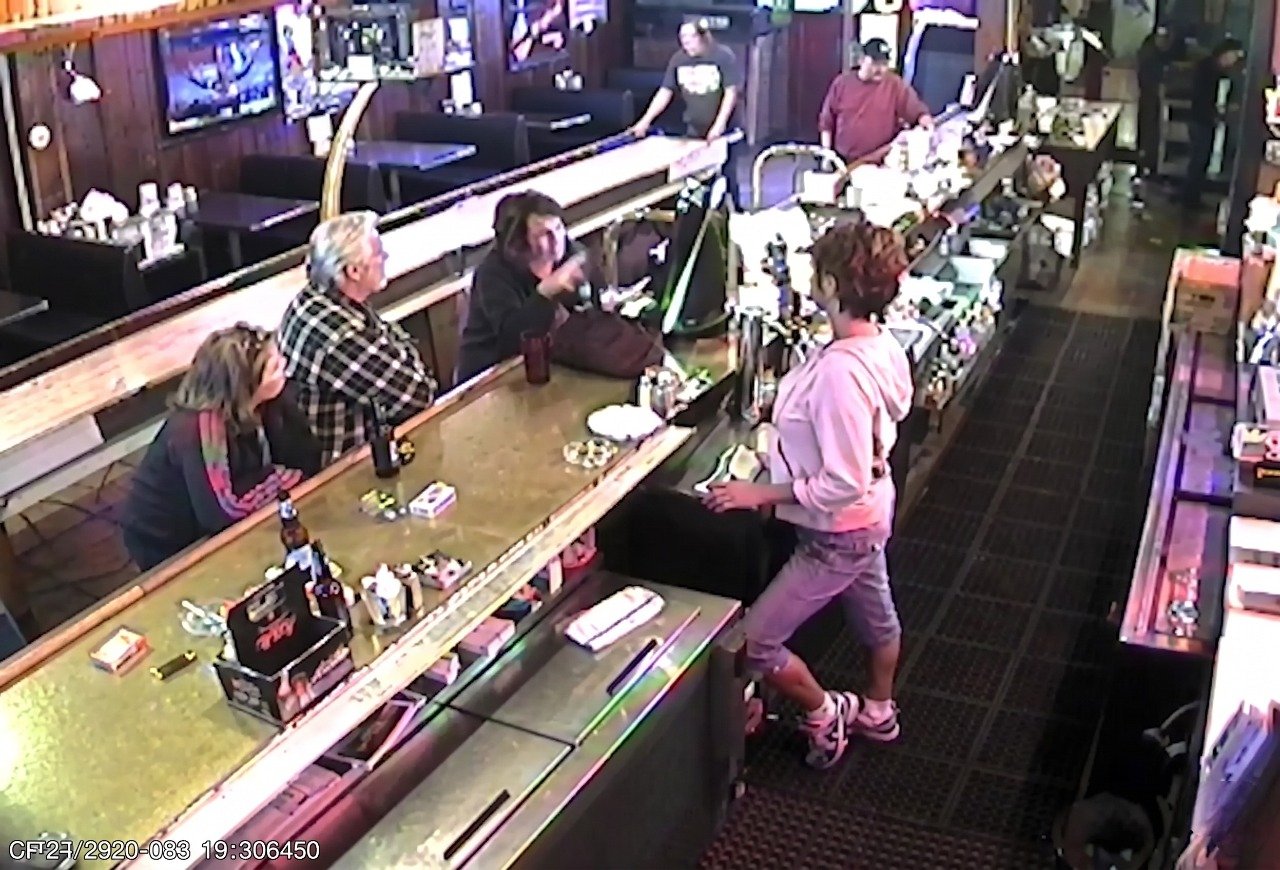
CCTV Monitoring for Bars: Prevent Violence, Protect Staff, and Defend Against Liability Before the Next Incident
At 11:47 PM on a Saturday in Columbus, Ohio, a fight broke out between two groups near the pool table at a neighborhood bar. Within 40 seconds it had spread to the bar counter. Three people were injured. One was hospitalised. The bar owner received a civil lawsuit three weeks later claiming inadequate security and failure to intervene.
The cameras recorded the full incident. The footage showed clearly how the fight started, who threw the first punch, and that bar staff attempted to intervene within 20 seconds. The lawsuit was dismissed. But without that footage, the owner would have faced a case built entirely on opposing witness accounts. The cameras saved him.
Now consider this: those same cameras had no live operator watching them. The fight lasted 40 seconds and injured three people before staff could respond physically. A trained operator watching the live feed would have seen the confrontation building 90 seconds before the first punch, alerted staff, and activated a speaker warning at the 60-second mark. Most fights in bars do not start suddenly. They escalate visibly through body language, raised voices, and positioning.
That is the gap between recorded CCTV and CCTV monitoring for bars. One documents what happened. The other stops it.
Bar fights lead to 500,000 emergency room visits every year in the US. In England and Wales, assaults in bars and pubs made up 25% of all violent crimes in 2022. 20% of all nightclub assaults nationally occur at these venues. Every one of these incidents generates potential liability for the business owner.
GCCTVMS provides 24/7 live CCTV monitoring and camera monitoring services for bars, pubs, nightclubs, and licensed premises across the USA, UK, Singapore, and Pakistan.
What Bar Owners Think Their Cameras Do vs. What Actually Happens
Most bars have cameras. Behind the bar. At the entrance. Covering the main floor. The footage records. The owner or manager reviews it after an incident. The police receive a copy. The insurance company requests it. The footage does its job.
Except the incident already happened. Someone is in hospital. A lawsuit is filed. Staff are traumatised.
This is the gap. Recorded CCTV provides evidence after the fact. CCTV monitoring for bars with live operators provides intervention before the fact.
Reolink’s guide on bar security cameras explains how camera placement and monitoring work together in bar environments. GCCTVMS professional monitoring services and commercial surveillance add the live operators that turn your existing cameras from evidence recorders into active deterrence.
The Specific Threats Bars and Nightclubs Face
Fights and Physical Altercations
Research using the National Incident-Based Reporting System shows that compared to all other reported locations, murder, aggravated assault, and simple assault are more likely to occur in bars. Alcohol is involved in 47% of violent incidents in the US per NCVS data.
Bar fights rarely erupt without warning. The pattern is consistent: a verbal dispute escalates to pushing, then to punching, then to group involvement. The window between visible escalation and first physical contact is typically 60 to 120 seconds. That window is exactly where live monitoring intervention works.
An operator watching the floor camera at 11:30 PM sees two men standing chest-to-chest near the pool table with raised voices. The operator activates two-way audio surveillance through the floor speaker: “Security has been notified. Please move to separate areas of the venue.” In most cases, the announcement alone breaks the tension. In cases where it does not, staff are already moving toward the location with 60 seconds of advance warning instead of reacting after the first punch.
GCCTVMS real-time security monitoring and threat detection covers bar floors, entrances, and outdoor areas with operator response trained for licensed venue threat patterns.
Liability Claims: The Financial Threat Nobody Talks About
A single assault-related liability claim against a bar or nightclub costs $50,000 to $500,000 in legal defence, settlements, and reputational damage. Most US states apply dram shop liability laws, which hold bars legally responsible for harm caused by visibly intoxicated patrons they continued to serve. The UK Licensing Act imposes a duty of care on premises licence holders. Singapore’s Liquor Control Act creates comparable obligations.
Without timestamped footage showing exactly what happened, when staff intervened, what warnings were issued, and what the patron’s visible condition was at the point of service, the bar owner has only staff memory and disputed witness accounts.
CCTV monitoring for bars with live operators and documented incident reports creates the evidence chain that satisfies regulatory bodies, courts, and insurance adjusters. GCCTVMS workplace incident report documentation produces timestamped records for every operator alert, staff dispatch, and incident resolution.
After-Hours Break-Ins and Cash Register Theft
Bars close late and often hold significant cash on premises overnight. Cash drawers, tip jars, liquor stock worth thousands, and point-of-sale equipment are all targets for after-hours burglary. A bar that closes at 2 AM is empty from 3 AM until the opening staff arrive at midday. That is a nine-hour unprotected window.
HMIC’s guide on video surveillance for bars and restaurants covers how camera coverage and monitoring work together to protect bar properties after closing. GCCTVMS night vision monitoring and remote monitoring and control covers bar perimeters, entrances, and rear access points through every overnight hour.
Staff Safety and Sexual Harassment Documentation
Bar and nightclub staff face elevated risks of workplace violence and harassment. Bartenders and door staff interact with intoxicated customers throughout their shift. A customer who becomes aggressive toward a female bartender at 1 AM, a door supervisor who is assaulted while removing a disruptive patron, a manager confronted in the car park after closing — these incidents are documented by cameras but require a live operator to trigger the appropriate response in real time.
GCCTVMS live security camera monitoring and surveillance monitoring covers staff zones with the same operator awareness as customer-facing areas.
Underage Service and Licensing Compliance
Serving alcohol to a person under the legal drinking age is a licensing violation that results in fines, licence suspension, or permanent closure. In the UK, a single test purchase failure can result in a premises licence review. In Singapore, penalties under the Liquor Control Act are substantial.
Cameras covering every point of service from both sides of the bar create the documentation trail that demonstrates compliance. GCCTVMS commercial video surveillance monitoring covers bar service areas with live operator awareness and timestamped transaction records.
Where Cameras Belong in a Bar or Nightclub
Main Floor and Dance Areas
Floor cameras at multiple angles cover the entire patron area including near the bar counter, the dance floor, seating areas, and pool or games zones. These cameras need to cover from face height, not ceiling-only angles that miss the detail needed for liability claims and fight identification.
Bar Counter: Both Sides Required
Behind-the-bar cameras covering the service side document staff behaviour, cash handling, and drink service. Front-of-bar cameras covering the patron side document customer behaviour and age verification interactions. Witness LLC’s restaurant security camera guide explains why dual-angle coverage at service counters matters for both liability and compliance. GCCTVMS video surveillance and video monitoring services covers all bar counter zones.
Entrance, Queue, and Door Staff Area
Entrance cameras document every person who enters, their visible condition on arrival, and any incidents involving door staff. These cameras create the baseline evidence for claims that a patron was visibly intoxicated on entry versus becoming intoxicated inside the venue. GCCTVMS outdoor surveillance covers entrance and queue zones including exterior approaches.
Toilets: Corridor Approach Only
Cameras cannot be placed inside toilet facilities. Corridor cameras covering the approach to toilet areas document incidents that concentrate in these zones without breaching privacy law.
Car Park and Exterior
Car park cameras document every vehicle and cover the exterior zones where incidents spill out of the venue, where taxi queue disputes occur, and where after-hours access attempts target the building. GCCTVMS parking lot monitoring covers all exterior zones with night vision capability.
How CCTV Monitoring for Bars Works in Real Time
Scenario 1: Fight Prevention. At 12:15 AM on a Friday, the operator watching the main floor camera sees two male patrons squaring up near the DJ booth. Body language, proximity, and raised hands indicate escalation. The operator activates the floor speaker: “Security is monitoring this area. Please maintain distance.” The operator simultaneously alerts the nearest door supervisor through the monitoring system. The supervisor reaches the area within 25 seconds. Both patrons are separated. No punch is thrown. No one is injured. No police are called.
Scenario 2: Liability Documentation. At 10:45 PM, a female patron near the bar counter becomes involved in a verbal altercation with another customer. The operator watching the counter camera documents the full sequence: the initiating patron approaches, the verbal exchange, the moment the bar manager intervenes, and the removal of the aggressor. Three days later, the removed patron files a complaint alleging she was assaulted by bar staff. The timestamped footage shows the opposite. The complaint is dismissed.
Scenario 3: After-Hours Entry Attempt. At 3:30 AM, the operator watching the rear exterior camera sees a person testing the back door of the closed bar. The operator activates the exterior speaker: “This property is under live monitoring. Police have been dispatched.” The person leaves. Police arrive within 5 minutes. The bar is undamaged. The cash drawer and liquor stock are intact.
Pelco’s industry guide for restaurants and licensed venues covers how commercial-grade camera systems integrate with live monitoring for hospitality environments. GCCTVMS also provides bars in Singapore CCTV monitoring solutions and CCTV monitoring for restaurants across similar licensed hospitality environments.
CCTV Monitoring for Bars vs. Hiring More Door Staff
An additional door supervisor costs $2,500 to $4,000 per month including agency fees and employer costs. That supervisor watches one zone at a time. When they handle a situation at the entrance, the main floor is unobserved. When they escort a disruptive patron, the bar counter is unmonitored.
CCTV monitoring for bars costs $200 to $500 per month and covers every camera simultaneously. Operators watch the entrance, the floor, the bar counter, and the exterior at the same time. When a situation develops anywhere in the venue, the operator directs the nearest staff member with exact location, description, and context. Door supervisors become significantly more effective when they receive precise, timely information from an operator who has seen the full situation develop.
Most bars combine both: door supervisors for physical presence and CCTV monitoring for full-venue awareness and early escalation warning. GCCTVMS remote guarding services and virtual security guard monitoring provide the full-coverage awareness layer that physical staff cannot provide alone.
Insurance and Licensing Benefits
Bar and nightclub liability insurance is among the most expensive in the hospitality sector. Documented live CCTV monitoring with timestamped incident reports directly supports insurer negotiations. Most commercial liability insurers offer 5% to 15% premium reductions for licensed premises with verified live monitoring.
Licensing authorities in the UK, US, Singapore, and Pakistan increasingly treat CCTV monitoring as a positive licence condition. Venues with documented monitoring systems demonstrate active compliance beyond minimum standards and are better positioned during licence reviews triggered by incidents.
GCCTVMS camera monitoring services produces licensing-compatible and insurance-grade documentation for every alert, intervention, and resolution.
How GCCTVMS Monitors Bars and Nightclubs
GCCTVMS connects to your existing camera system. Any brand. Any venue size. A single neighbourhood pub or a 1,000-capacity nightclub. We add trained operators who watch your feeds throughout operating hours and overnight.
Our operators understand licensed venue environments. They know what pre-fight body language looks like from a main floor camera. They know that a group of eight people arriving simultaneously at a nightclub entrance and immediately splitting up is a pattern worth flagging. They know that activity at the back entrance at 3 AM after closing is not a staff member locking up.
They alert your door supervisors, dispatch police, and document every incident with the timestamps your licensing authority, insurers, and legal team need.
GCCTVMS provides CCTV monitoring for bars and nightclubs across single venues and multi-site groups. USA, UK, Singapore, and Pakistan coverage from one monitoring centre. Sub-60-second response time. Full incident documentation.
Contact our team to discuss monitoring for your venue, or Get a Free 30-min Call to review your current camera coverage and licensing compliance gaps.
About the Author
By M. Huzaifa Rizwan
Content Writer │ SEO Executive │ Ads Expert
I write about CCTV monitoring, remote surveillance, and business security at GCCTVMS. My work covers SEO content production, ad strategy, and marketing operations across the USA, UK, Singapore, and Pakistan. Outside of GCCTVMS, I write on tech and lifestyle topics for TechSurges, Medium, and Substack.
FAQ’s
What is CCTV monitoring for bars?
CCTV monitoring for bars means trained operators at a remote centre watch live camera feeds covering the main floor, bar counter, entrance, car park, and exterior zones. They detect fight escalation, underage service, after-hours intrusions, and staff safety incidents in real time and respond with audio warnings, staff alerts, and police dispatch before incidents complete.
Where can I find an affordable CCTV monitoring services provider for my bar or pub?
GCCTVMS provides affordable CCTV monitoring services for bars and licensed premises from $200 per month depending on venue size, camera count, and coverage hours. We connect to your existing camera infrastructure without hardware replacement.
How does live CCTV monitoring prevent bar fights?
Operators watching floor cameras detect the pre-fight escalation pattern before the first punch. A verbal dispute, physical proximity, and raised body language give operators a 60 to 90 second window to activate a speaker warning and alert door supervisors. Most confrontations de-escalate when a live announcement confirms active monitoring.
Does CCTV monitoring protect bar owners from liability claims?
Yes. Timestamped footage from live monitoring with operator incident reports documents the exact sequence of events during any incident. This evidence resolves dram shop liability claims, duty of care disputes, and staff conduct allegations with objective documentation rather than competing witness accounts.
Does CCTV monitoring cover nightclubs after closing?
Yes. GCCTVMS monitoring covers venues through every overnight hour with the same operator response time as peak trading hours. After-hours break-ins and cash theft at bars and nightclubs occur in the window between closing and the arrival of morning staff.
How much does CCTV monitoring for bars and nightclubs cost?
CCTV monitoring services for bars cost $200 to $500 per month. Compare that to $2,500 to $4,000 per month for one additional door supervisor, or $50,000 to $500,000 in a single assault liability claim that undocumented footage cannot defend.
Is GCCTVMS a reliable CCTV monitoring services provider for multi-venue groups?
Yes. GCCTVMS provides remote CCTV monitoring services for multi-venue hospitality groups from one monitoring centre. Every venue gets the same operator training, response time, and incident report format.
Does CCTV monitoring help with bar and nightclub licensing compliance?
Yes. Licensing authorities across the USA, UK, Singapore, and Pakistan increasingly view documented live CCTV monitoring as evidence of active compliance. Timestamped incident reports satisfy licensing reviews and demonstrate the venue’s proactive approach to public safety.
Can CCTV monitoring detect underage service at bars?
Operators watching bar service cameras in real time can flag transactions where age verification appears skipped or where the customer appears younger than the legal drinking age. The operator alerts bar management before the service is completed.
Does GCCTVMS connect to existing bar and nightclub camera systems?
Yes. GCCTVMS connects to any existing camera brand and infrastructure without requiring hardware replacement. Operators begin monitoring your venue feeds once the connection is configured, typically within days.
