




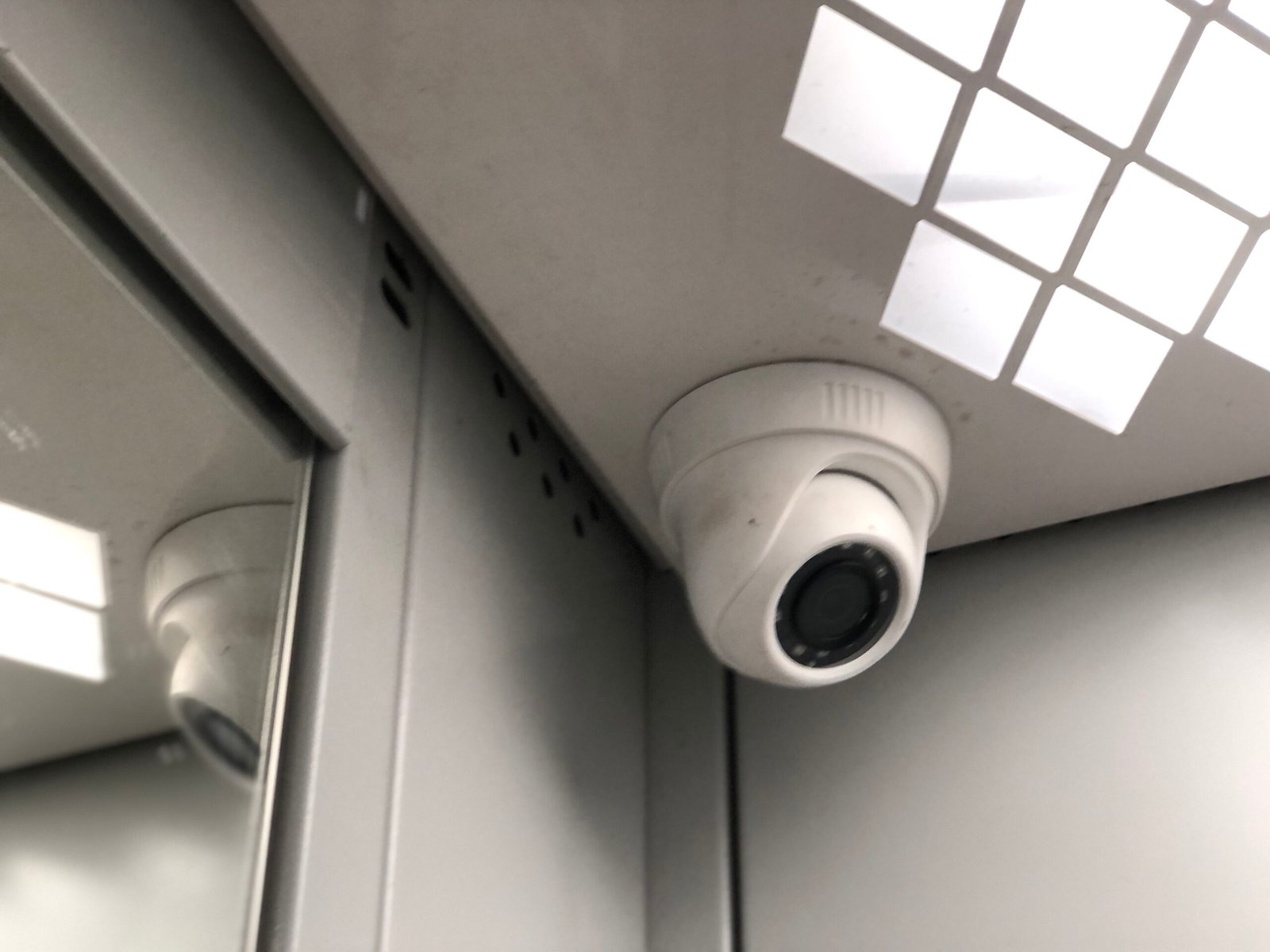
CCTV Monitoring for Office Buildings: Protect Staff, Assets, and After-Hours Access Around the Clock
In 2022, the FBI recorded 42,104 burglaries in commercial or office buildings across the United States. A break-in occurs every 26 seconds in the US. Police solve only 11% of burglary cases. When a commercial office building is broken into, the probability of recovery or prosecution is low. The loss falls entirely on the business.
But the threat inside the office is equally significant. 67% of employees admit to some form of workplace theft in 2025 studies. Embezzlement losses average $357,650 per incident annually. Managers are twice as likely to steal money compared to non-managers. Employee theft increased 8% from 2024. 1 in 35 employees engaged in theft in 2025, up from 1 in 40 in 2024.
An office building holds laptops, servers, confidential client data, petty cash, equipment worth tens of thousands, and often has dozens of people with key card access operating on irregular schedules. When something disappears, nobody saw it. When someone accesses the server room at 11 PM on a Thursday, no alarm fires. When a contractor enters the building on a Saturday and leaves with equipment, the only evidence is a swipe card log and a camera that recorded it to an unwatched server.
CCTV monitoring for office buildings changes this by putting trained operators on your camera feeds in real time. GCCTVMS provides 24/7 live CCTV monitoring and camera monitoring services for office buildings across the USA, UK, Singapore, and Pakistan.
What Facilities Managers Think CCTV Does vs. What It Actually Does
Most office buildings have cameras. Lobby cameras. Corridor cameras. A camera in the server room. Cameras at every entrance. The footage records to a security server in the building management office. Nobody watches it until a laptop goes missing, a staff member makes a complaint, or a break-in is reported.
The incident is documented. The loss has already happened.
This is the mental model gap that costs office building operators millions in unreported, unresolved losses every year. Recorded CCTV for offices documents what happened. CCTV monitoring for offices stops what is happening.
Deep Sentinel’s guide on remote video surveillance for office buildings explains how the shift from passive recording to live monitoring changes the security outcome for commercial properties. GCCTVMS professional monitoring services and commercial surveillance add the trained operators who watch your feeds and respond before the loss occurs.
The Four Security Threats Office Buildings Face
After-Hours Break-Ins and Unauthorised Access
72% of burglaries happen when nobody is at home or on the premises. Office buildings are empty most nights and all weekend. That is 60 to 70 hours of unprotected exposure every week.
Commercial burglaries target office buildings for laptops, monitors, servers, and any petty cash left in desks or reception drawers. A single night in a mid-size office building can yield $15,000 to $50,000 in equipment. Unlike retail theft, office building break-ins rarely trigger immediate alarm responses because most alarm systems in commercial properties generate unverified alerts that police deprioritise.
Remote CCTV monitoring for office buildings with trained operators watching exterior cameras and building perimeters at night catches break-in attempts at the point of approach. The operator sees the person at the back entrance, dispatches police with a verified live incident, and activates two-way audio surveillance through the building exterior before the door is breached. GCCTVMS night vision monitoring and remote monitoring and control covers every overnight hour at the same response time as business hours.
Internal Theft: Assets, Equipment, and Data
67% of employees admit to some form of workplace theft. Managers are twice as likely to steal as non-managerial staff. The most common forms in office environments are equipment removal, petty cash theft, unauthorised access to client files, and data exfiltration via physical media.
A laptop removed from a desk late on a Friday afternoon. A hard drive disconnected from a server rack during a scheduled maintenance window. A senior employee accessing the finance director’s office after hours. These events rarely trigger any alert in a building with unmonitored cameras.
Bay Alarm’s guide on the best CCTV system for office security explains how camera placement and monitoring in offices creates the accountability that deters internal theft. GCCTVMS commercial video surveillance and video surveillance monitoring covers server rooms, finance offices, equipment storage, and reception areas with live operator awareness.
Tailgating and Visitor Access Failures
Office buildings have key card access systems at main entrances. They also have side doors propped open by smokers, service entrances used by contractors, and main lobby doors that are open during business hours. Tailgating, where an unauthorised person follows an employee through a secured door, is the most common access control failure in commercial office buildings.
When a contractor, delivery person, or unknown visitor gains building access without registration, the only record is the physical presence captured on camera. Without a live operator watching that camera, the building access failure goes unnoticed until something happens.
GCCTVMS access control integration pairs camera footage with electronic entry logs. Operators watching entrance cameras in real time spot tailgating events and alert the reception or building security team before the unauthorised person reaches the upper floors.
Workplace Incidents and Liability Claims
Office buildings generate liability exposure through slip-and-fall incidents in lobbies and corridors, disputes between staff or visitors, and incidents in car parks and exterior areas. Without timestamped camera footage, the building management has no objective evidence of what actually happened at the moment of the alleged incident.
GCCTVMS real-time security monitoring and workplace incident report documentation produces timestamped records for every incident that satisfy both insurer requirements and legal discovery.
Where Cameras Belong in an Office Building
Main Lobby and Reception
The lobby is the primary identification zone. Every person who enters and exits the building passes through reception. Cameras at face height capture usable identification footage. Overhead cameras capture wider context but miss facial detail that investigations require. GCCTVMS live security camera monitoring covers lobby zones with operators watching every entry event during and after business hours.
All Secondary Entrances, Fire Exits, and Service Doors
Every entrance beyond the main lobby is a potential unmonitored access point. Side entrances used by staff for smoking breaks. Service entrances used by contractors and couriers. Fire exits that can be propped open from inside. Each of these needs camera coverage and live operator awareness.
Corridors, Lift Lobbies, and Stairwells
Floor-level corridor cameras document the movement of everyone through the building. Lift lobby cameras capture who accesses which floor and when. Stairwell cameras cover the routes that avoid lift cameras. These zones together create the movement documentation trail that liability investigations and internal theft reviews depend on.
Server Rooms and Restricted Zones
Server rooms, data centres, IT equipment storage, and finance department areas need dedicated cameras covering entry doors and interior zones. Any access outside of scheduled business hours or authorised staff lists triggers an immediate operator alert. GCCTVMS IT surveillance and cyber security monitoring cover these high-sensitivity zones as part of a coordinated physical and digital security approach.
Car Park and Building Perimeter
Car park cameras cover every bay level, entry and exit ramps, stairwells, and lift lobbies within the structure. Exterior perimeter cameras cover every building face and approach. These cameras provide the earliest warning for after-hours access attempts and document vehicle-related incidents.
Pelco’s complete CCTV monitoring guide covers camera placement principles for commercial buildings. GCCTVMS parking lot monitoring and outdoor surveillance covers all exterior zones with night vision through every overnight hour.
How CCTV Monitoring for Offices Works in Real Time
Scenario 1: After-Hours Break-In Attempt. At 1:20 AM on a Sunday, the operator watching the rear entrance camera sees a person approach the building’s service door with a pry bar. The operator dispatches police immediately and activates the building exterior speaker through two-way audio surveillance: “This property is under live monitoring. Police have been dispatched. Move away from the building.” The person runs. Officers arrive within 4 minutes. The door is undamaged.
Scenario 2: Tailgating at Main Entrance. At 8:45 AM, the operator watching the main lobby camera sees an employee swipe their key card and a second person follow through the door behind them without swiping. The operator alerts the reception desk immediately. The receptionist approaches the second individual in the lobby, requests identification, and registers them as a visitor. The access event is documented.
Scenario 3: After-Hours Server Room Access. At 10:30 PM on a Wednesday, the operator watching the server room camera sees a staff member access the room. The access is outside their scheduled maintenance window and their role does not include after-hours server access according to the building’s access profile. The operator flags the event and alerts the IT security manager. The access is investigated the following morning. A data exfiltration attempt is identified and contained.
Amarok’s guide on how CCTV helps protect commercial property explains how remote monitoring extends the reach of commercial security teams beyond what on-site staff can physically cover. GCCTVMS provides live video monitoring and surveillance monitoring trained for office building-specific threat patterns.
CCTV Monitoring for Offices vs. On-Site Security Guards
A full-time overnight security guard for an office building costs $3,000 to $5,000 per month. That guard patrols one zone at a time. When they check the ground floor service entrance, the car park is unwatched. When they manage a delivery at reception, the server room corridor is unsupervised.
CCTV monitoring for office buildings costs $200 to $600 per month and covers every camera simultaneously. Operators watch the lobby, corridors, server room, car park, and all exterior perimeters at the same time. For a multi-tenant office building operating 24/7, the monitoring provides consistent full-coverage awareness that physical patrols cannot match.
Most commercial office buildings combine both: on-site security for physical presence and response, and CCTV monitoring for full-building awareness and overnight coverage. GCCTVMS remote guarding services and virtual security guard monitoring provide the full overnight layer that on-site staff reduction creates.
Multi-Building Coverage for Property Groups
Office property groups managing 5 to 50 buildings need consistent security standards at every location. Separate monitoring arrangements at each building create reporting inconsistencies and coverage gaps across the portfolio.
GCCTVMS provides outsource CCTV monitoring services and global monitoring solutions for multi-building office portfolios from one monitoring centre. Every building gets the same operator training, response time, and incident report format. Facilities managers and property directors get consolidated reporting across the full portfolio.
Insurance and Compliance Benefits
Commercial property insurance for office buildings is directly influenced by documented security measures. Most commercial property insurers offer 5% to 15% premium reductions for buildings with verified live security surveillance monitoring. For a building paying $50,000 annually in commercial property insurance, a 10% reduction saves $5,000 per year.
GCCTVMS camera monitoring services produces insurance-grade documentation for every incident, dispatch, and resolution that satisfies insurer requirements for active security documentation.
How GCCTVMS Monitors Office Buildings
GCCTVMS connects to your existing camera system. Any brand. Any building size. A single-tenant SME office or a 40-floor multi-tenant commercial tower. We add trained operators who watch your feeds around the clock.
Our operators understand commercial office environments. They know what a legitimate late-night contractor visit looks like versus an unauthorised access attempt. They know that tailgating through a secured lobby door is an access control failure regardless of whether the follower appears to know the card holder. They know that a server room access at 10:30 PM by someone without a maintenance schedule is not routine.
They alert your building security team, dispatch police, and document every incident with the timestamps your facilities management, insurers, and legal teams need.
GCCTVMS provides CCTV monitoring for office buildings across single locations and multi-building portfolios. USA, UK, Singapore, and Pakistan coverage from one monitoring centre. Sub-60-second response time. Full incident documentation.
Contact our team to discuss monitoring for your office building, or Get a free 30-min Call to review your current camera coverage and access control gaps.
About the Author
By M. Huzaifa Rizwan
Content Writer │ SEO Executive │ Ads Expert
I write about CCTV monitoring, remote surveillance, and business security at GCCTVMS. My work covers SEO content production, ad strategy, and marketing operations across the USA, UK, Singapore, and Pakistan. Outside of GCCTVMS, I write on tech and lifestyle topics for TechSurges, Medium, and Substack.
FAQ’s
What is CCTV monitoring for offices?
CCTV monitoring for offices means trained operators at a remote centre watch live camera feeds covering the lobby, corridors, server rooms, restricted zones, car parks, and building perimeter. They detect after-hours break-ins, tailgating, unauthorised internal access, and liability incidents in real time and respond with staff alerts, audio warnings, and police dispatch.
Where can I find an affordable CCTV monitoring services provider for office buildings?
GCCTVMS provides affordable CCTV monitoring services for office buildings starting from $200 per month depending on building size, camera count, and coverage hours. We connect to your existing camera infrastructure without requiring hardware replacement.
Does CCTV monitoring for offices cover after-hours break-ins?
Yes. Operators watching exterior cameras and building perimeters catch break-in attempts at the approach stage. Police dispatch happens with a verified live incident report before the door is breached. Most intruders abort when they hear a live audio warning confirming active monitoring.
How does CCTV monitoring detect tailgating at office buildings?
Operators watching lobby and entrance cameras in real time spot the moment a person follows an employee through a secured door without swiping a key card. The operator alerts reception or building security immediately. The access event is documented with timestamp footage.
Can CCTV monitoring catch internal theft in office buildings?
Yes. Operators monitoring server rooms, finance areas, and equipment storage outside of scheduled business hours flag access events that fall outside authorised staff profiles. Timestamped footage supports internal investigations and evidence collection.
How much does CCTV monitoring for office buildings cost?
CCTV monitoring services for office buildings cost $200 to $600 per month depending on size, camera count, and coverage hours. Compare that to $3,000 to $5,000 per month for one overnight security guard who covers one zone at a time.
Is GCCTVMS a reliable CCTV monitoring services provider for multi-building portfolios?
Yes. GCCTVMS provides remote CCTV monitoring services for multi-building office portfolios from one monitoring centre. Every building gets the same operator training, response time, and incident report format with consolidated reporting for facilities management teams.
Does CCTV monitoring for offices help with insurance premiums?
Yes. Commercial property insurers offer 5% to 15% premium reductions for office buildings with documented live security surveillance monitoring. Incident reports from a verified monitoring service satisfy insurer requirements for active security documentation.
What zones in an office building need camera coverage?
Cameras belong in the main lobby, all secondary entrances and fire exits, floor-level corridors, lift lobbies, stairwells, server rooms and IT storage, finance and restricted zones, the car park at all levels, and the building exterior perimeter.
Does GCCTVMS connect to existing office building camera systems?
Yes. GCCTVMS connects to any existing camera brand and infrastructure. Operators begin monitoring your office building feeds once the connection is configured, typically within days.
