




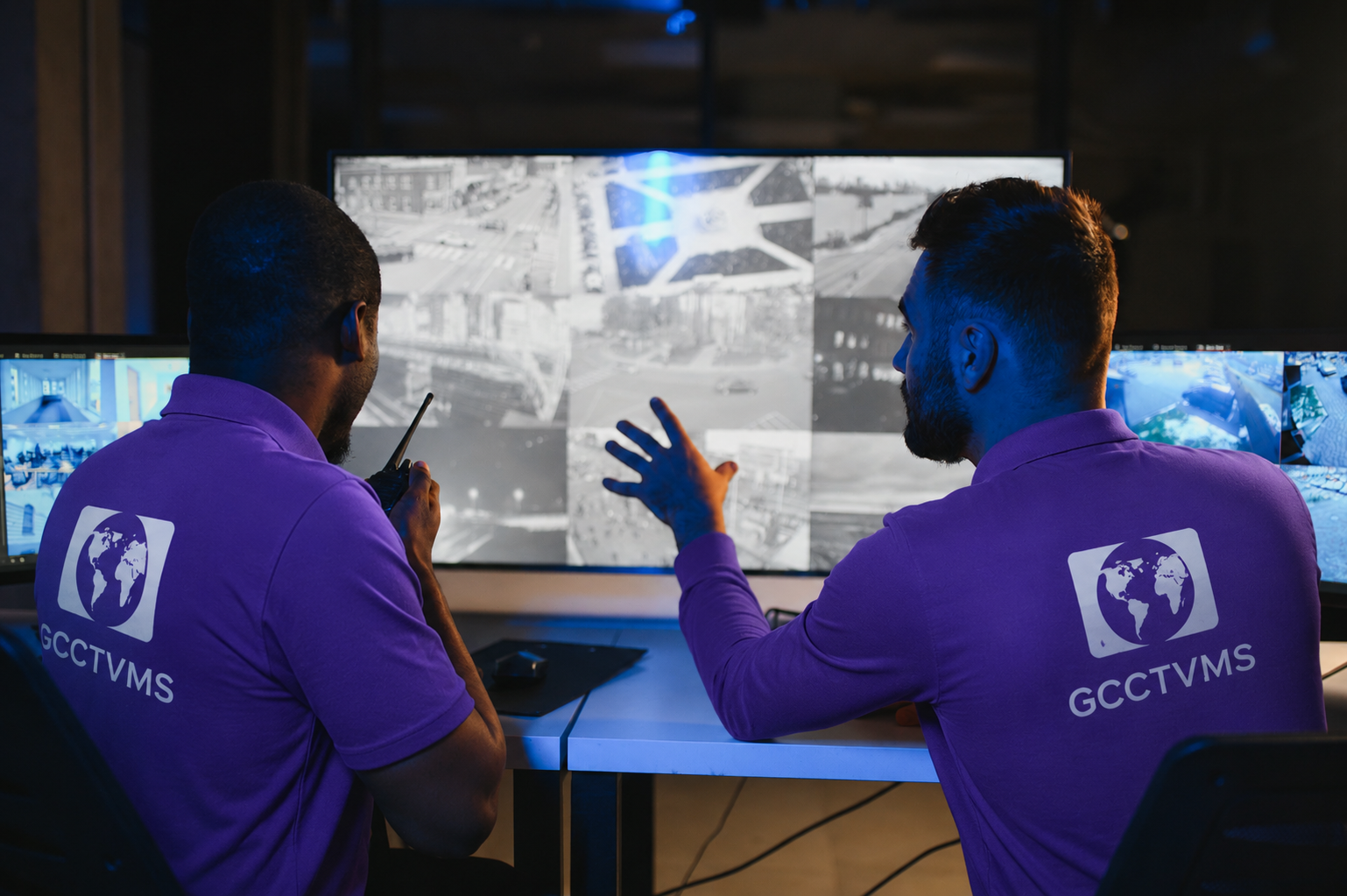
CCTV Monitoring Service: Are You Protected or Just Dependent on the Wrong Setup?
TLDR A CCTV monitoring service is either the layer that turns cameras into a working security system, or it is a monthly fee that creates a false sense of coverage while leaving the same gaps open. The difference depends on whether someone is actually watching, how fast they respond, and whether the service tracks system health alongside camera feeds. This article covers where CCTV monitoring service delivers real protection, where overreliance creates risk, and what separates a service worth paying for from one that costs money without reducing loss.
| Setup | What You Think You Have | What You Actually Have |
| Cameras with no monitoring | Security system | Video archive nobody watches |
| Monitoring with automated alerts | 24/7 coverage | Push notifications nobody checks at 3 AM |
| Monitoring with live operators but no protocol | Professional security | Someone watching with no plan for what to do |
| Monitoring with live operators + response protocol + system health | Real protection | A working security system that watches, responds, and maintains itself |
A gym owner in Charlotte installed 6 cameras and signed up for a CCTV monitoring service that charged $35/month. He told his staff the building was “fully monitored.” He stopped locking the back office at night because he assumed the monitoring service would catch anyone who entered after hours. He stopped checking the cameras himself because he assumed someone else was doing it.
Eight months later, a staff member was caught stealing cash from the register over a period of weeks. The monitoring service had been sending motion alerts to an email address the gym owner never checked. The “live monitoring” turned out to be automated motion triggers routed to a notification queue. Nobody was watching the feed. Nobody called. Nobody responded. The gym owner had not reduced his risk. He had outsourced his attention to a service that was not paying attention either.
That is the overreliance trap. A CCTV monitoring service that creates a false sense of coverage is worse than no service at all, because no service keeps the owner vigilant. A bad service makes them stop looking.
Where CCTV Monitoring Service Delivers Real Protection
A CCTV monitoring service works when three conditions are met simultaneously. A trained operator watches the feed in real time. A defined response protocol tells the operator exactly what to do when they see a threat. And the service monitors system health so cameras, storage, and network connections do not fail silently.
When all three conditions are in place, the monitoring service converts passive cameras into an active security system. A person approaches a loading dock at 2 a.m. The operator sees them within seconds. The operator confirms the threat, triggers an audio warning through on-site speakers, and contacts police with a verified alarm. The entire sequence happens within 60 seconds. The intruder hears a voice telling them they are being watched. Police dispatch is already in motion. The crime does not happen.
That is real protection. It requires a live operator, a protocol, and a system that is confirmed working at the time the threat appears. Remove any one of those three and the monitoring service becomes a notification forwarding system with a monthly invoice.
The professional monitoring solutions that actually deliver results share all three characteristics. The ones that disappoint are missing at least one.
Where Overreliance on CCTV Monitoring Creates Risk
Overreliance happens when a business treats the monitoring service as a replacement for every other security measure instead of as one layer in a broader approach.
Overreliance on monitoring without physical security basics. A monitoring service watches the cameras. It does not lock the doors, secure the windows, or control who has keys. A business that stops locking the back entrance because “the cameras are monitored” has not added security. It has removed a physical barrier and replaced it with a camera feed that someone may or may not be watching at that exact moment.
Overreliance on monitoring without staff awareness. Employees who know the building is monitored sometimes become less vigilant, not more. They assume someone else is watching. They stop reporting suspicious behavior because they believe the monitoring center already saw it. The monitoring service catches threats that cameras can see, but it cannot catch what happens off-camera, in blind spots, or in areas where no camera is installed.
Overreliance on a single provider without verification. A business that signs a monitoring contract and never verifies whether the service is performing as promised is trusting without checking. Response time claims go untested. Operator staffing levels go unverified. System health alerts go unconfirmed. The business assumes the service is working because nobody has told them otherwise, which is exactly what happens when the service is not working and nobody is checking.
The honest position is that a CCTV monitoring service is one layer, not the entire security plan. It handles what cameras can see and what operators can respond to. It does not replace locks, access control, staff training, or the business owner’s own attention to their property.
The Five Signs a CCTV Monitoring Service Is Not Delivering
Five specific indicators tell a business whether their monitoring service is providing real coverage or creating false confidence.
You have never received a response report. A monitoring service that watches your feeds should generate incident reports, system health alerts, and periodic summaries. If you have been paying for 6 months and have never received a single report, either nothing has happened (possible) or nobody is watching (more likely). Ask for a sample report from the last 30 days.
You do not know the response protocol. If you cannot describe what your monitoring operator does in the first 60 seconds after detecting a threat, the protocol either does not exist or was never communicated to you. Both are problems. The common monitoring mistakes that leave businesses exposed include undefined response procedures as a top failure.
False alarm penalties are arriving. If your monitoring service dispatches police without verifying the threat first, every false trigger generates a penalty invoice from the police department. A service that racks up false alarm fees is not verifying alerts, which means either the operators are not watching or the system is not properly configured.
Camera outages go unreported. Check your DVR or cloud dashboard. If any camera has been offline for more than 24 hours and nobody from the monitoring service flagged it, the service is watching feeds without tracking system health. An offline camera during a break-in creates a footage gap that voids insurance claims and eliminates the evidence the monitoring was supposed to preserve.
You are the one who notices problems first. If you consistently find issues before your monitoring provider does, the service is reactive, not proactive. A monitoring service that waits for you to report a dead camera, a full DVR, or a missed alert is not monitoring. It is waiting for instructions.
What a Trustworthy CCTV Monitoring Service Looks Like
A service that delivers real protection does five things that a notification service does not.
Confirms before dispatching. Every alert is verified by a live operator reviewing the camera feed before police are contacted. That verification eliminates false alarm penalties and produces faster police response because verified calls get priority. The difference between video verified monitoring and automated dispatch is the difference between zero penalties and thousands per year.
Documents every action. Every incident generates a timestamped report. The report shows when the alert was received, when the operator confirmed the threat, when the deterrent was triggered, when police were called, and when the owner was notified. That documentation serves as evidence for insurers, law enforcement, and internal review.
Monitors system health. Camera uptime, storage capacity, network connectivity, and recording status are tracked alongside the live feeds. When a camera drops, the service flags it within minutes. When storage fills up, the service alerts before overwrite begins. When a network connection drops, the service catches it before it becomes a coverage gap.
Operates with transparency. The business can request response time data, incident logs, and system health reports at any time. A service that resists sharing performance data is hiding performance problems. What a full CCTV service includes at the professional level is a documented, verifiable, auditable operation.
Scales without contract traps. The service adjusts to the business’s needs without locking them into multi-year commitments or charging thousands to exit. A monitoring service confident in its own quality does not need a contract to retain clients. It retains them on performance.
The Cost of Getting It Right vs. Getting It Wrong
The math on CCTV monitoring service runs the same way every time it is calculated.
Getting it wrong:
Monthly fee for a cheap automated service: $30. Annual cost: $360. False alarm penalties: $1,200/year. Undetected losses (because nobody was actually watching): $8,000-$15,000/year. Emergency repairs (because nobody tracked system health): $400/year. Total real cost: $9,960-$16,960/year.
Getting it right:
GCCTVMS live monitoring at $0.20 per camera per hour. A 4-camera site monitored 12 hours a day: $288/month, $3,456/year. The same site monitored 24 hours: $576/month, $6,912/year. Alert and alarm monitoring at $0.10 per camera per hour: a 4-camera site 24 hours is $288/month, $3,456/year.
False alarm penalties: $0 (verified dispatch). Undetected losses: reduced by the full value of every prevented incident. Emergency repairs: reduced because system health is tracked and failures are caught early. Total real cost: the monitoring fee and nothing else.
The “expensive” service costs $3,456-$6,912 per year with no hidden fees. The “cheap” service costs $9,960-$16,960 per year when every invoice is counted. The difference is not price. It is whether the service actually does what the contract says it does.
Why GCCTVMS Is the Monitoring Service That Does What It Says
GCCTVMS provides 24/7 surveillance monitoring with trained live operators, documented response protocols, and system health monitoring included in every engagement.
Our operators watch your feeds during every hour you pay for. When they see a threat, they follow a fixed response sequence: confirm within 15 seconds, audio deterrent within 30, police dispatch within 60, owner notification immediately after. Every step is timestamped. Every incident produces a report you can hand to your insurer, your attorney, or your operations team the next morning.
We track camera uptime, storage capacity, and network status alongside your live feeds. A camera that goes offline gets flagged within minutes. A DVR approaching full capacity gets flagged before it starts overwriting. Your system stays working because we watch the system, not just the footage.
Live monitoring: $0.20 per camera per hour. Alert and alarm monitoring: $0.10 per camera per hour. No false alarm penalties. No contract traps. No hidden fees. GCCTVMS operates across the USA, UK, Singapore, and Pakistan with the same service standard and the same pricing everywhere.
A CCTV monitoring service should make your business safer, not just make you feel safer. If the service you have cannot prove it is doing both, it is time to check.
Book a free 30-minute call and we will audit your current monitoring setup against the five indicators in this article and show you exactly where it stands.
Key Takeaways
- A CCTV monitoring service delivers real protection only when three conditions are met: live operators watching, a defined response protocol, and system health monitoring.
- Overreliance happens when businesses treat monitoring as a replacement for physical security, staff awareness, and their own attention to the property.
- Five warning signs indicate a monitoring service is not performing: no reports, no known protocol, false alarm penalties arriving, camera outages going unreported, and the owner finding problems before the provider does.
- A cheap monitoring service that generates false alarm penalties and misses incidents costs $10,000-$17,000/year. A professional service with verified response costs $3,500-$7,000/year.
- GCCTVMS live monitoring at $0.20/cam/hr includes trained operators, documented protocols, and system health tracking with no hidden fees.
FAQs
What makes a CCTV monitoring service trustworthy?
A trustworthy service uses live operators who verify alerts before dispatching police, follows a documented response protocol with time targets, monitors system health alongside camera feeds, provides incident reports on request, and does not lock clients into long-term contracts with steep termination fees.
Can you overrely on a CCTV monitoring service?
Yes. A monitoring service watches what cameras can see. It does not replace locked doors, staff vigilance, or the business owner’s own security awareness. Overreliance happens when a business stops maintaining physical security measures because they assume the monitoring service covers everything.
How do I know if my monitoring service is actually watching?
Request a response report from the last 30 days. Check whether any cameras have been offline without the service flagging it. Ask for the documented response protocol. If the service cannot provide reports, has not flagged outages, and cannot describe their response sequence, they are not actively watching.
How much does GCCTVMS monitoring cost?
Live monitoring costs $0.20 per camera per hour. Alert and alarm monitoring costs $0.10 per camera per hour. A 4-camera site on live monitoring 24 hours a day costs $576 per month. An 8-camera site on alert monitoring 24 hours costs $576 per month. No false alarm penalties. No hidden fees. No contract traps.
What is the difference between real monitoring and automated alerts?
Real monitoring puts a trained operator on your camera feed who watches, confirms threats, and responds within 60 seconds. Automated alerts send push notifications to a phone app when motion is detected. At 3 a.m., the notification sits unread. The operator acts immediately. One prevents crime. The other documents it.
