




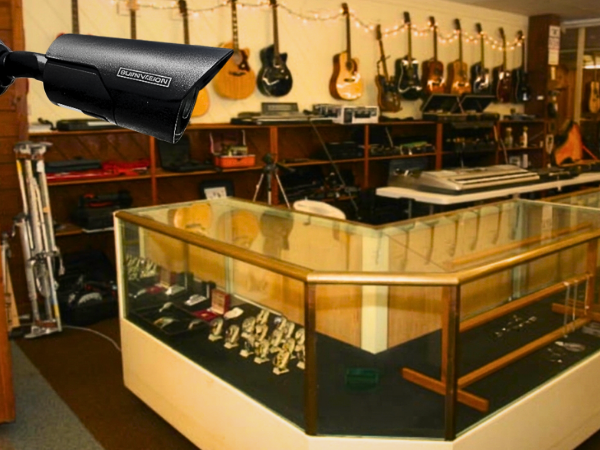
CCTV Monitoring for Pawn Shops: Protect High-Value Inventory, Staff Safety, and Transaction Records Around the Clock
In September 2025, five masked and armed suspects entered a pawn shop in East Oakland. Employees returned fire. Two suspects were killed. Four people were injured, including the store owner. The entire incident was captured on security cameras. Nobody watching those cameras could have intervened before the gun battle started.
In February 2026, a man in San Antonio was arrested on three counts of aggravated robbery after storming a Cash America Pawn location with a firearm, ordering workers and customers to stay still while an accomplice smashed a jewellery display case and took $12,000 in merchandise. In December 2025, a masked suspect used a mini sledgehammer to shatter a display case at a Cash America Pawn in Auburn, Washington, making off with multiple pieces of jewellery before fleeing in a vehicle with no plates.
These incidents happen at pawn shops across the country because pawn shops combine the three things criminals want most: high-value inventory visible through glass cases, cash transactions on the counter, and limited security staff.
CCTV monitoring for pawn shops turns cameras from evidence collectors into prevention tools. GCCTVMS provides 24/7 live CCTV monitoring and camera monitoring services for pawn shops across the USA, UK, Singapore, and Pakistan.
What CCTV Monitoring for Pawn Shops Actually Covers
Most pawn shops have cameras. Many have 8 to 16 cameras covering the sales floor, display cases, and back office. The footage records to a DVR. Nobody watches it live. When a robbery happens, the owner reviews the footage, hands it to the police, and starts replacing inventory.
That is recorded CCTV. That is not CCTV monitoring for pawn shops.
Real CCTV monitoring for pawn shops means trained operators at a remote monitoring centre watch live feeds covering every display case, every transaction counter, every entrance, the back office, the safe, and the parking lot simultaneously. They see the person casing the store for 20 minutes without purchasing anything. They spot the group arriving together but entering separately. They catch the after-hours break-in attempt before the door is breached.
OffPeak’s guide on CCTV monitoring for pawn shops explains how monitored cameras transform pawn shop security from reactive to preventive. GCCTVMS professional monitoring services add trained operators to any existing pawn shop camera system.
The Threats Every Pawn Shop Owner Faces
Armed Robbery During Business Hours
Pawn shops are among the highest-risk retail environments for armed robbery. The inventory is high-value, compact, and immediately sellable. Gold, diamonds, electronics, firearms (in licensed locations), and branded watches sit behind glass within arm’s reach. Cash is handled at the counter all day. The FBI data shows the average value taken during a robbery is $2,119, but pawn shop robberies regularly exceed $5,000 to $50,000 because of the concentrated inventory value.
The iPawn Detroit incident in August 2024 showed the reality: a suspect with a hammer took 20 swings at a bulletproof display case containing Rolexes and Cartier glasses. The glass held. But in most pawn shops, display cases are standard retail glass that shatters on the first hit. Without live monitoring, the smash-and-grab completes in 30 seconds.
CCTV monitoring for pawn shops with live operators catches the approach behaviour. A person who walks in wearing a face covering, checks sight lines, and positions themselves near the highest-value display case is not a customer browsing. An operator who sees this pattern alerts staff through a discreet intercom and dispatches police while the suspect is still assessing the target. GCCTVMS threat detection and real-time security monitoring provides this pre-incident awareness layer.
Smash-and-Grab Theft
Smash-and-grab attacks at pawn shops follow a consistent pattern. One or two people enter. One distracts the staff or holds them at gunpoint. The other smashes display cases and fills a bag. The entire event takes under 90 seconds. By the time police respond, the suspects are in a vehicle with no plates driving in the opposite direction.
Xpanda Security Gates’ guide on pawn shop security explains how physical barriers like security gates work in combination with camera monitoring services to delay and deter smash-and-grab crews. Live security camera monitoring catches the crew approach in the parking lot before they enter the store.
After-Hours Break-Ins
Pawn shops close at 6 PM, 7 PM, or 8 PM. The building sits empty until morning. High-value inventory stays in display cases or safes overnight. Thieves know the schedule. They know most pawn shop alarms send a notification to a monitoring company that calls the owner, who then calls the police. By the time that chain completes, the thief has 15 to 20 minutes inside the store.
The Grand Forks, North Dakota incident in August 2024 showed the pattern: a man used a cutting tool to breach the front door at 2:13 AM, ran through the store, checked the back office safe, and left before officers arrived. He went on to commit an armed robbery at a gas station an hour later.
CCTV monitoring for pawn shops with live operators watching exterior cameras catches the breach attempt at the door, not 15 minutes later when the alarm company completes its phone tree. The operator sees the cutting tool at the front door and dispatches police while the intruder is still outside. GCCTVMS night vision monitoring and remote monitoring and control covers pawn shops through every overnight hour.
Transaction Fraud and Stolen Property
Pawn shops are required by law to document every transaction with a description of the item, the seller’s identification, and in most jurisdictions, a photograph of the item and the seller. Cameras covering the buy counter create a secondary documentation layer that protects the pawn shop when law enforcement investigates whether a pawned item was stolen property.
Without video of the transaction, the pawn shop has only a paper receipt and an ID photocopy. With video, the shop has the seller’s face, their behaviour, and the item changing hands on timestamped footage. Pawn Shop Marietta’s guide on safeguarding valuables covers storage and documentation best practices.
Employee Theft and Cash Register Fraud
Pawn shops handle cash transactions all day. Inventory moves in and out constantly. The combination of cash handling and high turnover of merchandise creates significant internal theft exposure. Employees who handle buy transactions can underpay sellers and pocket the difference. Staff who manage the display floor can misplace items into personal bags. CCTV monitoring for pawn shops with live operators watching cash handling zones and inventory movement catches these patterns before the cumulative loss reaches thousands.
Where Cameras Belong in a Pawn Shop
Every Display Case
Each display case needs a camera covering the customer-facing exterior and the interior items. Dome cameras at ceiling level provide wide coverage. Case-level cameras provide the close angles needed to document smash-and-grab events and identify which items were taken.
Buy Counter and Transaction Area
The buy counter is where sellers present items, IDs are scanned, and cash changes hands. Cameras need to cover the seller’s face, the item on the counter, and the cash register. This footage satisfies regulatory documentation requirements and protects against transaction fraud disputes.
Main Entrance and All Exits
Every entrance and exit needs a camera at face height. These cameras provide the primary identification footage for robbery suspects and document everyone who enters and exits the property. GCCTVMS commercial surveillance and video surveillance monitoring covers all access points.
Back Office, Safe, and Storage
The back office camera covers the safe, the inventory staging area, and any restricted-access storage. After-hours safe access triggers an immediate operator alert. GCCTVMS access control integration pairs camera footage with electronic access logs at the safe.
Parking Lot and Exterior
Parking cameras with license plate capture cover every vehicle that enters the property. These cameras catch the vehicle used in a robbery, document the approach pattern, and provide the plate data police need for pursuit. GCCTVMS outdoor surveillance and parking lot monitoring covers exterior zones around the clock.
How CCTV Monitoring for Pawn Shops Works in Real Time
Scenario 1: Armed Robbery Prevention. At 5:40 PM, 20 minutes before closing, an operator watching the entrance camera sees two people arrive in a vehicle with obstructed plates. Both exit wearing hoodies and gloves. One enters first, walks directly to the highest-value display case without browsing. The second stays near the entrance. The operator alerts staff through the store intercom and dispatches police. Officers arrive within 4 minutes. The two individuals see the patrol car and return to their vehicle without entering. No robbery occurs.
Scenario 2: After-Hours Breach Attempt. At 1:15 AM, the operator watching the rear exterior camera sees a person approach the back door with a pry bar. The operator activates two-way audio surveillance through the building speaker: “This property is under live monitoring. Your presence and vehicle have been recorded. Police have been dispatched.” The person drops the pry bar and runs. No entry is made. The footage and plate capture are forwarded to police.
Scenario 3: Transaction Fraud Documentation. A customer sells a gold bracelet at 3 PM on a Wednesday. Two weeks later, police contact the pawn shop identifying the bracelet as stolen property. The shop provides timestamped footage of the seller’s face, the item presentation, the ID check, and the cash exchange. The seller is identified and arrested within days. The pawn shop’s documented CCTV monitoring for pawn shops protocol protects the business from receiving-stolen-property allegations.
Security Sales’ report on pawn shop video verification explains how verified video monitoring reduces false alarms and focuses police response on confirmed threats.
GCCTVMS provideslive video monitoring and video monitoring services trained for high-value retail environments including pawn shops.
CCTV Monitoring for Pawn Shops vs. Hiring Armed Guards
An armed security guard for a pawn shop costs $4,000 to $7,000 per month. That guard watches the sales floor but cannot simultaneously monitor the parking lot, back office, and exterior perimeter. When the guard steps into the back to handle a vendor delivery, the sales floor is unmonitored.
CCTV monitoring for pawn shops costs $200 to $500 per month and covers every camera simultaneously. Operators watch the floor, the cases, the back office, the safe, and the parking lot at the same time. Most pawn shop owners who combine an armed guard during peak hours with CCTV monitoring for full-coverage awareness get the best of both: physical deterrence at the counter and 360-degree monitoring everywhere else.
GCCTVMS remote guarding services and business surveillance delivers broader coverage than a single guard at a fraction of the cost.
Insurance and Regulatory Compliance
Pawn shop insurance premiums are among the highest in retail because of the concentrated high-value inventory and elevated robbery risk. Documented live CCTV monitoring with verified dispatch records directly supports insurer negotiations. Most commercial property and inland marine insurers offer 5% to 15% premium reductions for pawn shops with verified CCTV surveillance services.
Regulatory compliance in most US states also requires pawn shops to maintain video records of all buy transactions for 30 to 90 days. CCTV monitoring for pawn shops with properly configured retention settings satisfies these requirements automatically.
GCCTVMS camera monitoring services and surveillance monitoring produce insurance-grade documentation for every incident and satisfy regulatory retention requirements.
How GCCTVMS Monitors Pawn Shops
GCCTVMS connects to your existing camera system. Any brand. Any pawn shop size. Single-location independent operation or multi-location chain. We add trained operators who watch your feeds around the clock.
Our operators understand high-value retail environments. They know what pre-robbery casing looks like at a jewellery display. They know the difference between a customer examining a watch and a person measuring the glass thickness. They know that two people arriving in a car with no plates and entering separately are not casual shoppers. They alert your staff, dispatch police, and document every incident with the timestamps law enforcement, insurers, and regulators need.
GCCTVMS provides CCTV monitoring for pawn shops across single locations and multi-site operations. USA, UK, Singapore, and Pakistan coverage from one monitoring centre. Sub-60-second response time. Full incident documentation.
Contact our team to discuss monitoring for your pawn shop, or Get a Free 30-min Call to review your current camera setup and security gaps.
About the Author
By M. Huzaifa Rizwan
Content Writer │ SEO Executive │ Ads Expert
I write about CCTV monitoring, remote surveillance, and business security at GCCTVMS. My work covers SEO content production, ad strategy, and marketing operations across the USA, UK, Singapore, and Pakistan. Outside of GCCTVMS, I write on tech and lifestyle topics for TechSurges, Medium, and Substack.
FAQ’s
What is CCTV monitoring for pawn shops?
CCTV monitoring for pawn shops means trained operators at a remote centre watch live camera feeds covering every display case, buy counter, entrance, back office, safe, and parking lot. They detect robbery approaches, smash-and-grab setups, after-hours break-in attempts, and transaction fraud in real time and respond with audio warnings, staff alerts, and police dispatches.
Why are pawn shops high-risk for robbery?
Pawn shops store high-value, compact, immediately sellable inventory behind glass cases. Gold, diamonds, electronics, and watches sit within reach. Cash transactions happen at the counter all day. The combination of visible inventory, cash handling, and limited staffing makes pawn shops among the highest-risk retail environments for armed robbery.
Where should cameras be placed in a pawn shop?
Cameras belong at every display case (interior and exterior angles), the buy counter and transaction area, every entrance and exit at face height, the back office and safe, inventory storage, and the parking lot with license plate capture. Each zone serves a specific security and regulatory function.
Does CCTV monitoring help with pawn shop regulatory compliance?
Yes. Most US states require pawn shops to maintain video records of buy transactions for 30 to 90 days. CCTV monitoring for pawn shops with proper retention settings satisfies these requirements automatically while also providing real-time security during business hours.
How much does CCTV monitoring for pawn shops cost?
CCTV monitoring services for pawn shops cost $200 to $500 per month depending on camera count and coverage hours. Compare that to $4,000 to $7,000 per month for one armed security guard.
Can CCTV monitoring prevent smash-and-grab attacks at pawn shops?
Yes. Live security camera monitoring with operators watching entrance cameras and parking lots catches the crew approaching before they enter the store. Audio warnings and police dispatch during the approach phase stop most attacks before the first display case is touched.
Does CCTV monitoring protect against transaction fraud and stolen property claims?
Yes. Cameras covering the buy counter with timestamped footage document the seller’s face, the item, the ID check, and the cash exchange. When law enforcement investigates stolen property, this footage protects the pawn shop and helps identify the seller.
How does CCTV monitoring cover pawn shops after hours?
Operators watch exterior and interior cameras through every overnight hour. Break-in attempts at doors, windows, or walls trigger immediate audio warnings and police dispatch. The response happens at the door, not 15 minutes later through an alarm company phone tree.
Can one CCTV monitoring service cover multiple pawn shop locations?
Yes. GCCTVMS provides remote CCTV monitoring services for multi-location pawn shop operations from one monitoring centre. Every location gets the same operator training, response time, and incident report format.
Does GCCTVMS connect to existing pawn shop camera systems?
Yes. GCCTVMS connects to any existing camera brand and infrastructure without requiring hardware replacement. Operators begin monitoring your pawn shop feeds once the connection is configured.
