




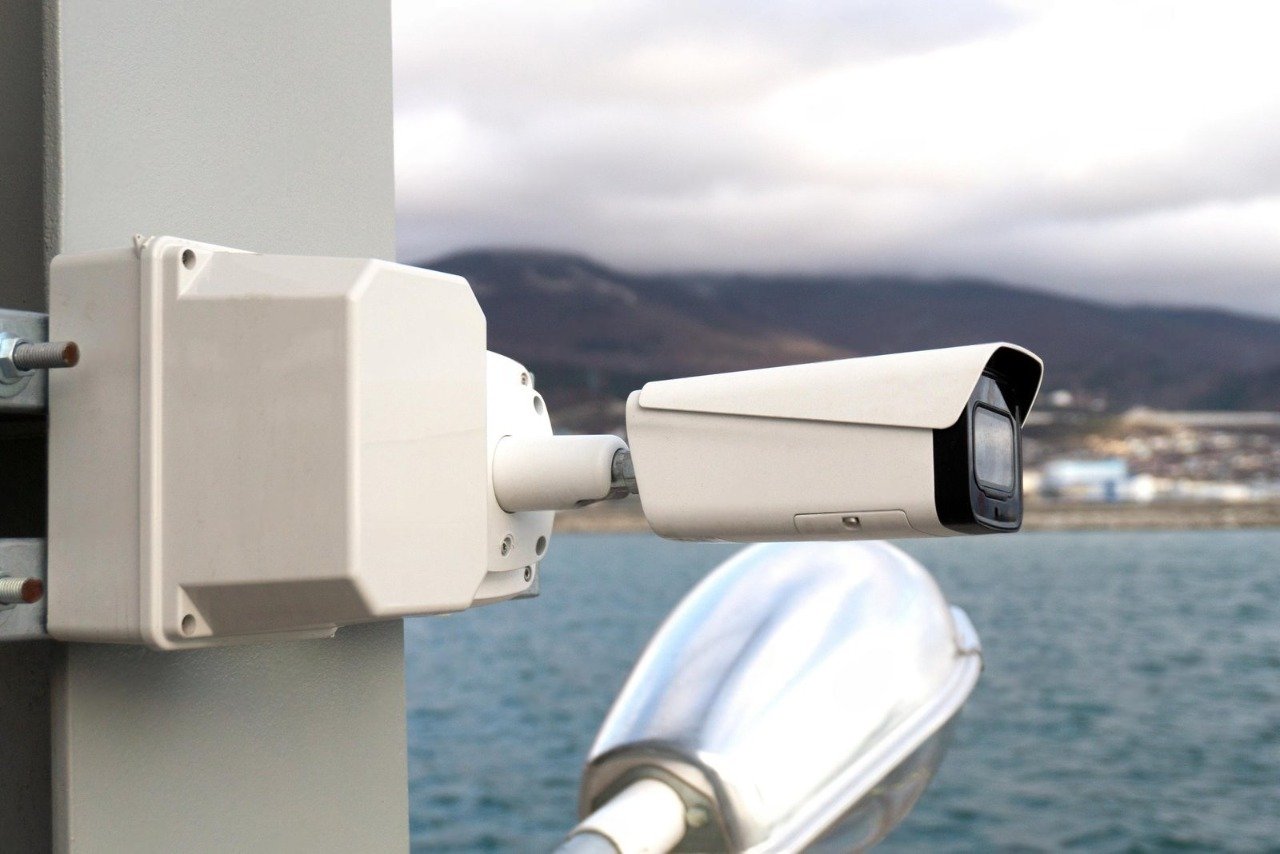
CCTV Monitoring for Ship Docks: Complete Security Guide
Maritime cargo theft costs the global shipping industry over $15 billion annually. Ship docks present unique security challenges that traditional monitoring systems struggle to address: 24-hour operations across vast outdoor areas, high-value cargo in transit, restricted access zones requiring constant oversight, weather-resistant equipment needs, and coordination between vessels, personnel, and port authorities.
CCTV monitoring for ship docks transforms these vulnerable points into protected maritime hubs. Professional monitoring services provide continuous surveillance of loading operations, cargo storage areas, vessel berthing zones, perimeter security, and personnel movement—preventing theft, unauthorized access, and safety incidents before they impact operations.
This isn’t about installing cameras and hoping they deter criminals. Ship docks need comprehensive security system monitoring designed specifically for maritime environments, with operators trained to recognize dock-specific threats and coordinate responses across complex port operations.
Why Ship Docks Need Specialized CCTV Monitoring
Maritime facilities face security threats that differ fundamentally from standard commercial properties. Understanding these challenges explains why generic surveillance systems fail at ship docks while specialized CCTV monitoring services succeed.
24-Hour Operational Requirements: Unlike retail stores or office buildings with predictable operating hours, ship docks function continuously. Vessels arrive at any hour requiring immediate loading/unloading operations. Cargo moves through facilities during nights, weekends, and holidays. This constant activity creates persistent security needs that never pause.
Traditional security approaches struggle with continuous coverage. Security guards experience fatigue during long overnight shifts. Unmonitored cameras record activity, but nobody responds to threats in real-time. Professional 24/7 surveillance monitoring maintains consistent attention regardless of hour, weather, or operational tempo—operators watching feeds continuously never experience the attention lapses that compromise dock security.
Vast Outdoor Coverage Areas: Ship docks span enormous outdoor spaces—often hundreds of acres including berths, cargo yards, container storage, warehouses, maintenance facilities, and perimeter fencing. Securing these expansive areas requires strategic camera placement and professional monitoring that can track activity across multiple zones simultaneously.
A single dock facility might need 50-100 cameras covering different operational areas. Managing this camera count effectively requires remote CCTV monitoring with operators trained in maritime operations who understand normal activity patterns versus suspicious behavior. When cameras detect unusual movement in cargo storage at 3 AM, operators verify whether it’s legitimate operations or attempted theft.
High-Value Cargo Vulnerability: Shipping containers hold valuable goods worth millions. Electronics, pharmaceuticals, luxury items, and industrial equipment sit in dock storage awaiting vessel loading. This concentrated value attracts organized theft rings who target docks systematically.
Port security statistics reveal that cargo theft occurs most frequently during transit periods—between vessel unloading and warehouse storage, or between storage and vessel loading. These vulnerable windows require intensive monitoring that camera monitoring services provide through constant oversight of cargo movement, immediately detecting unauthorized access to containers or suspicious activity around high-value shipments.
Weather and Environmental Challenges: Maritime environments subject equipment to harsh conditions: salt spray corrosion, extreme temperatures, high winds, rain, and fog. Standard commercial cameras designed for controlled indoor environments fail quickly in dock conditions. Ship docks need ruggedized commercial security cameras specifically rated for maritime use with weatherproof housings, corrosion-resistant materials, and performance maintained across temperature extremes.
Professional CCTV surveillance for docks includes regular equipment maintenance, weather-specific adjustments (increased monitoring during fog when visibility drops), and backup systems ensuring continuous coverage even when individual cameras experience temporary weather-related issues. This comprehensive approach maintains protection regardless of environmental challenges.
Complex Access Control: Ship docks manage multiple stakeholder groups: port employees, vessel crews, trucking companies, customs officials, stevedores, and maintenance contractors. Each group needs specific access to certain areas at particular times. Managing this complexity while maintaining security requires sophisticated security surveillance system integration.
Access control systems linked with video surveillance create comprehensive protection. When access cards grant entry, cameras automatically verify that authorized individuals actually entered rather than unauthorized personnel following through. This integration catches piggybacking attempts, stolen credential use, and access violations that separate systems would miss.
CCTV Monitoring for Ship Docks USA: Port Security Requirements
United States port facilities operate under strict Transportation Security Administration (TSA) and Coast Guard regulations requiring comprehensive security measures. CCTV monitoring for ship docks in the USA must meet federal Maritime Transportation Security Act (MTSA) standards while addressing the operational needs of American ports.
Regulatory Compliance Framework: U.S. maritime facilities classified under MTSA must implement security plans including surveillance systems covering all facility access points, cargo handling areas, and restricted zones. Federal inspectors verify that surveillance capabilities meet minimum standards during regular compliance audits.
Professional CCTV monitoring companies serving U.S. docks understand these requirements, ensuring camera placement, recording retention, and monitoring procedures satisfy federal mandates. Non-compliance risks facility certification revocation, halting all operations until violations are corrected—making regulatory-compliant monitoring essential rather than optional.
Integration with Port Authority Systems: Major U.S. ports coordinate security across multiple terminals through centralized Port Authority systems. Individual terminal operators connect their video surveillance system to Authority monitoring centers, creating comprehensive port-wide awareness. When suspicious activity appears at one terminal, Port Authority can track individuals or vehicles across the entire port complex through integrated camera networks.
This coordination requires remote surveillance monitoring capabilities enabling seamless data sharing between terminal operators and Port Authority security. Professional monitoring services facilitate this integration, ensuring terminal cameras feed both on-site security and central Port Authority operations.
Cargo Screening and Verification: U.S. Customs and Border Protection requires documentation and inspection of incoming cargo. Video surveillance supports these processes by recording cargo movements from vessel unloading through customs clearance and warehouse storage. When customs officials question shipment contents or documentation, video evidence provides verification of actual cargo handling.
Live security camera monitoring captures loading/unloading operations in detail, documenting that sealed containers arrived intact and remained unopened until customs inspection. This documentation protects shipping companies from liability for cargo discrepancies while helping authorities identify when and where tampering occurred if shipments are compromised.
Critical Infrastructure Protection: U.S. ports qualify as critical infrastructure under the Department of Homeland Security designation. This classification brings enhanced security requirements and federal support for protective measures, including surveillance systems. However, it also increases threat levels—terrorist organizations and foreign intelligence services target ports for reconnaissance and potential attacks.
Professional security camera monitoring service for U.S. docks includes threat recognition training for operators monitoring maritime facilities. They’re trained to identify surveillance activities (individuals photographing facilities, vehicles loitering near perimeters), suspicious packages, and behavior patterns indicating potential threats beyond routine theft or vandalism.
CCTV Monitoring for Ship Docks UK: Maritime Security Standards
United Kingdom port facilities operate under International Ship and Port Facility Security (ISPS) Code requirements implemented through Department for Transport regulations. CCTV monitoring for ship docks UK addresses both international maritime security standards and domestic port operation needs.
ISPS Code Compliance: The ISPS Code, mandatory for UK ports handling international shipping, establishes security level protocols requiring specific surveillance capabilities. Security Level 1 (normal operations) requires comprehensive camera coverage of all access points and cargo areas. Security Level 2 (heightened threat) demands enhanced monitoring with additional operator attention. Security Level 3 (imminent threat) activates maximum surveillance with real-time coordination with law enforcement and intelligence agencies.
Professional CCTV monitoring services for UK docks maintain capabilities to scale monitoring intensity based on current security levels. When threats elevate levels, operators increase attention on specific cameras, coordinate with port security officers, and implement enhanced verification procedures for all personnel and vehicle access.
Port Security Officer Coordination: UK maritime facilities must designate port security officers responsible for implementing security plans and coordinating with government authorities. These officers rely on video monitoring system data to make operational decisions about access control, cargo-handling procedures, and threat responses.
Professional monitoring services work directly with port security officers, providing real-time incident reports and maintaining communication channels, ensuring quick responses to detected threats. This coordination transforms surveillance from passive recording into active security management integrated with overall facility operations.
Weather and Tidal Considerations: UK coastal conditions present particular monitoring challenges: frequent fog reducing visibility, tidal variations changing water levels affecting vessel access, and storm conditions interrupting operations. Camera security systems for business installations at UK docks need specific capabilities addressing these conditions.
Thermal imaging cameras supplement standard visible-light cameras, maintaining detection capabilities during fog or darkness when standard cameras lose effectiveness. Night vision monitoring ensures continuous coverage regardless of weather or lighting conditions. Professional operators understand how environmental conditions affect camera performance and adjust monitoring approaches accordingly.
Brexit Import Control Changes: Post-Brexit customs procedures increased documentation and inspection requirements for goods entering the UK through ports. This created additional cargo verification needs requiring enhanced CCTV surveillance of customs inspection areas and temporary storage zones holding goods awaiting clearance.
Video documentation supports customs declarations by recording actual cargo handling, providing evidence if disputes arise about shipment contents or condition upon arrival. This protection benefits both importers and port operators by creating indisputable records of cargo status during port handling.
CCTV Monitoring for Ship Docks Singapore: Asia-Pacific Port Hub Security
Singapore operates one of the world’s busiest port complexes, handling over 37 million TEU (twenty-foot equivalent units) annually. CCTV monitoring for ship docks Singapore addresses ultra-high-volume operations, advanced automation integration, and stringent government security requirements.
Port of Singapore Authority Requirements: The Maritime and Port Authority of Singapore (MPA) mandates comprehensive security systems for all licensed port facilities. These requirements include surveillance coverage of every operational area, integration with port-wide security networks, and compliance with Singapore’s Personal Data Protection Act regarding camera footage handling.
Professional security service providers serving Singapore docks navigate both operational requirements and legal compliance, ensuring systems meet MPA standards while respecting privacy regulations for dock workers and port visitors. This balance requires careful camera placement avoiding areas where privacy expectations exist while maintaining complete coverage of operational and security-critical zones.
Smart Port Technology Integration: Singapore leads global adoption of smart port technologies, including automated container handling, autonomous vehicles, and AI-assisted traffic management. CCTV surveillance system integration with these automated systems creates comprehensive operational awareness.
Intelligent surveillance analyzes video feeds in conjunction with automation system data, identifying anomalies like containers placed in wrong storage locations, automated vehicles deviating from programmed routes, or loading operations progressing slower than scheduled. This integration enables both security monitoring and operational optimization through single surveillance infrastructure.
Multi-Terminal Coordination: Singapore’s port complex includes dozens of specialized terminals operated by different companies—container terminals, bulk cargo facilities, petroleum storage, and passenger cruise terminals. Coordinating security across these diverse operations requires commercial video surveillance system networks enabling information sharing while maintaining operational separation between competing terminal operators.
Professional camera monitoring system providers facilitate this coordination, operating centralized monitoring centers serving multiple terminals while maintaining data segregation ensuring competitive information remains confidential. Operators detect security threats and coordinate responses across terminals without accessing commercially sensitive operational data.
Regional Security Cooperation: Singapore participates in regional maritime security initiatives coordinating with neighboring countries on piracy prevention, smuggling interdiction, and customs enforcement. Port surveillance systems contribute to these efforts by identifying vessels or individuals flagged in regional security databases.
Video monitoring system integration with regional security information sharing platforms enables Singapore port operators to receive alerts about vessels of concern approaching their facilities. This advance warning allows enhanced monitoring and security preparations before high-risk vessels arrive, preventing security incidents before they reach Singapore waters.
CCTV Monitoring for Ship Docks Pakistan: Emerging Maritime Infrastructure Protection
Pakistan’s ports—Karachi Port, Port Qasim, and Gwadar Port—serve as critical trade gateways for the nation and broader region. CCTV monitoring for ship docks in Pakistan addresses developing infrastructure security needs, regional threat environments, and growing international trade volumes.
China-Pakistan Economic Corridor Impact: The CPEC initiative dramatically increased cargo volumes through Pakistani ports, particularly Gwadar. This growth created urgent security infrastructure needs protecting high-value cargo and critical port facilities from theft, sabotage, and terrorist threats.
Remote CCTV monitoring services provide cost-effective security for rapidly expanding port operations. Rather than recruiting, training, and deploying dozens of security guards across vast new facilities, professional monitoring delivers comprehensive coverage through strategic camera placement and centralized operator oversight.
Regional Security Threats: Pakistani ports face security challenges including organized cargo theft rings, smuggling operations, and potential terrorist targeting of maritime infrastructure. These threats require security surveillance system capabilities beyond standard commercial security.
Threat detection training for operators monitoring Pakistani ports includes recognition of suspicious behavior patterns specific to regional threats: vehicles loitering near perimeter fencing, individuals conducting surveillance photography, packages or objects left near critical infrastructure, or coordinated activities suggesting planned theft or attack preparation.
Local Market Equipment Considerations: Pakistan’s security equipment market includes products ranging from premium European and American systems to budget Chinese alternatives. Selecting appropriate site security cameras requires balancing cost constraints with reliability needs and environmental suitability for coastal installations.
Professional CCTV monitoring service providers guide equipment selection based on actual port conditions and budgets, often recommending mid-tier systems offering acceptable reliability at sustainable costs rather than pushing expensive premium equipment beyond client budgets or cheap systems that fail quickly in harsh maritime environments.
Customs and Anti-Smuggling: Pakistan Customs works to prevent smuggling through ports, requiring surveillance documentation of cargo movements supporting customs declarations. Security camera monitoring service for Pakistani ports includes specific attention to cargo screening areas, temporary storage zones, and loading/unloading operations where smuggled goods might be introduced or removed from legitimate shipments.
Video evidence assists customs investigations when suspicious activities are reported, providing documentation of who handled specific containers, when cargo was moved, and whether sealed shipments remained intact throughout port handling. This capability helps customs authorities identify smuggling methods and prosecution evidence against individuals involved in illegal cargo operations.
Camera Placement Strategy for Comprehensive Dock Coverage
Effective CCTV monitoring for ship docks requires strategic camera placement addressing all security zones while optimizing coverage efficiency. Professional installations balance complete surveillance with cost management through intelligent positioning.
Berth and Vessel Monitoring: Cameras positioned at each berth monitor vessel docking operations, cargo loading/unloading, and personnel access between dock and ship. These cameras provide critical documentation of cargo quantities loaded/unloaded, identify all individuals boarding vessels, and capture any incidents occurring during berthing operations.
High-resolution cameras with optical zoom capabilities allow operators to read container numbers, vessel identification, and documentation held by personnel from significant distances. This zoom capability enables verification without requiring physical inspection of every operation, reducing security personnel needs while maintaining oversight.
Cargo Yard and Container Storage: Container yards present particular challenges: hundreds or thousands of containers stacked creating blind spots, constant movement as containers are positioned and retrieved, and vast areas requiring coverage. Commercial security cameras for cargo yards need wide-angle lenses covering large areas while maintaining sufficient detail to identify individuals and vehicle license plates.
Professional installations position cameras at intersections of container rows, providing visibility down multiple aisles from single camera positions. Elevated mounting on light poles or purpose-built towers gives cameras clear sight lines over container stacks, eliminating blind spots where theft or unauthorized access might occur undetected.
Access Control Points: Every gate, pedestrian entrance, and vehicle checkpoint needs dedicated camera coverage capturing all individuals and vehicles entering/exiting facilities. Access control for data centers principles apply equally to port security: visual verification supplements electronic access systems, ensuring only authorized personnel gain entry.
License plate recognition cameras at vehicle gates automatically capture and log every vehicle entering docks, creating searchable databases useful for investigations after security incidents. When cargo goes missing, authorities can identify all vehicles present during relevant time periods, dramatically narrowing suspect pools and accelerating investigations.
Perimeter Security: Perimeter fencing around ship docks requires comprehensive camera coverage detecting fence climbing, cutting, or breaching attempts. Thermal imaging cameras supplement visible-light cameras, maintaining detection capabilities during darkness or fog when standard cameras lose effectiveness.
Motion analytics trigger alerts when movement appears near perimeter fencing, drawing operator attention to potential intrusion attempts. This automated detection ensures operators notice threats even when monitoring dozens of cameras simultaneously across large facilities.
Administrative and Operational Buildings: Warehouses, customs offices, port administration buildings, and maintenance facilities need interior and exterior coverage. These buildings house valuable equipment, sensitive documents, and computers containing operational data requiring protection beyond general yard security.
Interior cameras monitor access to restricted areas within buildings, cargo inspection zones, and high-value storage rooms. Exterior building cameras watch approaches, entrances, and loading docks where goods transfer between outdoor yards and indoor storage.
Integration with Maritime Operations and Port Management Systems
Modern CCTV surveillance for ship docks extends beyond security, integrating with operational management systems, creating comprehensive situational awareness supporting both protection and efficiency.
Vessel Traffic Management: Port traffic management systems track vessel movements from approach through berthing, cargo operations, and departure. Integrating a video surveillance system with traffic management provides visual confirmation of vessel positions, validates automated tracking data, and documents berthing operations.
When discrepancies appear between automated tracking and visual observation, operators investigate potential system errors or attempts to deceive tracking systems. This verification prevents navigation incidents and identifies vessels attempting to obscure their movements for smuggling or other illegal activities.
Cargo Management Systems: Terminal operating systems track container locations throughout port facilities, managing the complex logistics of storing thousands of containers and retrieving specific units for loading operations. Surveillance integration with these systems enables visual verification of container movements, confirming that physical container positions match database records.
When systems show containers in specific yard positions but cameras reveal those spots empty, operators investigate discrepancies that might indicate theft, system errors, or misplaced containers requiring location verification before vessels requiring those units arrive for loading.
Labor Management and Safety: Dock operations involve hundreds or thousands of workers operating heavy equipment in hazardous environments. Security surveillance system cameras serve dual purposes: security monitoring and safety oversight identifying unsafe practices before accidents occur.
Operators watching live feeds detect workers entering restricted zones without proper protective equipment, vehicles operating at unsafe speeds, or loading operations proceeding improperly creating collision risks. Immediate intervention through radio contact with supervisors prevents accidents that injure personnel and disrupt operations.
Customs and Regulatory Compliance: Customs authorities require documentation of cargo handling supporting import/export declarations. Video surveillance provides this documentation automatically, recording every stage of cargo movement from vessel unloading through customs inspection and final warehouse storage.
This comprehensive documentation protects both port operators and customs authorities. Ports prove they handled cargo properly and containers remained sealed until inspection. Customs officials have evidence if discrepancies between declarations and actual cargo require investigation of potential smuggling.
Real-Time Threat Detection and Incident Response
The defining characteristic separating professional CCTV monitoring services from passive recording systems is real-time threat detection and immediate response coordination, turning cameras into active protection rather than documentation tools.
Continuous Operator Surveillance: Professional monitoring centers staff trained operators watching feeds continuously during contracted coverage hours. These operators don’t simply respond to alarms—they actively observe video feeds, recognize developing situations before they become incidents, and trigger appropriate responses.
When operators notice vehicles loitering near perimeter fencing outside normal operations hours, they don’t wait for fence breaches triggering alarms. They immediately alert on-site security, increasing attention on those cameras, and prepare law enforcement contact information for immediate dispatch if suspicious activity escalates to intrusion attempts.
Behavior Pattern Recognition: Experienced operators recognize normal versus suspicious behavior patterns through extensive training and ongoing experience monitoring maritime facilities. They distinguish between legitimate late-night operations (scheduled vessel arrivals, overtime cargo handling) and suspicious activity (individuals climbing on containers, vehicles making repeated passes through yards, personnel accessing areas outside their authorization).
This behavioral analysis catches threats that automated systems miss. Motion detection flags all movement equally—legitimate workers and thieves trigger identical alerts. Human operators identify that workers move purposefully toward specific tasks while thieves move stealthily, frequently checking surroundings, and focus on high-value cargo areas.
Multi-Camera Tracking: When operators identify suspicious individuals or vehicles, they coordinate tracking across multiple cameras maintaining visual contact as subjects move through facilities. This tracking provides comprehensive incident documentation while enabling real-time response coordination.
If suspicious individuals enter cargo yard, operators track their movements, document which containers they approach, and maintain visual contact while coordinating security personnel response. This guidance ensures security officers intercept suspects quickly without searching entire facilities.
Two-Way Audio Intervention: Two-way audio surveillance capabilities allow operators to communicate directly through camera speakers, issuing warnings to individuals engaged in suspicious activity. “Security is monitoring you. You are in a restricted area. Leave immediately or police will be contacted.”
This direct confrontation often stops theft attempts before merchandise is taken. Most criminals assume dock cameras merely record footage nobody watches until after incidents. Verbal warnings prove someone watches in real-time, dramatically increasing perceived apprehension risk causing most criminals to abandon theft attempts immediately.
Emergency Coordination: During serious incidents—fires, vessel collisions, hazardous material spills—surveillance operators coordinate emergency responses by providing real-time situation assessment to responding authorities. They describe incident locations precisely, identify how many people are affected, and document developing situations guiding response decisions.
Fire and safety monitoring integration enables operators to detect fires early, trigger facility evacuation systems, and guide firefighters to exact incident locations. This coordination saves lives and reduces property damage through faster, more targeted emergency responses.
Cost Analysis: Professional Monitoring Versus Traditional Security
Ship dock operators evaluating CCTV monitoring services need a clear understanding of costs compared to traditional security approaches. Professional monitoring delivers superior coverage at substantially lower operational expenses than guard-based security.
Traditional Security Guard Costs: Securing a medium-sized ship dock facility (50-acre terminal) with traditional security guards requires the following:
- 4 guards per shift for adequate coverage (entrance gate, cargo yard patrol, administration building, berth monitoring)
- 3 shifts daily for 24/7 coverage (day, evening, overnight)
- Total: 12 guard positions requiring hiring 15-16 actual guards accounting for days off, sick leave, and vacation coverage
Annual security guard costs for this coverage:
- Base wages: $30,000-45,000 per guard annually depending on location and experience
- Benefits and payroll taxes: Additional 30-40% of base wages
- Supervision: Security supervisor managing guards ($50,000-70,000 annually)
- Training and equipment: $5,000-10,000 annually
- Total: $650,000-950,000 annually for comprehensive guard coverage
Professional CCTV Monitoring Costs: Equivalent protection through professional monitoring includes:
- 40-60 cameras providing comprehensive coverage (berths, cargo yards, perimeters, buildings, access points)
- Equipment installation: $80,000-150,000 one-time investment depending on existing infrastructure and camera specifications
- Monthly monitoring service: $1,500-3,500 depending on camera count and coverage hours
- Annual equipment maintenance: $15,000-25,000 for cleaning, adjustments, and repairs
- Total: $135,000-210,000 annually after first-year equipment installation
Five-Year Cost Comparison:
- Security guards: $3.25-4.75 million over five years
- Professional monitoring: $755,000-1.2 million over five years (including initial equipment investment)
- Savings: $2.5-3.5 million over five years with professional monitoring
Beyond direct cost savings, professional security system monitoring delivers operational advantages that guards cannot match: simultaneous monitoring of all locations, consistent attention unaffected by fatigue, comprehensive video documentation of all incidents, and immediate access to recorded footage for investigations.
Weather-Resistant Equipment Requirements for Maritime Environments
Maritime environments subject surveillance equipment to conditions that rapidly degrade standard commercial cameras. Professional CCTV monitoring for ship docks requires purpose-built equipment specifications addressing coastal challenges.
Ingress Protection Ratings: Marine-rated cameras need a minimum IP67 ingress protection rating (complete dust sealing, immersion protection to 1 meter). Premium installations use IP68-rated cameras, offering superior water intrusion protection. These ratings ensure cameras withstand heavy rain, spray from vessel operations, and accidental submersion during dock flooding.
Standard commercial cameras typically offer IP65 protection (dust-tight, protected from water jets). While adequate for parking lots or building exteriors, IP65 cameras fail within months at ship docks, where salt spray and direct water exposure occur regularly.
Corrosion-Resistant Materials: Salt air corrodes standard metals rapidly. Maritime cameras require stainless steel or aluminum housings with additional protective coatings preventing corrosion. All mounting hardware needs marine-grade stainless steel specifications, preventing rust failures causing cameras to fall or lose proper positioning.
Budget installations using standard commercial cameras experience 30-50% equipment failure rates within the first year at coastal facilities. Professional maritime-rated equipment maintains 95%+ operational rates across similar periods, justifying higher initial equipment costs through dramatically lower replacement needs.
Temperature Performance: Dock cameras must function across extreme temperature ranges: -20°C to +50°C (-4°F to 122°F), common in various geographic locations. Cameras rated only for climate-controlled indoor environments fail when outdoor temperatures exceed specifications.
Professional commercial video surveillance equipment includes internal heaters maintaining operational temperatures during extreme cold and cooling systems preventing overheating during intense sun exposure to cameras mounted without shade protection. These environmental controls maintain reliable performance regardless of weather conditions.
Impact Protection: Dock environments include heavy equipment operations, flying debris during storms, and potential vandalism. Cameras need robust housings withstanding impacts that would shatter standard commercial equipment.
IK10 impact ratings (highest standard protection level) ensure cameras withstand direct strikes from 5kg objects dropped from 40cm—equivalent to sledgehammer blows. This protection prevents equipment damage from accidents (cranes striking cameras) and intentional vandalism (criminals attempting to disable surveillance before theft attempts).
GCCTVMS: Professional Maritime Monitoring Services
GCCTVMS provides specialized CCTV monitoring services designed specifically for maritime operations, serving ship docks across USA, UK, Singapore, Pakistan, and international markets. Our understanding of dock security requirements enables comprehensive protection through professional monitoring tailored to port operations.
Maritime-Specific Operator Training: GCCTVMS operators receive specialized training in port operations and maritime security threats. They understand normal dock activities, recognize suspicious behaviors specific to maritime environments, and coordinate with port authorities following established protocols.
Unlike generic security monitoring where operators watch diverse property types, our maritime-focused approach concentrates expertise on dock-specific threats. Operators quickly distinguish legitimate vessel crew movements from unauthorized dock access, identify cargo handling irregularities indicating theft, and recognize security threats specific to port facilities.
Multi-Location Coverage: GCCTVMS serves CCTV monitoring for ship docks across four continents, providing consistent service standards regardless of geographic location. Terminal operators with facilities in multiple countries receive uniform monitoring quality, simplified administration through a single service provider, and cross-terminal coordination when security threats involve multiple locations.
Our global monitoring solutions infrastructure supports seamless coverage across time zones. When vessels arrive at Singapore terminal at 3 AM local time (8 PM previous day in UK), operators provide full attention during loading operations despite outside normal business hours in other regions.
Integration Capabilities: GCCTVMS systems integrate with existing port infrastructure including access control systems, vessel traffic management, cargo tracking databases, and customs compliance platforms. This integration creates comprehensive situational awareness supporting both security and operational efficiency.
Our remote monitoring solutions include customizable dashboards providing port managers real-time visibility into security status, incident summaries, and operational metrics derived from surveillance data. This transparency enables informed decisions about security resource allocation and operational adjustments.
Scalable Service Levels: GCCTVMS offers flexible monitoring coverage matching operational requirements and budgets. Small terminals might contract business-hours monitoring covering daytime cargo operations while larger 24/7 facilities receive continuous coverage. We adjust service levels as operations expand without requiring new provider selection or system reconfiguration.
Our live video monitoring services scale from single-terminal installations (10-20 cameras) through multi-terminal operations (200+ cameras across several facilities). This scalability supports growth without forcing technology transitions or provider changes disrupting established security protocols.
Implementing Professional Monitoring at Your Dock Facility
Transitioning from basic surveillance to professional CCTV monitoring services requires structured implementation, ensuring smooth integration with existing operations while maximizing security effectiveness.
Initial Security Assessment: Implementation begins with a comprehensive facility security assessment, identifying vulnerabilities, evaluating existing camera infrastructure, and determining monitoring requirements. GCCTVMS security specialists conduct on-site evaluations examining the following:
- Current camera coverage identifying gaps requiring additional equipment
- Equipment condition assessing whether existing cameras meet maritime specifications or require replacement
- Network infrastructure verifying adequate bandwidth for video transmission to monitoring centers
- Access control integration determining requirements for unified security system operation
- Operational workflow understanding normal activities distinguishing them from suspicious behavior
This assessment produces detailed recommendations for equipment upgrades, camera additions, and monitoring service configuration optimized for your specific facility.
Equipment Installation and Optimization: Following assessment, GCCTVMS coordinates equipment installation including:
- Camera positioning optimizing coverage while minimizing equipment count controlling costs
- Network infrastructure upgrades ensuring reliable video transmission
- Integration with existing access control, alarms, and port management systems
- Environmental protection verification confirming all equipment meets maritime specification requirements
- Testing and adjustment ensuring optimal video quality under various lighting and weather conditions
Professional installation typically completes within 2-4 weeks for medium-sized terminals, minimizing operational disruption while establishing comprehensive coverage.
Operator Training and Familiarization: Before active monitoring begins, GCCTVMS operators undergo facility-specific training understanding:
- Facility layout and operational areas
- Normal operational activities and schedules
- Authorized personnel and vehicle types
- High-value cargo areas requiring enhanced attention
- Emergency procedures and local law enforcement contacts
- Port authority requirements and compliance protocols
This familiarization enables operators to distinguish normal operations from suspicious activity, reducing false alarms while ensuring genuine threats receive immediate attention.
Ongoing Optimization and Support: Professional monitoring isn’t static installation followed by passive operation. GCCTVMS provides continuous support including:
- Regular performance reviews assessing monitoring effectiveness
- Incident analysis identifying patterns suggesting security vulnerabilities
- Equipment maintenance ensuring cameras remain operational and properly positioned
- Software updates maintaining integration with evolving port management systems
- Training updates as new threats emerge or operational procedures change
This ongoing partnership maintains security effectiveness as facilities and threats change over time.
Start Protecting Your Maritime Operations Today
Ship docks represent critical infrastructure moving billions of dollars in cargo annually while facing persistent security threats from theft, smuggling, terrorism, and operational hazards. CCTV monitoring for ship docks transforms surveillance from passive recording into active protection preventing incidents through real-time operator oversight and immediate response coordination.
Professional security camera monitoring service delivers comprehensive coverage at costs 60-75% lower than traditional security guard approaches while providing superior consistency, documentation, and threat detection capabilities. Operators trained specifically in maritime security recognize dock-specific threats and coordinate with port authorities following established protocols.
Whether operating terminals in the USA, UK, Singapore, Pakistan, or anywhere globally, your facility needs protection matching the sophistication of threats facing modern maritime operations. Don’t wait for cargo theft, security breaches, or regulatory violations to expose surveillance gaps.
Contact GCCTVMS today for free maritime security assessment and discover how professional monitoring protects your dock operations while reducing security costs.
Get Your Free Security Assessment
Your cargo, vessels, and personnel deserve protection from operators who understand maritime security. Transform your cameras from recording equipment into active threat prevention with GCCTVMS professional monitoring services.
About the Author
By M. Huzaifa Rizwan
Content Writer │ SEO Executive │ Ads Expert
I write about CCTV monitoring, remote surveillance, and business security at GCCTVMS. My work covers SEO content production, ad strategy, and marketing operations across the USA, UK, Singapore, and Pakistan. Outside of GCCTVMS, I write on tech and lifestyle topics for TechSurges, Medium, and Substack.
FAQ’s
Why do ship docks need specialized CCTV monitoring versus standard commercial surveillance?
Ship docks face unique security challenges requiring specialized CCTV monitoring: 24/7 operations across vast outdoor areas, harsh maritime environments (salt spray, extreme weather), high-value cargo concentrations, complex access control for multiple stakeholder groups, and regulatory compliance requirements (MTSA in USA, ISPS Code internationally).
What camera specifications are required for maritime environments?
Maritime CCTV surveillance requires equipment meeting strict environmental specifications: minimum IP67 ingress protection (IP68 preferred) preventing water damage from rain and spray, corrosion-resistant housings (marine-grade stainless steel or coated aluminum) withstanding salt air exposure, operating temperature range -20°C to +50°C maintaining functionality across weather extremes, IK10 impact ratings protecting against accidental strikes and vandalism, infrared or thermal capabilities for fog/darkness visibility, and optical zoom enabling identification from significant distances across large dock areas. Standard commercial cameras fail within months at coastal facilities while marine-rated equipment maintains 95%+ operational reliability.
Does CCTV monitoring for ship docks cover all required regulatory compliance?
Yes, professional CCTV monitoring services address regulatory requirements for port facilities: MTSA compliance in USA requiring surveillance of all access points and cargo areas with proper retention periods, ISPS Code implementation covering international security standards with escalating monitoring protocols for different threat levels, customs documentation supporting cargo declarations through recorded handling evidence, and privacy law compliance (GDPR in UK, PDPA in Singapore) governing footage handling and retention. Monitoring providers ensure camera placement, recording procedures, and operator protocols meet jurisdiction-specific requirements preventing compliance violations that could halt port operations.
What’s the response time when threats are detected at dock facilities?
Professional security camera monitoring service provides immediate threat response: operators watching live feeds detect suspicious activity within seconds, assess threat level through multi-camera tracking and behavior analysis, issue audio warnings through camera speakers confronting trespassers or theft attempts in real-time, contact on-site security personnel providing exact suspect locations and descriptions, and coordinate law enforcement dispatch for verified crimes-in-progress receiving priority response (typically 5-8 minutes versus 15-25 minutes for unverified alarms). This sub-minute detection-to-response cycle prevents most theft attempts and limits damage from incidents that do occur.
Can monitoring systems integrate with existing port management and cargo tracking systems?
Professional CCTV surveillance systems integrate comprehensively with port operational platforms: vessel traffic management systems combining video verification with automated tracking, terminal operating systems linking container positions in databases with visual confirmation of actual locations, access control systems verifying that authorized individuals physically entered when credentials were used, cargo customs systems documenting handling from vessel unloading through customs clearance, and labor management platforms supporting safety oversight identifying unsafe practices before accidents occur. This integration creates unified situational awareness supporting both security protection and operational efficiency through single surveillance infrastructure.
What coverage areas require cameras at typical ship dock facilities?
Comprehensive CCTV monitoring for ship docks covers all operational and security zones: berths with cameras monitoring vessel docking, cargo loading/unloading, and personnel access between dock and ships; cargo yards with coverage of container storage areas, handling equipment movements, and inventory locations; access control points capturing all personnel and vehicles entering/exiting with license plate recognition; perimeter fencing with detection of climbing or breach attempts; warehouses monitoring interior cargo storage and administrative areas; customs inspection zones documenting cargo screening processes; and administrative buildings protecting sensitive documents and operational control centers. Professional installations typically require 40-60 cameras for medium-sized terminals, 100-150 cameras for large facilities.
Does professional monitoring reduce costs compared to security guards?
Professional CCTV monitoring services reduce security costs 60-75% compared to equivalent guard coverage while providing superior capabilities. Medium-sized dock facility requiring 12 guard positions (4 per shift, 3 shifts daily) costs $650,000-950,000 annually for wages, benefits, supervision, and training. Equivalent professional monitoring with 40-60 cameras costs $135,000-210,000 annually after first-year equipment installation, saving $2.5-3.5 million over five years.
What monitoring coverage options are available for different operational needs?
Remote CCTV monitoring services offer flexible coverage matching facility requirements and budgets: business-hours monitoring (8-12 hours daily) covering daytime cargo operations for facilities with overnight security guards, after-hours monitoring protecting facilities when operations cease and staff depart, 24/7 continuous monitoring for round-the-clock terminals handling vessel arrivals at any hour, and event-based monitoring providing enhanced coverage during high-risk periods (valuable cargo shipments, security threat elevations, major vessel arrivals).
What happens when cameras go offline or experience technical problems?
Professional camera monitoring system installations include comprehensive equipment health monitoring: automated alerts when cameras lose connectivity, image quality degradation requiring attention, or physical tampering detected; immediate notification to facility managers when technical issues arise requiring maintenance; redundant camera coverage ensuring critical areas maintain surveillance even if individual cameras fail; and scheduled preventive maintenance preventing failures through regular cleaning, adjustment, and component replacement.
What makes GCCTVMS different from other CCTV monitoring companies serving maritime facilities?
GCCTVMS specializes specifically in maritime security with operators trained in port operations and dock-specific threats rather than generic commercial monitoring. We serve ship docks across USA, UK, Singapore, and Pakistan with consistent service standards regardless of location, provide equipment specifications verified for maritime environments preventing premature failures from salt spray and weather exposure, integrate with port management systems (vessel traffic, cargo tracking, customs) creating unified operational awareness, maintain 24/7 coverage across time zones supporting global operations, offer scalable services from small single-terminal installations through multi-facility corporate accounts, and deliver cost-effective protection typically 60-75% less expensive than equivalent guard-based security. Our maritime focus ensures operators recognize port-specific security threats and coordinate appropriate responses.
