




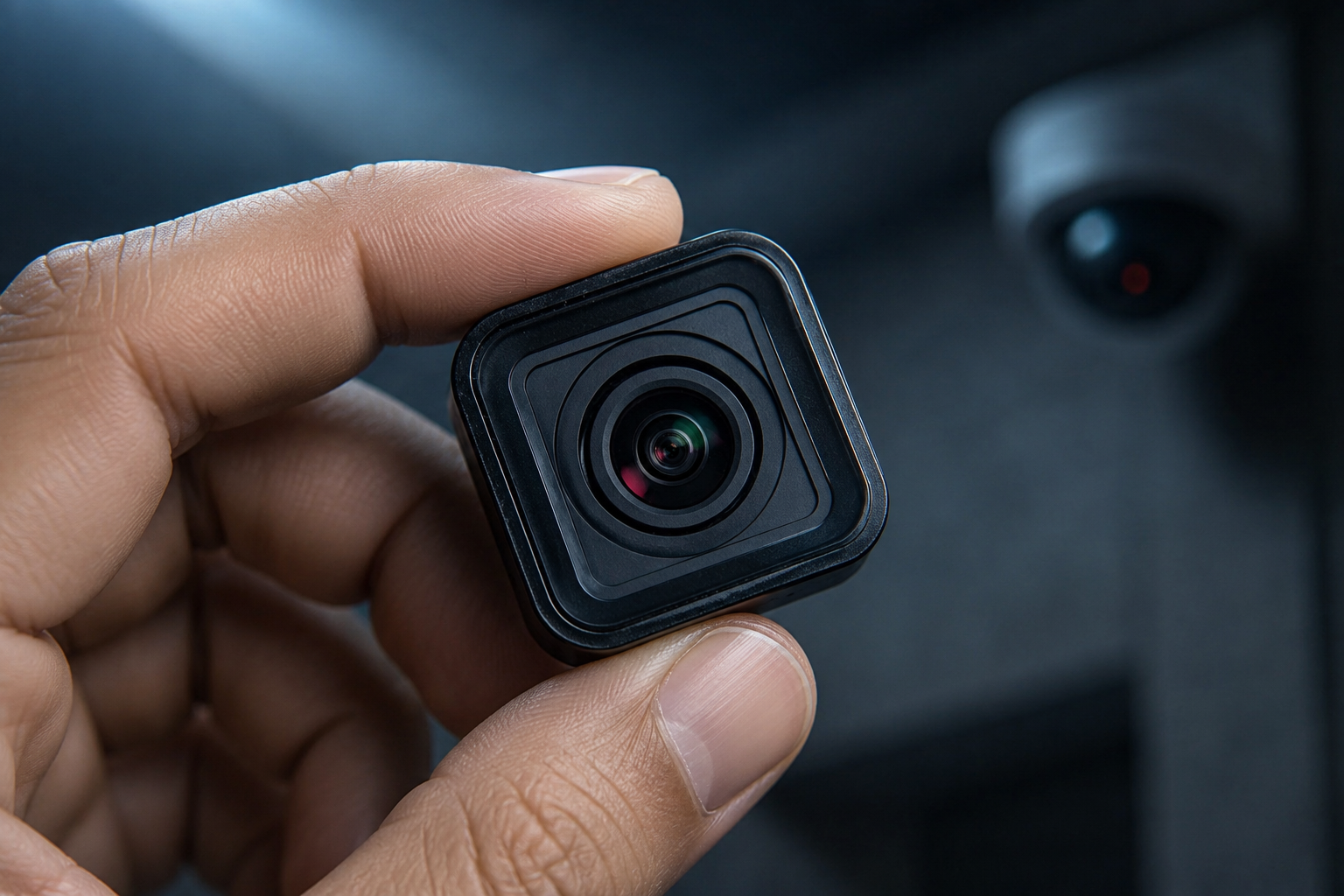
A Nanny Cam Without Monitoring Records Problems It Cannot Stop
TLDR A nanny cam records what happens in your home while you are at work. It does not intervene. It does not alert you in real time. It does not protect your child during the hours nobody is watching the feed. Live nanny cams monitoring puts a trained operator behind your camera so concerns are flagged immediately, not discovered eight hours later on a recording you did not have time to review.
| Nanny Cam Setup | What It Does | The Gap |
| Camera with local storage | Records footage for later review | Parent sees the problem hours or days after it happened |
| Camera with phone app | Sends clips and allows occasional live viewing | Parent checks for 5 minutes during lunch, 475 minutes go unwatched |
| Camera with live monitoring | Trained operator watches in real time | Concerns flagged immediately, parent alerted within minutes |
In March 2023, a mother in New Jersey installed a nanny cam in her living room after her 18-month-old came home with unexplained bruises on two separate occasions. She placed the camera on a bookshelf facing the play area and connected it to her phone.
She checked the app during her lunch break at work. Everything looked normal. She checked again during a 3 p.m. meeting break. The babysitter and the child were in the kitchen, out of frame.
That evening, she sat down and reviewed six hours of footage. She found three separate stretches, each 25-40 minutes long, where the babysitter left the toddler completely unattended in the living room while she was in another room on her phone. During one stretch, the child climbed onto a side table and fell. The babysitter did not come back into the room for another 11 minutes.
The camera recorded every minute of it. The camera did nothing about any of it. The child had been at risk for weeks before the mother found the footage, and the footage only confirmed what had already happened.
That is the gap in nanny cams monitoring that most parents do not see until it is too late. The camera works. The watching does not.
What a Nanny Cam Actually Does By Default
A nanny cam is a camera. It captures video and stores it on a memory card, a local drive, or a cloud server. Some models send motion-triggered clips to a phone app. Some offer a live feed that a parent can pull up on their phone at any time.
None of those functions include watching. The camera records. Nobody watches the recording until the parent gets home, sits down, and scrubs through hours of footage. Most parents do not do that daily. Most do not do it weekly. Most check only when something feels wrong, which means the footage that matters is already hours, days, or weeks old by the time anyone looks at it.
The assumption most parents operate on is that the nanny cam’s presence changes the caregiver’s behavior. For some caregivers, it does. A visible camera in the living room creates awareness that someone might be watching. But that deterrent fades once the caregiver realizes that nobody is actually watching in real time. A camera on a shelf with no indicator light and no live operator behind it becomes background furniture within a few days.
The parent’s guide to picking the right nanny cam focuses on hardware: resolution, field of view, storage, night vision. All of that matters. But the hardware only determines the quality of the recording. It does not determine whether anyone watches that recording before the damage is done.
The 475-Minute Gap That No Parent Can Close Alone
A standard workday runs eight hours. Add a lunch break and commute time and the child is with the caregiver for roughly 9-10 hours. During that window, a parent working a full-time job cannot watch a nanny cam live feed continuously.
The math is simple. A parent checks the app during a 30-minute lunch break and watches for 10 minutes. They check again during a mid-afternoon break and watch for 5 minutes. That is 15 minutes of watching across a 480-minute window. The remaining 465 minutes are completely unmonitored. Every incident that happens during those 465 minutes is caught on footage that nobody reviews until the end of the day, if then.
A nanny cam with live feed capability does not solve this problem. The feed is live. The watching is not. The parent cannot sit in a meeting with one eye on a phone screen for eight hours. They cannot drive to work while watching a live feed. They cannot perform their job while simultaneously monitoring a camera. The laws parents need to know about nanny cams cover placement, consent, and recording rights. None of them address the fundamental problem: who is actually watching?
Remote nanny monitoring through a dedicated service closes the 475-minute gap. A trained operator watches the feed for the full duration of the parent’s absence, not for 15 minutes during lunch. Every minute is covered. Every concern is flagged as it happens.
What Parents Find on the Footage After It Already Happened
The footage parents review at the end of the day or end of the week tells stories that are already finished. The child was left unattended for extended periods. The caregiver was on their phone for hours while the child played alone. The child fell and cried and nobody came for several minutes. The caregiver handled the child roughly during a diaper change.
All of it recorded. None of it stopped.
Family childcare research data shows that the quality of in-home childcare varies significantly and that oversight is a primary factor in maintaining care standards. A camera provides oversight only if someone is behind it. Without live babysitter camera monitoring, the camera provides documentation, not protection.
The emotional cost to the parent who reviews that footage is significant. They see their child in distress on a recording from three days ago. They feel guilt for not checking sooner. They feel anger at the caregiver. They feel helpless because the event is over and the damage, physical or emotional, is done. A live nanny cam service would have caught the moment it started and alerted the parent within minutes, not days.
The Legal Boundaries of Nanny Camera Surveillance
Before installing any hidden camera monitoring system in a home, parents need to understand the legal framework. Recording laws vary by state and by country, and failing to comply can make the footage inadmissible and create legal liability for the parent.
In most US states, video recording in your own home is legal without notifying the caregiver. Audio recording is where the law splits. One-party consent states allow audio recording as long as one person in the conversation (the parent, through the camera) consents. Two-party consent states require all parties to be informed that audio is being recorded. Recording in bathrooms, bedrooms where the caregiver changes, or any area with a reasonable expectation of privacy is illegal in all jurisdictions.
The legal overview of babysitter and nanny camera laws covers state-specific rules in detail. Parents using nanny camera surveillance should review their state’s requirements before placing cameras, especially hidden ones.
If a parent uses footage to terminate a caregiver or pursue legal action, the footage must meet evidentiary standards. That means clear video, verified timestamps, unbroken recording chains, and legal placement. A professionally monitored nanny cam service handles these requirements as part of the monitoring protocol, which means the footage is not just recorded but maintained in a way that holds up if it is ever needed.
What Live Nanny Cams Monitoring Actually Looks Like
Live nanny cams monitoring is not a phone app with a live feed button. It is a trained operator sitting at a monitoring station, watching your camera feed for the full duration of your specified hours, with a defined protocol for what to do when they see a concern.
The operator watches for specific indicators. Is the child unattended for an extended period? Is the caregiver on their phone instead of engaging with the child? Is there rough handling? Is there a safety hazard the caregiver has not noticed? Is the child in visible distress?
When the operator flags a concern, they follow a pre-agreed protocol. They alert the parent immediately via phone call or text. They document the incident with a timestamp and a description. They continue watching to monitor whether the situation resolves or escalates.
That sequence happens in real time. The parent knows about a concern within minutes of it occurring, not hours later when they review footage. The difference between a live video monitoring service and a recorded-only camera is the same difference that applies across every GCCTVMS service: cameras record, operators respond.
Nanny cam investigations are typically triggered after something has already gone wrong. Live monitoring is designed to catch the problem before it reaches the point where an investigation is needed.
Hidden Camera Monitoring vs. Visible Camera Monitoring
Parents face a choice between placing cameras visibly or hiding them. Each approach has trade-offs that affect the quality of the monitoring.
A visible camera creates awareness. The caregiver knows they are being recorded. For most caregivers, this is enough to maintain proper behavior. The deterrent works as long as the caregiver believes someone is watching. When they realize nobody checks the feed until evening, the deterrent weakens.
A hidden camera captures behavior the caregiver would not display on a visible feed. Hidden camera monitoring reveals the caregiver’s true conduct when they believe nobody is watching. The footage is more honest but also more likely to catch something a parent does not want to see.
In both cases, the value of the camera depends on whether someone watches the feed. A visible camera with live childcare camera monitoring maintains the deterrent because the caregiver cannot tell whether an operator is watching right now or not. A hidden camera with live monitoring catches unguarded behavior and flags it immediately instead of letting it continue for days.
The camera monitoring service behind either setup is what converts a recording device into a child safety system. The camera type matters. The watching matters more.
The Cost of Not Monitoring vs. The Cost of Monitoring
Parents who skip live monitoring save the monthly fee. Parents who use live monitoring prevent incidents that a recording-only camera captures but cannot stop.
The cost comparison is not monitoring fee vs. no fee. It is monitoring fee vs. the cost of the incident that was not caught in time. A child injury. A caregiver termination followed by an emergency childcare search. Legal fees if the situation escalates. The emotional toll on the parent and the child.
A nanny surveillance service that watches a camera feed during working hours costs a fraction of any one of those outcomes. The question is not whether nanny cams monitoring costs money. The question is whether the alternative, finding out about a problem eight hours after it started, costs more.
Why GCCTVMS Nanny Cams Monitoring Gives Parents What a Camera Alone Cannot
GCCTVMS provides live nanny cams monitoring with trained operators watching your feed during the hours you specify. When you leave for work, our team starts watching. When you get home, we stop. Every minute in between is covered.
Our operators follow a defined childcare monitoring protocol. They know what to watch for. They know the difference between normal toddler play and a situation that requires parent notification. When they flag a concern, they call or text you immediately with a timestamp and description of what they observed.
Every monitoring session is documented. If you need a record of what happened during a specific day, the report is available with timestamps and operator notes. That documentation supports any conversation you need to have with a caregiver, an agency, or a legal advisor.
We already operate residential surveillance services across the USA, UK, Singapore, and Pakistan. Nanny cams monitoring follows the same model: your cameras, our operators, your defined protocol.
Your nanny cam already records everything. It just needs someone watching the feed who can act when something goes wrong.
Book a free 30-minute call and we will set up a monitoring plan matched to your working hours and your child’s schedule.
Key Takeaways
- A nanny cam without live monitoring records problems but cannot stop them. The parent finds out about incidents hours or days after they happen.
- A working parent can watch a live feed for roughly 15 minutes during an 8-hour workday. The remaining 465-475 minutes are completely unmonitored.
- Nanny cam recording laws vary by state. Audio recording, hidden camera placement, and consent requirements must be checked before installation.
- Live nanny cams monitoring puts a trained operator behind the feed for the full duration of the parent’s absence, flagging concerns in real time.
- The cost of live monitoring is a fraction of the cost of the incident it prevents.
FAQs
What is nanny cams monitoring?
Nanny cams monitoring is a live service where trained operators watch your nanny cam feed in real time during the hours you are away from home. When the operator sees a concern, they alert the parent immediately with a timestamp and description of what they observed. It turns a recording device into a real-time child safety system.
Can I legally install a hidden nanny cam in my home?
In most US states, video recording in your own home is legal without notifying the caregiver. Audio recording laws vary by state. Recording in bathrooms or areas with a reasonable expectation of privacy is illegal everywhere. Check your state’s one-party vs. two-party consent rules before placing any camera that captures audio.
Why can’t I just watch the live feed on my phone?
A live feed app gives you access to the camera. It does not give you the ability to watch it continuously during an 8-hour workday. Most parents check the app for a few minutes during breaks. The remaining hours go unwatched. Live nanny cams monitoring covers every minute because a dedicated operator watches the feed as their job, not as a break-time glance.
What does a nanny cam monitoring operator watch for?
The operator watches for specific indicators including extended periods where the child is left unattended, caregiver distraction (phone use, leaving the room), rough handling, safety hazards the caregiver has not noticed, and visible child distress. The operator follows a pre-agreed protocol and alerts the parent when any of these indicators appear.
How much does live nanny cam monitoring cost?
GCCTVMS nanny cams monitoring is priced at $0.24 per camera per hour for standard residential monitoring. A single camera monitored during an 8-hour workday costs roughly $1.92 per day. That covers a trained operator watching the feed for the full duration with real-time alerts when a concern is flagged.
