




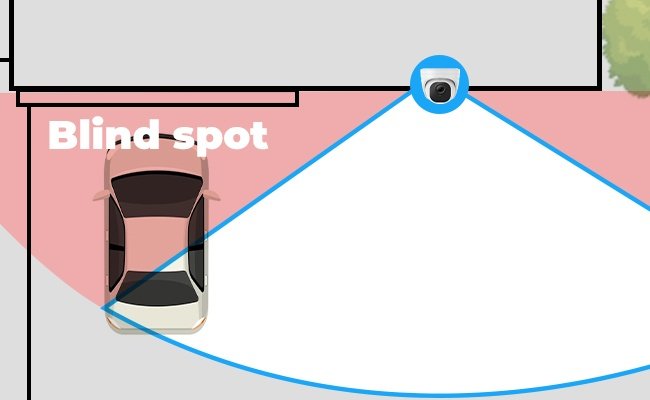
When 20 Cameras Across Multiple Locations Equal Zero Coordinated Coverage
TLDR; Running cameras at multiple locations is not the same as running multi-site security. Each unmonitored location is a separate blind spot. A coordinated theft hits three of your sites the same night and nobody is watching any of them. A break-in at one location goes undetected for hours while attention sits on another. The multi-site blind spot closes only when all your locations feed into a single monitoring center with one team watching everything at once.
| Multi-Site Setup | Coverage Gap | Result |
| 5 locations, local cameras, no monitoring | Each site operates independently | An incident at Site A goes unnoticed while focus is on Site B |
| 10 locations with separate DVRs | Each manager reviews footage manually | Response takes hours, not minutes |
| Franchise chain with 15 units | No cross-location pattern recognition | Coordinated theft across multiple locations goes undetected |
| Multi-site operation with live monitoring | Single team watches all locations at once | Incidents detected and acted on at every location in real time |
On a Thursday night in November 2022, a restaurant franchise owner in Chicago lost $41,000 in a single evening. He had eight locations across the city. Each had cameras. Each had a local DVR. None had anyone watching.
Thieves hit three locations the same night. Location 2 had a back office broken into at 2:47 a.m. Location 5 had a safe opened at 3:15 a.m. Location 8 had a full kitchen equipment theft completed by 3:52 a.m. The cameras at all three locations recorded every minute of it. The managers did not find out until they arrived for the morning shift, hours after every criminal was long gone.
The franchise owner had 20 cameras across his operation. He had zero coverage. Every location was a separate multi-site blind spot, and when the losses added up the next morning, there was no response to coordinate and no crime to interrupt. Everything that could have been stopped had already happened.
What the Multi-Site Blind Spot Actually Is
A multi-site blind spot is not a camera angle problem. It is a coordination problem.
Most multi-location businesses install the same setup at every site. Cameras on the walls. A local DVR or NVR in the back office. Basic cloud backup if the owner is thorough. The hardware works. The recording runs. But each location’s system operates as a separate island with no connection to the others and no one watching any of them in real time.
That setup creates a specific vulnerability that single-location businesses do not face. When an incident happens at one site, the manager there deals with it. Every other location is completely unattended during that window. A criminal who has scouted the operation knows this. They do not hit one location and disappear. They use the distraction at Location 1 to hit Location 3 and Location 7 while all attention is elsewhere.
The fundamentals of multi-site surveillance systems address exactly this pattern. Distributed recording without centralized watching does not produce coverage. It produces documentation spread across multiple locations that nobody reviews until the morning after.
How Each Unmonitored Location Becomes Its Own Blind Spot
The multi-site blind spot compounds with scale. One location with no monitoring is a recording device. Three locations with no monitoring are three separate recording devices, each of which has no awareness of what is happening at the others. Ten locations become ten independent systems producing ten separate footage archives that ten different managers review on ten different schedules.
Nobody is watching any of them in real time. Nobody is comparing what happened at Location 4 to what happened at Location 9 two hours later. Nobody is recognizing that the same vehicle appeared at both locations, or that the same entry method was used across four different sites on four consecutive nights.
That pattern recognition is what simplifying multi-site CCTV is actually about. It is not about better cameras. It is about closing the gap between recording at multiple locations and watching multiple locations, which are two completely different operations.
The multi-site blind spot lives in that gap. And it grows larger with every location added.
The Three Failures That Make Multi-Site Security Break Down
Three specific failures turn a multi-location camera network into a multi-site blind spot. Most franchise and multi-location operations are running all three simultaneously.
Response Is Always Hours Behind the Threat
When a break-in happens at Location 6, the manager at Location 6 finds out the next morning. If that manager is also responsible for Location 11 that day, they may not check Location 11’s footage until the afternoon. The incident at Location 11 that happened the same night is now 12 hours old before anyone looks at it.
An incident that happened 12 hours ago cannot be responded to. The evidence chain has cooled. The criminal is gone. The police report documents a loss that nobody can prevent or recover because the CCTV monitoring services that could have triggered a response were never in place.
Live monitoring changes that timeline from hours to seconds. When an incident occurs, the operator sees it as it happens and acts before the damage is complete. The multi-site blind spot disappears because the gap between incident and response closes entirely.
No Cross-Location Pattern Recognition
A professional theft operation targeting a franchise chain does not hit one location. They hit several, spaced apart in time and geography, because they know no one is coordinating the response across locations.
Location 1 gets hit on a Monday. The manager reports it to the owner. By Thursday, the same crew hits Location 4. The manager at Location 4 does not know about Location 1. The owner finds out on Friday that two locations were hit the same week. By then, the crew has moved on.
A centralized monitoring team watching all locations simultaneously would have seen the connection after the first incident at Location 1. When the same vehicle appeared near Location 4 on Thursday, the operator would have flagged it before the second theft completed. Multi-site security at the operational level is cross-location awareness, not separate cameras at separate sites.
Staff Attention Cannot Scale Across Locations
A manager who is responsible for three locations cannot be at three locations. When something happens at Location 2, Locations 3 and 4 are unstaffed. A staff member watching a single camera monitor at Location 1 cannot see what is happening at Location 7.
Human attention is a single-point resource. The multi-site blind spot is what happens when security coverage is designed around a staffing model that physically cannot cover multiple locations at once. A remote CCTV surveillance team operating from a monitoring center watches all locations simultaneously without any single person needing to be physically present at any of them.
What Coordinated Multi-Location Losses Actually Cost
The loss figures from unmonitored multi-site operations are not random. They follow a pattern that makes the multi-site blind spot one of the most expensive vulnerabilities a growing business carries.
The average commercial burglary loss in the United States runs between $4,000 and $12,000 per incident. For a franchise owner with 10 locations and no centralized monitoring, a coordinated three-site theft in one night produces $12,000 to $36,000 in losses before anyone knows what happened. Multiply that across a year of unmonitored exposure and the number is not a security budget. It is a business liability.
The CCTV surveillance setup that most multi-location businesses run, local cameras at each site with no central watching, costs roughly the same in hardware as a centralized monitored system. The difference is not the price of the equipment. It is the cost of the multi-site blind spot that the unmonitored setup leaves open every night.
Is CCTV monitoring worth it for a multi-site operation? The math runs in one direction. One monitored night prevents a loss that costs more than a month of monitoring fees.
What Centralized Multi-Site Monitoring Actually Looks Like
The fix for the multi-site blind spot is not more cameras at each location. It is one team watching all locations from a single monitoring center.
Managing surveillance across multiple locations without a separate NVR at every site is straightforward when the feeds all route to the same monitoring center. A trained operator watching 10 locations simultaneously sees the same feeds a local DVR would record, but in real time with a response protocol attached.
When an incident occurs at any location, the operator follows the same sequence. Confirm the threat. Trigger an audio deterrent through on-site speakers. Contact police. Notify the on-site emergency contact. Document the incident with timestamps. Every location gets the same response in the same timeframe, regardless of whether it is 3 a.m. on a weekday or a busy Saturday afternoon.
Designing multi-site surveillance at scale starts from centralized monitoring as the foundation, not as an add-on. The camera hardware at each location is the input. The monitoring center is where coverage actually happens.
How Virtual Doorman Services Close the Multi-Site Access Control Gap
For multi-location operations that also manage visitor access, deliveries, and contractor entry across sites, the multi-site blind spot extends beyond just CCTV. An access control system that is managed locally at each site has the same coordination problem as a locally managed camera system.
A person who is denied entry at Location 1 can walk to Location 3 and try again. If the doorman at Location 1 and the doorman at Location 3 are different people with no shared information, the same individual gets two independent chances to access your property.
Virtual doorman services run from a centralized team solve this. One team manages access across all your locations. A denial at Location 1 flags that individual across the entire network. If they appear at Location 3, the same team that denied them at Location 1 is already watching.
Remote CCTV monitoring services and virtual doorman services together close both the surveillance gap and the access control gap that multi-site operations carry. That combination is the actual coverage a 20-camera network needs to become a functioning multi-site security system.
Why GCCTVMS Closes the Multi-Site Blind Spot
GCCTVMS provides 24/7 surveillance monitoring across all your locations from a single team. Whether you run 3 sites or 30, every camera feeds into the same live view and the same operators watch all of them simultaneously.
Our team recognizes patterns across locations. When a vehicle appears at Location 2 at 2 a.m. and then at Location 7 at 3:30 a.m., we connect those events before the second incident completes. No individual location manager reviewing footage the next morning would catch that connection. A centralized team watching in real time catches it while it is still happening.
Every incident generates a documented response report with timestamps, operator notes, and camera references for every location involved. When a coordinated theft targets multiple sites, the insurer gets one complete evidence package covering every location, not seven separate managers filing seven separate reports with seven separate footage clips.
We also handle multi-site remote guarding solutions that scale across your locations without requiring on-site staff at each one. The live security monitoring team covers every site with the same response capability, and the cost scales with your camera count, not your location count.
The professional monitoring solutions that actually work for multi-site operations are the ones that eliminate the blind spot between locations, not the ones that add more hardware to each site independently.
You already have cameras at every location. The multi-site blind spot closes when one team watches all of them at the same time.
Book a free 30-minute call and we will map your locations against a centralized monitoring plan and show you exactly what the coverage looks like across your entire operation.
Key Takeaways
- A multi-site blind spot is a coordination problem, not a camera problem. Multiple unmonitored locations create multiple independent blind spots with no cross-location response.
- A coordinated theft targeting multiple franchise locations in one night goes undetected until morning if no one is watching in real time.
- Response time from a local manager reviewing footage is measured in hours. Response time from a centralized monitoring team is measured in seconds.
- Virtual doorman services close the access control gap that local doorman setups leave open across multiple locations.
- Centralized monitoring costs roughly the same as distributed local setups but eliminates the multi-site blind spot entirely.
About the Author
By M. Huzaifa Rizwan
Content Writer │ SEO Executive │ Ads Expert
I write about CCTV monitoring, remote surveillance, and business security at GCCTVMS. My work covers SEO content production, ad strategy, and marketing operations across the USA, UK, Singapore, and Pakistan. Outside of GCCTVMS, I write on tech and lifestyle topics for TechSurges, Medium, and Substack.
FAQ’s
What is a multi-site blind spot in security monitoring?
A multi-site blind spot is the coverage gap created when multiple locations have camera systems that record independently with no central team watching them in real time. Each location’s footage exists but nobody coordinates the response across all sites simultaneously. A coordinated theft can hit multiple locations the same night while attention is on a single incident.
Why do businesses with multiple locations still have security blind spots?
Because having cameras at each location is not the same as having coverage across all locations. Most multi-site setups store footage locally at each site and rely on individual managers to review it after something happens. That reactive model means incidents go undetected for hours and cross-location patterns are never recognized.
How does centralized CCTV monitoring fix the multi-site blind spot?
Centralized monitoring routes all location feeds to a single team of operators who watch every site simultaneously. When an incident occurs at any location, the response is immediate and follows the same protocol regardless of the time or location. The team also tracks patterns across all sites, which catches coordinated activity that individual managers reviewing separate footage would miss.
Can remote CCTV monitoring services cover multiple locations without new cameras?
Yes. Remote CCTV monitoring services connect to existing camera feeds at each location. The cameras already installed continue to function as they do, but the footage feeds into a central monitoring center instead of recording only to a local DVR. The hardware upgrade is minimal. The coverage improvement is significant.
What is the difference between multi-site monitoring and having a camera at each location?
A camera at each location records footage. Multi-site monitoring provides a live response across all locations at the same time. The camera captures what happens. The monitoring team stops what is happening. Recording and coverage are two different functions, and the multi-site blind spot exists when only the recording function is in place.
