


Apartment Doorman Explained: The Real Reason Buildings Claim They’re Safer
Table of Contents
ToggleA woman toured two apartments in the same Manhattan neighborhood last month. Both had similar square footage, updated kitchens, and comparable views. The rent differed by $350 monthly. The more expensive apartment had something the other lacked: an apartment doorman stationed in the lobby.
During her visit to the doorman building, she noticed packages stacked neatly behind the front desk rather than scattered in an open mailroom. A delivery driver arrived while she waited, and the doorman verified the address before allowing entry. When she returned for a second look, the doorman greeted her by name and called up to the leasing office without being asked.
The other building had a buzzer system and security cameras. Packages sat in an unlocked vestibule. Anyone could enter behind a resident without question.
She asked herself the question thousands of apartment hunters, building owners, and condo boards ask: Is an apartment doorman worth the extra cost? Do doorman buildings actually offer better security, or do they simply provide expensive peace of mind?
This guide explains what apartment doorman services actually include, examines the security claims buildings make, and helps property decision-makers evaluate whether doorman services fit their needs.
What Is an Apartment Doorman?
An apartment doorman is a building staff member stationed at residential entrances to manage visitor access, assist residents, and monitor building security. The role combines hospitality service with security functions—a distinction that separates doormen from security guards who focus solely on protection.
According to Apartment Guide’s explanation of doorman services, the doorman tradition dates back over a century in urban residential buildings. What began as a luxury amenity in high-end apartment buildings has become a standard expectation in many urban rental markets.
The apartment doorman role extends far beyond opening doors despite what the job title suggests. Professional doormen manage building access, coordinate deliveries, assist residents with daily needs, and serve as the first point of contact for anyone entering the property. They know residents by name, remember guest preferences, and understand building operations thoroughly.
The Apartment Doorman Role Beyond Opening Doors
Many people assume doormen simply stand at entrances waiting to open doors. This misconception undervalues a position requiring multiple skills and constant attention. A professional apartment doorman juggles security monitoring, customer service, logistics coordination, and emergency response throughout every shift.
Doorman positions typically require training in customer service, security procedures, and emergency protocols. According to Mainsitx’s detailed breakdown of doorman duties, professional doormen undergo training covering visitor management, package handling, emergency response, and resident communication. Many buildings require background checks and references before hiring.
Typical doorman schedules divide into three shifts covering morning, afternoon, and overnight hours. Full 24/7 coverage requires multiple doormen rotating through shifts—a staffing requirement that significantly impacts building budgets.
What Does an Apartment Doorman Actually Do?
Understanding specific doorman duties helps property owners and renters evaluate whether services justify costs. The apartment doorman role encompasses several distinct functions performed continuously throughout each shift.
Visitor Screening and Access Control
Visitor management represents the primary security function of any apartment doorman. When someone approaches the building entrance, the doorman asks their identity and purpose before allowing entry. Guests must provide names and destination apartments. The doorman then contacts residents to confirm visitor authorization.
This screening process prevents unauthorized persons from entering the building. Solicitors, salespeople, and unknown individuals cannot simply walk through lobbies unchallenged. Every visitor interaction gets logged, creating accountability records useful for investigations when incidents occur.
The doorman denies entry to anyone lacking proper authorization—politely but firmly. This gatekeeping function represents the core security value that buildings cite when claiming that doormen make residents safer.
Package and Delivery Management
Package theft from apartment lobbies costs residents and buildings significantly each year. The apartment doorman addresses this problem by receiving deliveries on behalf of residents. Packages get stored securely behind the front desk rather than sitting unattended in vestibules or mailrooms.
When deliveries arrive, doormen verify courier credentials and package addresses. They sign for items requiring signatures. They notify residents when packages arrive so items don’t sit unclaimed for days. For large deliveries—furniture, appliances, moving shipments—doormen coordinate timing, elevator access, and building rule compliance.
This package management function delivers measurable value. Residents in doorman buildings rarely experience package theft compared to buildings where deliveries sit unattended in common areas.
Resident Assistance and Building Knowledge
Beyond security, apartment doorman services include daily assistance that improves resident experience. Doormen help with groceries and luggage. They assist elderly residents and those with mobility challenges. They answer questions about building services, local recommendations, and neighborhood information.
Long-tenured doormen accumulate extensive building knowledge. They know which maintenance issues recur, which vendors perform reliably, and which building systems need attention. This institutional knowledge supports property management and helps new residents acclimate quickly.
Doormen also manage logistics for resident events—coordinating guest lists for parties, arranging delivery access for caterers, and ensuring building rules get followed during gatherings.
Emergency Response Coordination
During emergencies, the apartment doorman serves as a first responder and a communication hub. Doormen monitor buildings for fire alarms, medical incidents, and security threats. When emergencies occur, they contact appropriate services immediately—fire departments, ambulances, or police depending on the situation.
Doormen guide emergency responders to correct locations within buildings, saving critical response time. They communicate with residents about evacuations, shelter procedures, or ongoing incidents. After emergencies are resolved, they document details supporting insurance claims and management records.
This emergency coordination function operates constantly in the background. Residents may never witness their doorman handling an emergency, but the capability exists whenever needed.
The Security Functions That Make Apartment Doorman Buildings Safer
Building owners and management companies frequently claim that apartment doorman services improve safety. Understanding specific security functions helps evaluate these claims objectively.
Deterrence Through Visible Presence
Criminal activity decreases when would-be offenders encounter staffed entrances. According to BOS Security’s analysis of virtual doorman benefits, visible security presence deters crime before incidents occur. Intruders seeking easy targets avoid buildings where someone monitors entrances and questions unfamiliar faces.
This deterrence effect proves difficult to measure directly—crimes that don’t happen leave no statistics. However, security professionals consistently cite visible presence as a primary crime prevention strategy. Buildings advertising apartment doorman services signal that someone watches the entrances continuously.
Controlled Access Points
During staffed hours, the apartment doorman funnel all traffic through monitored entrances. Side doors remain locked. Service entrances get supervised. Every person entering must pass doorman screening.
This controlled access prevents “tailgating”—the security vulnerability where unauthorized persons follow residents through doors without verification. In buildings without doormen, anyone can walk in behind a resident entering with packages or children. Doorman screening eliminates this common access vulnerability.
The doorman becomes the single point where access decisions happen. Consistent screening standards apply to everyone regardless of appearance or claimed purpose.
Real-Time Threat Assessment
Professional apartment doorman staff train to recognize suspicious behavior and respond appropriately. Unusual activity triggers attention—people lingering without purpose, visitors who seem unfamiliar with residents they claim to visit, or individuals exhibiting concerning behavior.
Doormen exercise judgment about access decisions continuously. They notice patterns that might escape camera-only surveillance. A person who appears multiple times without a legitimate purpose gets questioned. Someone attempting entry with implausible explanations gets denied access.
This human judgment represents a security advantage that cameras alone cannot provide.Understanding how virtual doorman work shows how remote monitoring attempts to replicate this judgment through trained operators.
Documentation and Accountability
Every visitor interaction at apartment doorman buildings creates documentation. Logs record who entered, when, and which resident authorized access. Video surveillance captures visual records. This documentation supports investigations when incidents occur.
If theft, assault, or property damage happens, doorman logs help identify suspects and establish timelines. Police investigations benefit from organized records rather than scattered camera footage without context. Insurance claims get supported by professional documentation.
This accountability function protects buildings legally while supporting residents seeking recourse after incidents.
Do Doorman Condo and Apartment Buildings Actually Have Less Crime?
Property owners and condo boards deserve honest assessment of safety claims. Marketing materials suggest doorman buildings offer superior security, but does evidence support these claims?
What Available Evidence Shows
Direct crime comparison between doorman and non-doorman buildings proves challenging. Variables like neighborhood, building size, and resident demographics affect crime rates independently of doorman presence. Doorman buildings often exist in neighborhoods with lower baseline crime rates, complicating comparisons.
However, certain crime categories show measurable differences. According to Apartment Ratings’ research on doorman benefits, package theft drops dramatically in doorman buildings compared to unattended lobbies. Unauthorized entry incidents decrease when someone screens every visitor. Solicitation complaints virtually disappear when doormen turn away salespeople.
Insurance companies sometimes offer premium reductions for doorman condo buildings, suggesting that actuarial data supports safety claims. Buildings with professional door staff present lower risk profiles than comparable unstaffed properties.
The Limitations of Safety Claims
Honest assessment requires acknowledging what doorman services cannot prevent. Crimes committed by authorized visitors—domestic incidents, theft by guests residents allowed inside—happen regardless of doorman presence. Doormen cannot monitor activity inside apartments.
Doorman buildings in high-crime neighborhoods may still experience more incidents than non-doorman buildings in safer areas. The doorman adds security within the context but cannot overcome neighborhood-level factors entirely.
Buildings should avoid overpromising security guarantees. Apartment doorman services reduce specific risks and deter opportunistic crime. They don’t create impenetrable fortresses or eliminate all security concerns.
What Doormen Actually Prevent
Focusing on specific, measurable prevention clarifies realistic expectations:
Package theft virtually disappears when doormen receive and secure deliveries. This benefit alone justifies the costs for buildings with frequent theft.
Unauthorized building access decreases significantly. People cannot wander through doorman buildings without a legitimate purpose and resident authorization.
Solicitors, scammers, and salespeople get screened out. Residents don’t face unwanted knocks or pressure tactics in their homes.
Suspicious activity gets noticed and reported. Doormen identify concerning patterns before they escalate into incidents.
Types of Doorman Services for Apartment Rentals and Condo Buildings
Multiple doorman service options exist for different property types and budgets. Understanding options helps building owners and rental property investors make informed decisions.
Traditional Full-Time Apartment Doorman
Traditional staffing places doormen on-site continuously. Three shifts cover 24 hours daily. Multiple employees rotate through positions, providing coverage during vacations, sick days, and holidays.
This approach delivers the most comprehensive service but carries the highest costs. Luxury apartment rentals and high-end doorman condo developments typically use traditional staffing to match resident expectations. Annual costs reach $200,000-$400,000 including salaries, benefits, payroll taxes, and management overhead.
Traditional staffing suits buildings where residents expect premium service and budgets support substantial investment. Comparing top remote doorman services shows how alternatives have emerged addressing cost concerns.
Part-Time Doorman Coverage
Some buildings have staff doormen during peak hours only—typically 7 AM to 11 PM. Overnight coverage comes from security cameras, locked entrances, and resident vigilance. This approach reduces costs while maintaining doorman presence during the highest-traffic periods.
Part-time coverage suits mid-range rental property buildings wanting doorman benefits without full-time expense. Residents accept overnight gaps in exchange for lower rent or condo fees.
The trade-off involves overnight vulnerability. Late-night deliveries, after-hours guests, and overnight emergencies lacks doorman response. Buildings using part-time coverage should ensure alternative security measures address overnight gaps.
Virtual Doorman Services
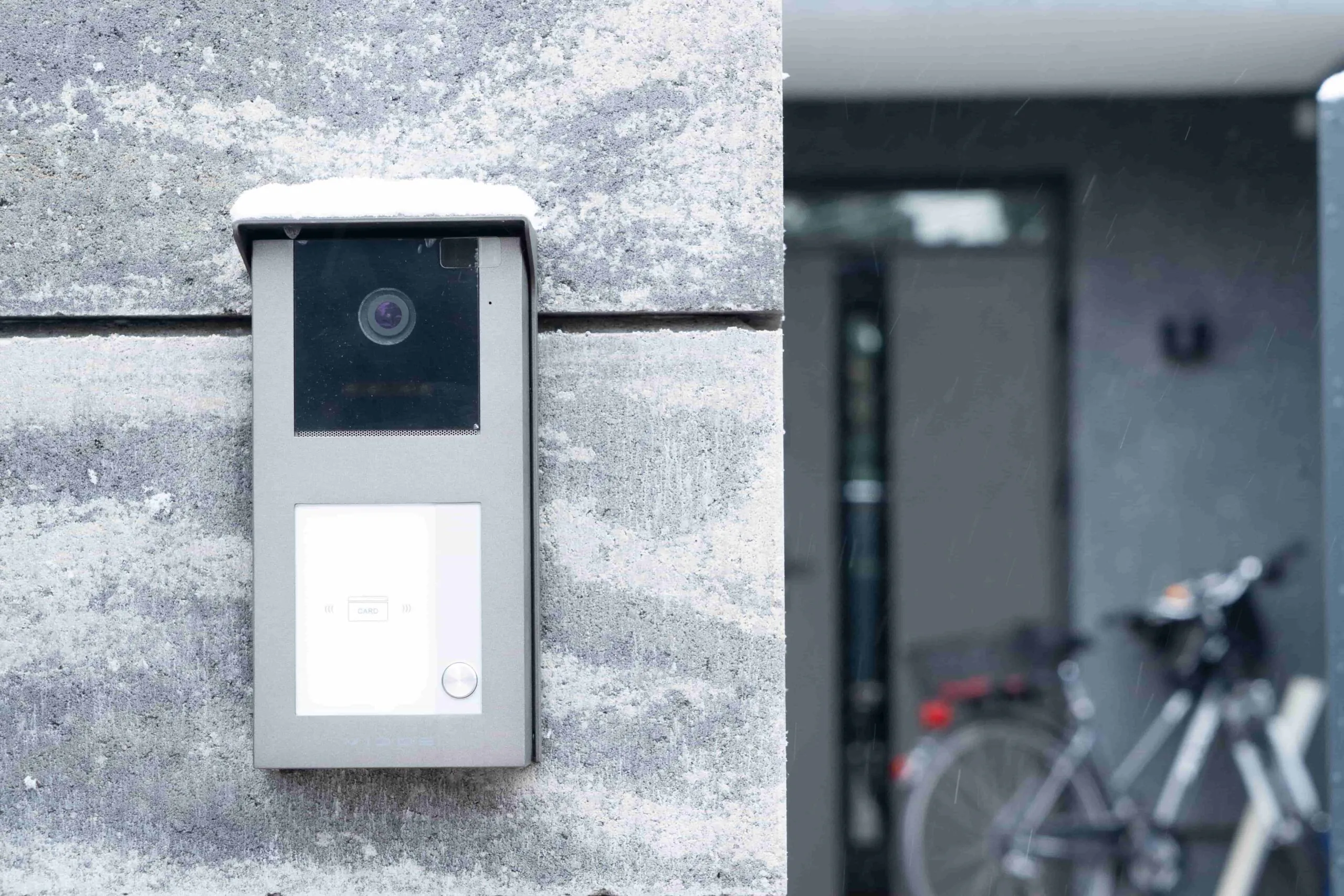
Technology now enables apartment doorman functions through remote monitoring. Video intercoms at entrances connect to professional operators at centralized monitoring centers. When visitors arrive, operators respond within seconds via two-way audio, verify identity visually, contact residents for authorization, and unlock doors remotely.
According to Swiftlane’s comprehensive provider guide, virtual doorman services deliver equivalent security functions at 70-85% lower cost than traditional staffing. Monthly costs run $50-$200 per unit rather than $200,000+ annually for full-time staff.
Virtual doorman services provide 24/7 coverage without staffing multiple positions. Single operators monitor multiple properties simultaneously, creating efficiency that traditional staffing cannot match. Choosing the best virtual doorman provider requires evaluating response times, technology platforms, and operator training.
Concierge Services
Concierge positions emphasize resident service over security functions. Concierges arrange reservations, accept packages, coordinate services, and assist with daily needs. Security duties exist but remain secondary.
New apartments and luxury developments often include concierge services as amenity packages. The role overlaps with apartment doorman functions but prioritizes hospitality over access control. Buildings using concierge services typically add separate security measures addressing access management.
How Doorman Services Affect Apartment Rentals and Rental Listings
Property owners evaluating doorman services want to understand the market impact. Does doorman availability affect rental rates, occupancy, and property values?
Rental Premium for Doorman Buildings
Market data consistently shows apartment rentals in doorman buildings command premium rents. Typical premiums range 5-15% above comparable non-doorman units depending on market and property class. In competitive urban markets, this premium often exceeds doorman service costs when distributed across units.
Doorman buildings also experience higher occupancy rates. Tenants value security and convenience enough to prioritize doorman availability when choosing apartments. Vacancy periods shorten. Lease renewals increase. These factors compound financial benefits beyond direct rent premiums.
New apartments with doorman services lease faster during initial rent-up periods. Marketing advantage accelerates occupancy, reducing carrying costs during critical early months.
Rental Listings and Marketing Advantages
Rental listings prominently feature doorman availability. Major apartment search platforms include “doorman building” as a filterable criterion. Renters actively searching for doorman apartments find buildings meeting this criterion; non-doorman buildings don’t appear in filtered results.
This visibility advantage matters in competitive rental property markets. Rental listings emphasizing doorman services differentiate from comparable properties lacking this amenity. Marketing materials highlight the security and convenience benefits doormen provide.
Buildings without doorman services compete at disadvantage for tenants prioritizing security. Understanding whether your market values doorman availability helps inform service decisions.
Property Value Implications for Condo with Doorman
Sales data for condo with doorman units shows price premiums similar to rental differentials. Buyers pay more for doorman condo units than comparable non-doorman properties. This premium reflects both security value and lifestyle convenience buyers seek.
HOA fees in doorman buildings run higher covering staffing costs. However, buyers accept higher fees when perceiving commensurate value. Well-managed doorman condo buildings maintain resale values and attract qualified buyers.
Long-term property value protection comes from maintaining desirable amenities. Buildings removing doorman services risk value decline as buyer expectations evolve. Exploring industries served by doorman services shows how different property types implement access management.
What Does an Apartment Doorman Cost?
Cost analysis helps property owners and condo boards evaluate doorman service feasibility. Understanding full cost structures enables informed budget decisions.
Traditional Doorman Staffing Costs
Individual doorman salaries range from $35,000 to $60,000 annually depending on market and experience. Benefits, payroll taxes, workers compensation, and insurance add 25-40% to base salary costs. A single doorman position costs $45,000-$85,000 annually when fully loaded.
Full 24/7 coverage requires approximately 4.5-5 full-time equivalent positions accounting for shifts, weekends, holidays, vacations, and sick coverage. Total annual cost reaches $200,000-$400,000 for comprehensive traditional staffing.
Additional costs include uniforms, training, management oversight, and coverage gaps requiring temporary staffing. Buildings underestimate true costs when budgeting only base salaries.
Virtual Doorman Cost Comparison
Virtual doorman services cost $50-$200 per unit monthly depending on building size and service level. A 50-unit building pays $2,500-$10,000 monthly ($30,000-$120,000 annually) for comprehensive 24/7 coverage.
This represents 70-85% savings versus traditional staffing while providing equivalent security functions. Comparing affordable remote doorman firms helps identify cost-effective options for budget-conscious properties.
Virtual doorman costs include technology support, operator staffing, system maintenance, and software updates. No additional expenses for benefits, sick days, or vacation coverage that traditional staffing requires.
Cost-Benefit Considerations
Rental premium capture helps offset doorman costs. If doorman services enable $100 monthly rent premium across 50 units, annual revenue increases $60,000—potentially covering virtual doorman services entirely.
Reduced theft and incident costs provide additional return. Buildings experiencing frequent package theft or unauthorized entry incidents may see rapid payback from doorman services preventing these problems.
Insurance premium reductions for doorman buildings add further financial benefit. Consult insurers about potential savings when evaluating doorman service investments.
Deciding Whether Your Rental Property Needs Doorman Services
Not every building benefits equally from apartment doorman services. Evaluating property-specific factors helps determine appropriate service levels.
Buildings Where Doorman Services Make Sense
High-rise apartment buildings with significant daily traffic benefit most from doorman services. Large visitor volumes require consistent screening that door staff provide efficiently.
Luxury rental property targeting premium tenants needs doorman services matching resident expectations. These tenants pay for convenience and security; lacking doorman services loses competitive positioning.
Buildings in competitive urban markets where comparable properties offer doorman services need equivalent amenities to attract quality tenants. Market expectations sometimes require doorman investment regardless of individual property preference.
Properties with security incident history benefit from doorman services addressing specific vulnerabilities. Buildings experiencing theft, unauthorized entry, or resident safety concerns find doorman services directly responsive.
Alternatives for Budget-Conscious Properties
Virtual doorman services deliver comprehensive security at a fraction of traditional costs. Who provides virtual doorman services for businesses shows options serving various property types and budgets.
Part-time doorman coverage during peak hours provides presence when most needed while reducing overnight staffing costs.
Enhanced access control systems—key fobs, video intercoms, secure package lockers—address specific security concerns without full doorman investment. These measures work independently or complement part-time staffing.
Security camera monitoring services provide oversight without on-site personnel. GCCTVMS service offerings include monitoring options for properties wanting security without doorman services.
Questions to Ask Before Deciding
What specific security concerns exist currently? Doorman services address access control, package management, and visitor screening. Other concerns may require different solutions.
What do competing properties in your market offer? Tenant expectations vary by market. Research comparable buildings to understand competitive requirements.
What budget can the property support? Traditional doorman costs exceed virtual alternatives by 70-85%. Budget constraints may determine service type more than preference.
What do current residents or prospective tenants expect? Survey residents about security priorities. Understand what tenants value before investing.
Making the Right Doorman Decision for Your Building
An apartment doorman provides visitor screening, package management, resident assistance, and emergency response—functions that reasonably support building safety claims. Evidence shows doorman services prevent specific crime categories, particularly package theft and unauthorized access, while deterring opportunistic incidents through visible presence.
However, doorman services represent significant investment. Traditional staffing costs $200,000-$400,000 annually. Property owners must weigh costs against benefits for their specific situations. Not every building needs doorman services; some properties thrive without them.
Virtual doorman technology offers middle ground—comprehensive security functions at 70-85% lower cost than traditional staffing. Buildings wanting doorman benefits without traditional expense increasingly adopt virtual alternatives.
GCCTVMS provides professional virtual doorman services delivering sub-20-second response times, trained operators, and 24/7 coverage. Properties experience equivalent security functions without $200,000+ annual staffing costs.
Book a Free Consultation to discuss whether apartment doorman services—traditional or virtual—fit your property needs. Contact our team for customized proposals addressing your specific building requirements.
FAQ’s
What is an apartment doorman?
An apartment doorman is a building staff member stationed at residential entrances to manage visitor access, screen guests, receive packages, assist residents, and monitor building security. The role combines hospitality service with access control functions.
What is the safest floor to live on in an apartment?
Middle floors (3rd-6th) are often considered the safest floor to live on in an apartment. Ground floors face easier access for break-ins, while top floors have fire-escape concerns. Apartment doorman buildings add security regardless of floor level.
What powers do virtual doormen have?
Virtual doormen can grant or deny building access remotely, verify visitors’ identities using camera feeds, contact residents for authorization, unlock doors electronically, coordinate emergency responses, and document all entry interactions for security records.
How do I make my apartment safer?
To make my apartment safer: choose buildings with doorman services, install quality locks, use video doorbells, secure windows, avoid displaying valuables, get to know neighbors, and consider virtual doorman services for 24/7 monitoring and visitor screening.
What are the duties of a virtual doorman?
Virtual doorman duties include visitor screening via video intercom, remote access control, package delivery coordination, resident notification, emergency response coordination, incident documentation, and 24/7 building monitoring from centralized centers.
How to keep your apartment safe from burglars?
Keep your apartment safe from burglars by living in doorman buildings, reinforcing entry points, installing security cameras, using smart locks, keeping entrances well-lit, and choosing apartment rentals with controlled access and visitor screening.
How to tell if your apartment is making you sick?
Your apartment may be making you sick if you experience symptoms improving when away. Check for mold, poor ventilation, pest issues, or water damage. While unrelated to doorman services, building maintenance quality affects both security and health.
What is it like being a virtual doorman?
Being a virtual doorman involves monitoring multiple building entrances remotely, responding to visitor calls within seconds, verifying identities through cameras, coordinating with residents, handling emergencies, and maintaining security logs from centralized monitoring centers.
How much does an apartment doorman cost?
A traditional apartment doorman costs $200,000-$400,000 annually for 24/7 coverage, including salaries and benefits. Virtual doorman services cost $50-$200 per unit monthly, delivering 70-85% savings while providing equivalent doorman condo security functions.
Do doorman condo buildings have less crime?
Doorman condo buildings typically experience less package theft and unauthorized entry compared to non-doorman buildings. While overall crime rates depend on location, the controlled access and visitor screening that doorman services provide measurably reduce specific security incidents.
